Paresh Rawal urges Devendra Fadnavis to protect IAS officer Tukaram Mundhe
Synopsis
Paresh Rawal's public appeal to CM Devendra Fadnavis to protect IAS officer Tukaram Mundhe is more than a celebrity tweet — it is a signal that Maharashtra's most aggressive food-safety enforcer may be facing the classic bureaucratic punishment of a transfer. With 195 raids, 192 arrests, a synthetic-milk crackdown, and a school junk-food ban all in under three months, Mundhe has made powerful enemies. Fadnavis's response — or silence — will reveal how serious the state is about its own enforcement drive.
Key Takeaways
Actor Paresh Rawal publicly urged Maharashtra CM Devendra Fadnavis on 9 August to prevent the transfer of FDA Commissioner Tukaram Mundhe .
Mundhe has served as Maharashtra FDA Commissioner since May 2026 , leading a sweeping food-safety crackdown.
His team conducted 195 raids in five days in early June, making 192 arrests and seizing banned gutkha and pan masala worth ₹1.99 crore .
Maharashtra banned the manufacture and sale of artificial cheese under his watch.
A 29 July directive bans HFSS junk food within 50 metres of all schools across Maharashtra.
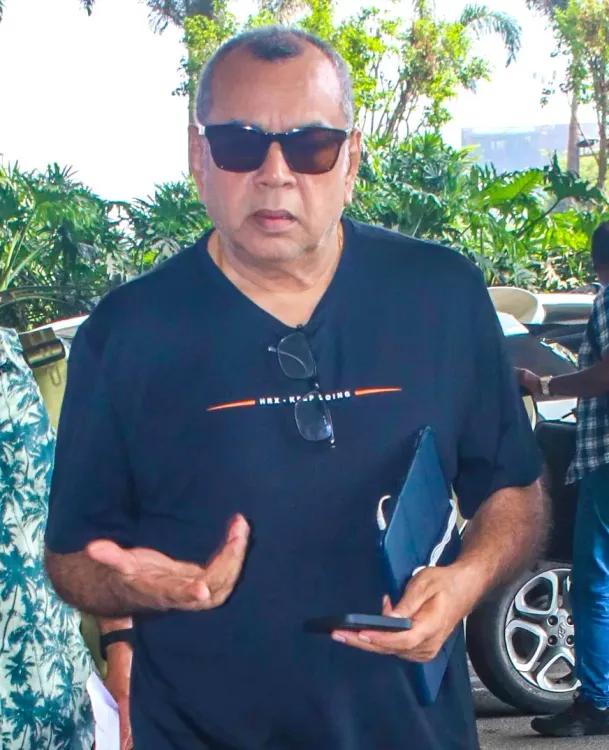
Veteran actor Paresh Rawal has publicly urged Maharashtra Chief Minister Devendra Fadnavis to shield IAS officer Tukaram Mundhe, the state's Food and Drug Administration (FDA) Commissioner, from a potential transfer. The appeal, made on 9 August via X, comes as Mundhe's aggressive food-safety campaign draws both public praise and, reportedly, political heat.
What Paresh Rawal Said
Taking to his X account on Sunday, Rawal wrote: 'To put it with humility and respect that it should the priority and Dharm of Honourable CM @Dev_Fadnavis ji to protect Shri @Tukaram_IndIAS that he should not be xfered or shunted out of his department.' The post signals growing public concern that Mundhe's crackdown may have unsettled vested interests, putting his posting at risk.
Mundhe's Record Since May 2026
Since assuming charge as Maharashtra FDA Commissioner in May 2026, Tukaram Mundhe has overseen a sweeping statewide food-safety offensive. His tenure has been marked by raids on adulteration networks, action against unhygienic establishments, and strict scrutiny across the supply chain. Synthetic milk units have been uncovered, and dairies, distributors, and retailers have faced tighter oversight. The FDA has also moved against eateries and manufacturers violating safety norms, and Maharashtra has banned the manufacture and sale of artificial cheese, with strict action promised against products misrepresented as dairy paneer.
Key Crackdown Numbers
In a concentrated early-June operation, Mundhe's team conducted 195 raids in five days, resulting in 192 arrests and the seizure of banned gutkha and pan masala worth approximately ₹1.99 crore, according to the Maharashtra FDA. The scale and speed of the operation drew wide attention and positioned Mundhe as one of the state's most visible enforcement officers.
School Junk Food Ban
Most recently, Mundhe ordered a statewide crackdown on junk food in and around schools. A 29 July directive bans the sale, advertisement, and free distribution of high-fat, sugar, and salt (HFSS) foods within school premises and a 50-metre radius. The restrictions cover chips, soft drinks, chocolates, fried snacks, and other ultra-processed foods, and apply to government, aided, and private schools across Maharashtra. School canteens and food suppliers are required to hold valid food-safety licences, while schools have been asked to promote nutritious options including fruits, pulses, milk, vegetables, and whole grains.
Why This Matters
Rawal's intervention reflects a broader pattern in Indian public life where civil servants who pursue aggressive enforcement face transfer threats — often the bureaucratic equivalent of a political rebuke. Mundhe himself has a well-documented history of such pressures across previous postings. The public appeal by a prominent figure adds reputational cost to any move against the officer and puts Chief Minister Fadnavis on notice. Whether the government responds — or stays silent — will signal how much political cover Maharashtra's food-safety push actually has.
Point of View
No public intervention would be needed. The fact that a prominent public figure felt compelled to lobby the Chief Minister on X suggests that transfer pressure is real — and that it is coming from quarters with something to lose from rigorous food-safety enforcement. Maharashtra has a long history of transferring inconvenient officers; Mundhe himself is no stranger to that cycle. The test for Fadnavis is whether his government's food-safety messaging is backed by institutional protection for the officer delivering it, or whether enforcement is tolerated only until it becomes politically inconvenient.
NationPress
10 Aug 2026
Frequently Asked Questions
Why did Paresh Rawal appeal to CM Devendra Fadnavis for Tukaram Mundhe?
Paresh Rawal urged Chief Minister Devendra Fadnavis to ensure that IAS officer Tukaram Mundhe is not transferred or removed from his post as Maharashtra FDA Commissioner. The appeal, posted on X on 9 August, comes amid reports that Mundhe's aggressive food-safety crackdown may have unsettled vested interests.
Who is Tukaram Mundhe and what has he done as FDA Commissioner?
Tukaram Mundhe is an IAS officer serving as Commissioner of Maharashtra's Food and Drug Administration since May 2026. He has led a statewide crackdown on food adulteration, conducted 195 raids in five days, secured 192 arrests, and ordered a ban on junk food near schools.
What was the outcome of Mundhe's early-June crackdown?
The early-June operation saw 195 raids conducted over five days, resulting in 192 arrests and the seizure of banned gutkha and pan masala worth approximately ₹1.99 crore, according to the Maharashtra FDA.
What is the school junk food ban ordered by Mundhe?
A directive issued on 29 July bans the sale, advertisement, and free distribution of high-fat, sugar, and salt (HFSS) foods within school premises and a 50-metre radius across all government, aided, and private schools in Maharashtra. Products covered include chips, soft drinks, chocolates, and fried snacks.
What action did Maharashtra take on artificial cheese?
Maharashtra banned the manufacture and sale of artificial cheese under Mundhe's tenure, with strict action promised against products misrepresented as dairy paneer. The move was part of a broader crackdown on dairy adulteration across the state.