What Did Prahlad Kakkar Say in Response to Vishal Dadlani’s Sarcastic Parliament Remarks?
Click to start listening
Synopsis
In a recent exchange, director Prahlad Kakkar responded to music composer Vishal Dadlani’s critical remarks about the lengthy Parliamentary debate on ‘Vande Mataram’. Kakkar's insightful comments shed light on the role of politicians amidst pressing national issues, igniting a conversation about governance and patriotism.
Key Takeaways
- Prahad Kakkar emphasizes the essence of leadership beyond political theatrics.
- Vishal Dadlani critiques the focus on symbolism over substantive issues.
- The debate reflects ongoing tensions between nationalism and governance.
- Civic responsibility and accountability are essential for true patriotism.
- Public discourse is shaped by varying interpretations of national pride.
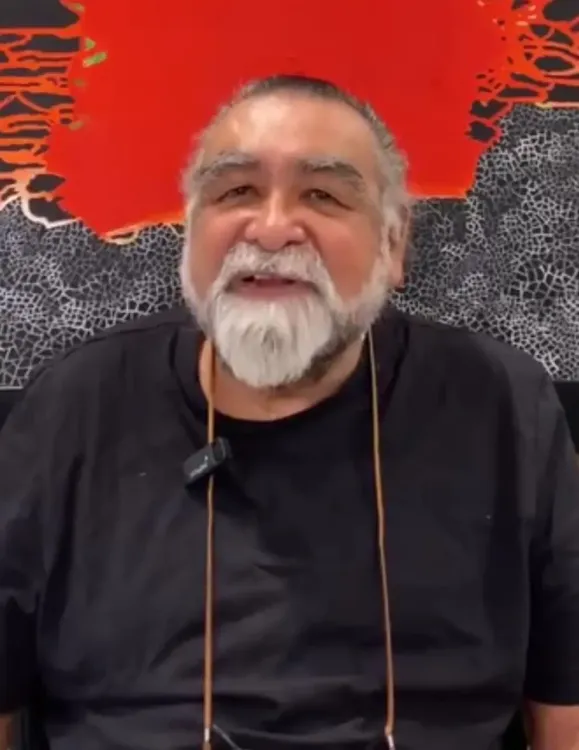
Mumbai, Dec 13 (NationPress) Director Prahlad Kakkar has expressed his views regarding music composer Vishal Dadlani’s ironic comments on the recent debate surrounding ‘Vande Mataram’ in Parliament.
Previously, Vishal had taken a jab at the Parliament’s discussions. Without directly naming anyone, he sarcastically questioned why discussions on symbolic nationalism often overshadow crucial issues such as unemployment, inflation, education, and healthcare.
In response, Prahlad Kakkar remarked to IANS, “If you remove politics from a politician, what remains? They would just be ordinary individuals. They are politicians, and politics is their profession. Leadership requires action. These controversies and remarks are insignificant; leaders will continue to lead.”
Earlier, Vishal had stated, “Hello, brothers and sisters. I have exciting news for you. Yesterday, our Parliament spent 10 hours debating Vande Mataram. This folk song, penned by Bankim Chandra Chatterjee, is widely loved.”
He further added, “Because of this debate, let me assure you, India’s unemployment crisis has been resolved. The issues with Indigo and air pollution have also been addressed. Just think! For 10 hours, a poem was debated. These pressing matters were overlooked, yet they are supposedly resolved due to this discussion. This debate costs ₹2.5 lakh per minute of your tax money in Parliament. 10 hours equates to 600 minutes. Do the math.”
His statement reflects a broader liberal critique suggesting that patriotism should focus on governance, accountability, and citizen welfare rather than mere slogans. Supporters viewed his comment as a defense of free speech and individual rights, while critics claimed he disrespected national symbols. This incident underscored ongoing tensions between cultural nationalism and constitutional rights in public discussions.
Point of View
The exchange between Prahlad Kakkar and Vishal Dadlani reflects a critical engagement with the responsibilities of leadership. It underscores the tension between symbolic nationalism and the real challenges facing citizens, emphasizing the need for politicians to prioritize governance and accountability.
NationPress
13/12/2025
Frequently Asked Questions
What was Vishal Dadlani's remark about the Parliament debate?
Vishal sarcastically noted that a 10-hour debate on 'Vande Mataram' overshadowed pressing issues like unemployment and air pollution, suggesting that the debate was an inefficient use of time.
What did Prahlad Kakkar say in response?
Kakkar highlighted that removing politics from politicians leaves them as ordinary individuals, emphasizing the need for political leaders to focus on actionable governance.
How did the public react to Vishal Dadlani's comments?
Supporters praised his defense of free speech, while critics accused him of disrespecting national symbols, illustrating a divide in public sentiment regarding patriotism.