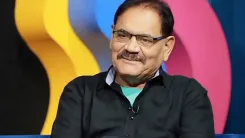
Rajeev Khandelwal opens up on mother's cancer: 'I blame myself for missing early signs'

Synopsis
Rajeev Khandelwal has turned personal tragedy into public health advocacy. On the reality show Tum Ho Naa, he opens up about his inability to catch his mother's ovarian cancer early—a regret that now drives his effort to educate millions of Indian women about warning signs that demand immediate medical attention.
Key Takeaways
Actor Rajeev Khandelwal expressed deep regret on Tum Ho Naa over not recognising his mother's ovarian cancer symptoms in time.
Khandelwal's mother passed away in 2018 after fighting cancer for 18 months .
He urged viewers to seek medical testing if they experience persistent back pain, appetite loss, abdominal bloating, or prolonged gas.
Ovarian cancer can be controlled with early detection, Khandelwal emphasised, calling it a collective responsibility to protect women's health.
The actor has turned his family's loss into a platform for raising health awareness across India.
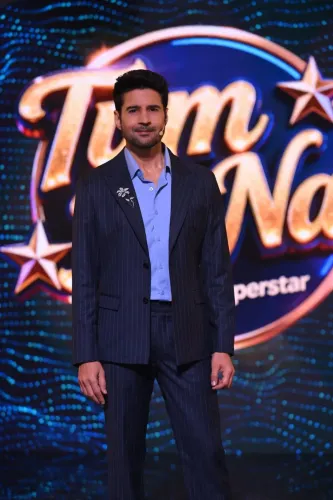
Actor and television host Rajeev Khandelwal has opened up about a deeply personal struggle in an upcoming episode of the reality show Tum Ho Naa, expressing profound regret over not recognising his mother's ovarian cancer symptoms in time. Speaking candidly on the show, Khandelwal shared his guilt and used the platform to raise awareness among viewers about early warning signs that should not be overlooked.
A Mother's Battle
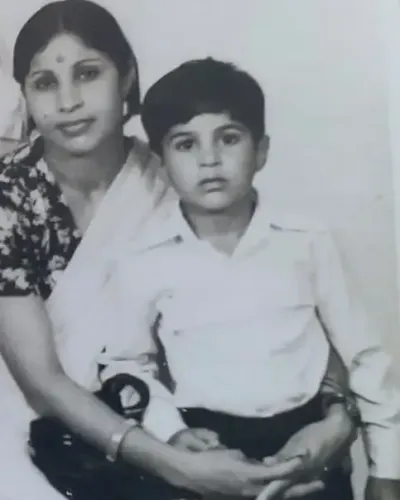
Khandelwal's mother passed away in 2018 following a year-and-a-half-long battle with cancer. The actor has previously spoken about the loss on social media, describing how the family "fought together, hoped together but couldn't come out of it together." Now, nearly six years later, he is channelling that loss into public health advocacy.
The Guilt and the Message
During his appearance on Tum Ho Naa, Khandelwal did not shy away from expressing self-blame. "I blame myself to a great extent because when my mother started showing those symptoms, I couldn't understand what was happening," he said, according to the show's producers. He emphasised that his regret stems from a lack of awareness at the time, a sentiment many families facing health crises can relate to.
Warning Signs of Ovarian Cancer
Khandelwal went on to detail the specific symptoms that warrant medical attention. He urged viewers—particularly women—to seek testing if they experience persistent back pain, unexplained loss of appetite, abdominal bloating, or prolonged gas-related discomfort. "If these symptoms continue for a long time, then please go and get yourself tested," he advised, stressing that early detection can make a significant difference.
Why This Matters
Ovarian cancer remains one of the most challenging gynaecological malignancies to detect early, often because its symptoms are non-specific and easily mistaken for digestive or musculoskeletal issues. Khandelwal's public acknowledgment of his family's missed opportunity serves as a stark reminder that awareness and proactive health-seeking behaviour can save lives. Medical experts have long flagged that women who report persistent, unexplained gastrointestinal or abdominal symptoms should not dismiss them as routine.
A Dedication to Women's Health
Khandelwal framed his intervention as a dedication to all women in India. "Ovarian cancer can be controlled," he stated, adding that while he could not save his mother, others can take action for the women around them. This call to collective responsibility—encouraging family members and friends to be vigilant about health changes—reflects a growing recognition that cancer awareness is not just an individual responsibility but a community one.
The actor's decision to revisit this painful chapter publicly underscores a broader shift in Indian entertainment toward using platforms for health advocacy, turning personal tragedy into a potential lifesaver for others.
Point of View
And it arrives at a time when ovarian cancer awareness in India remains dangerously low. The non-specific nature of early symptoms—back pain, bloating, appetite loss—means many cases are caught too late. What makes his intervention valuable is not the celebrity factor but the specificity: he names the symptoms, names the cancer, and names the action (get tested). In a media ecosystem often dominated by wellness fads and unproven remedies, this is straightforward, actionable health communication. Whether it will translate into changed behaviour among women and their families remains to be seen, but the attempt itself fills a gap that India's public health messaging has long left open.
NationPress
25 Sept 2026
Frequently Asked Questions
What did Rajeev Khandelwal say about his mother's cancer on Tum Ho Naa?
Rajeev Khandelwal expressed regret and self-blame for not recognising his mother's ovarian cancer symptoms early enough. He said he "couldn't understand what was happening" when she first showed signs of illness, and used the platform to urge others to be more vigilant about health warning signs.
When did Rajeev Khandelwal's mother pass away?
Rajeev Khandelwal's mother passed away in 2018 after fighting cancer for approximately 18 months. He announced her death on social media at the time, describing the family's shared battle and hope.
What are the ovarian cancer symptoms Rajeev Khandelwal mentioned?
He highlighted persistent back pain, unexplained loss of appetite, abdominal bloating, and prolonged gas-related discomfort as warning signs that warrant medical testing. He emphasised that if these symptoms persist for an extended period, women should seek immediate medical evaluation.
Why is Rajeev Khandelwal raising awareness about ovarian cancer now?
While his mother's death occurred in 2018, Khandelwal is now channelling that loss into public health advocacy through his appearance on Tum Ho Naa. He believes early detection and awareness can help other families avoid the tragedy his own family experienced, framing it as a collective responsibility to protect women's health.