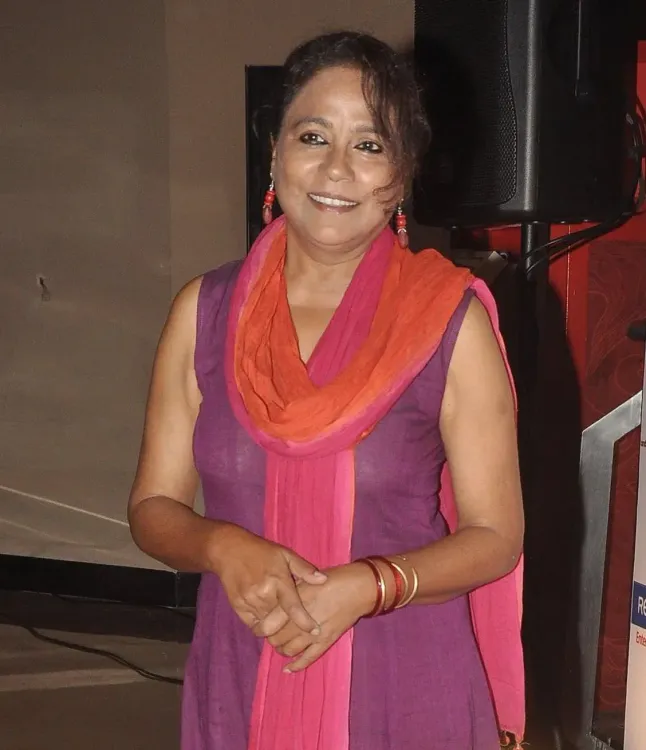
Seema Biswas on Bandit Queen: 'I felt only I could do this role'
Synopsis
Seema Biswas once admitted she became so possessive after reading the Bandit Queen script that she was certain no one else could play Phoolan Devi. Three decades later, that instinct looks prescient — the 1994 Shekhar Kapur film went to Cannes, was India's Oscar entry, and won the National Film Award for Best Hindi Feature.
Key Takeaways
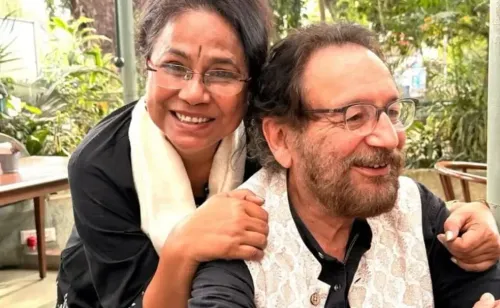
Seema Biswas revealed she felt 'only I could do this role' after reading the Bandit Queen script and Mala Sen 's book on Phoolan Devi .
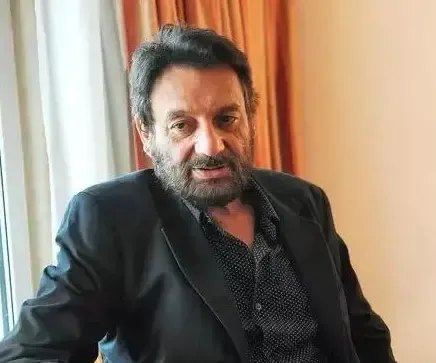
Directed by Shekhar Kapur , 'Bandit Queen' released theatrically on 26 January 1994 .
The film premiered in the Directors' Fortnight section at the 1994 Cannes Film Festival .
It was India's official entry for 'Best Foreign Language Film' at the 67th Academy Awards , though it was not nominated.
The film won the National Film Award for Best Feature Film in Hindi .
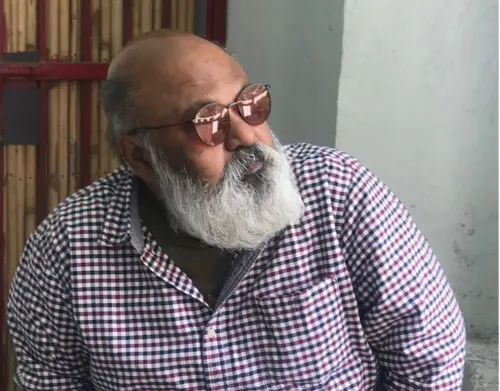
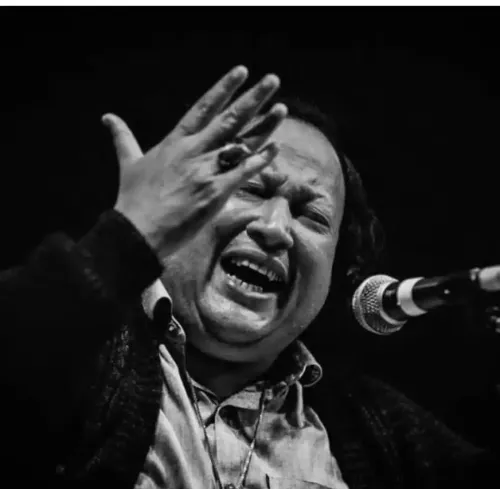
The cast included Manoj Bajpayee , Saurabh Shukla , Raghuvir Yadav , and Nirmal Pandey , with music by Nusrat Fateh Ali Khan .
Celebrated actress Seema Biswas once revealed that reading the script for 'Bandit Queen' made her fiercely possessive about the role — convinced that no one else could bring Phoolan Devi's story to life the way she could. The candid admission offers a rare window into the emotional and artistic investment behind one of Indian cinema's most acclaimed performances.
How the Script Changed Everything
Speaking at a media interaction, Biswas described the moment she encountered both Mala Sen's book 'India's Bandit Queen: The True Story of Phoolan Devi' and the film's screenplay as transformative. 'The first time I read the book 'The Bandit Queen' by Mala Sen and the script of the movie, I was very moved. I became very positive. I felt that only I could do this role,' she said.
That sense of ownership, she explained, came not from ego but from a deep emotional connection to the material. She had long sought a role of this weight and complexity.
What Biswas Said About the Film
'Bandit Queen has become a very good, strong, serious, and real film, I think. I feel very proud of it. I really want to play a challenging role like this,' Biswas said. The remark underscores how the project aligned with her artistic ambitions at a pivotal point in her career.
The Film and Its Making
Directed by Shekhar Kapur and backed by Kaleidoscope Entertainment and Film Four International, 'Bandit Queen' received a theatrical release on 26 January 1994. The ensemble cast included Nirmal Pandey, Aditya Srivastava, Saurabh Shukla, Manoj Bajpayee, Raghuvir Yadav, Rajesh Vivek, Anirudh Agarwal, and Govind Namdev in key roles.
The film's technical craft was equally distinguished — cinematography by Ashok Mehta, editing by Renu Saluja, and a haunting score by Nusrat Fateh Ali Khan.
Critical Recognition and Awards
'Bandit Queen' premiered in the prestigious Directors' Fortnight section at the 1994 Cannes Film Festival and was selected as India's official entry for the 'Best Foreign Language Film' category at the 67th Academy Awards, though it did not advance to the nomination stage.
Domestically, the film earned the National Film Award for Best Feature Film in Hindi — a recognition that cemented its place in the canon of serious Indian cinema. Notably, 'Bandit Queen' remains one of the rare films of its era to achieve both festival prestige and a lasting cultural impact.
Why It Still Matters
Three decades on, Biswas's portrayal of Phoolan Devi is still cited as a benchmark for biographical performances in Hindi cinema. Her revelation about the possessiveness she felt toward the role reflects a kind of actor-character bond that, by most critical accounts, translated directly onto screen. The film continues to be taught in film studies courses and referenced in conversations about representation, gender, and justice in Indian storytelling.
Point of View
But the real weight of the project rested on Biswas's shoulders. That she intuited this from the first read of the script suggests a level of artistic self-awareness that Indian cinema rarely documents this candidly.
NationPress
13 Sept 2026
Frequently Asked Questions
Why did Seema Biswas feel possessive about the Bandit Queen role?
Seema Biswas said she became possessive after reading Mala Sen's book and the film's script, feeling deeply moved and convinced that only she could portray Phoolan Devi. She described it as an overwhelming sense of emotional connection and artistic certainty.
Who directed Bandit Queen and when was it released?
Bandit Queen was directed by Shekhar Kapur and released theatrically on 26 January 1994. It was backed by Kaleidoscope Entertainment and Film Four International.
What awards did Bandit Queen win?
Bandit Queen won the National Film Award for Best Feature Film in Hindi. It was also India's official entry for the Best Foreign Language Film category at the 67th Academy Awards, though it was not accepted as a nominee.
Where did Bandit Queen premiere internationally?
The film premiered in the Directors' Fortnight section of the 1994 Cannes Film Festival, one of the festival's most respected parallel selections for emerging and auteur cinema.
Who else featured in the cast of Bandit Queen?
Alongside Seema Biswas, the film featured Nirmal Pandey, Aditya Srivastava, Saurabh Shukla, Manoj Bajpayee, Raghuvir Yadav, Rajesh Vivek, Anirudh Agarwal, and Govind Namdev. Music was composed by Nusrat Fateh Ali Khan.