Shubhangi Atre on pollution: 'World may lose its natural calmness'
Synopsis
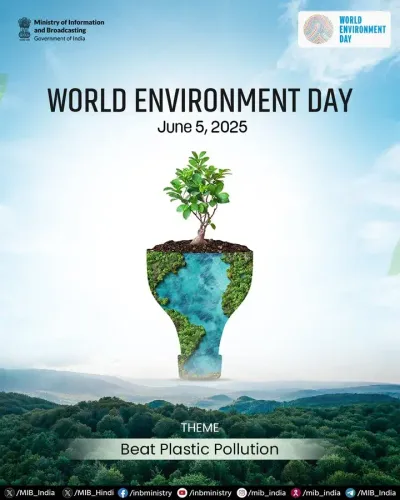
Ahead of World Environment Day on 5 June, actress Shubhangi Atre warns that unchecked pollution risks stripping the world of its natural calm — and argues that humanity's core failure is forgetting how to coexist with nature, not merely overusing it.
Key Takeaways
Shubhangi Atre spoke out on rising pollution ahead of World Environment Day on 5 June .
She warned that continued environmental damage could cause the world to 'lose its natural calmness.' Atre described plastic pollution as something that 'slowly chokes nature,' with animals suffering the most.
She called on individuals to reconnect with nature as a way to make more mindful daily choices.
Atre is known for her roles in 'Bhabhiji Ghar Par Hain' , 'Chidiya Ghar' , and 'Do Hanson Ka Jodaa' .
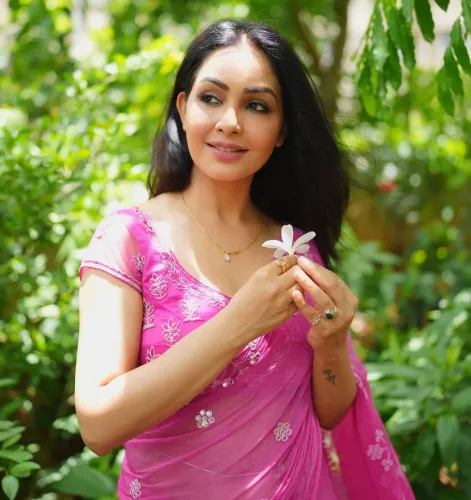
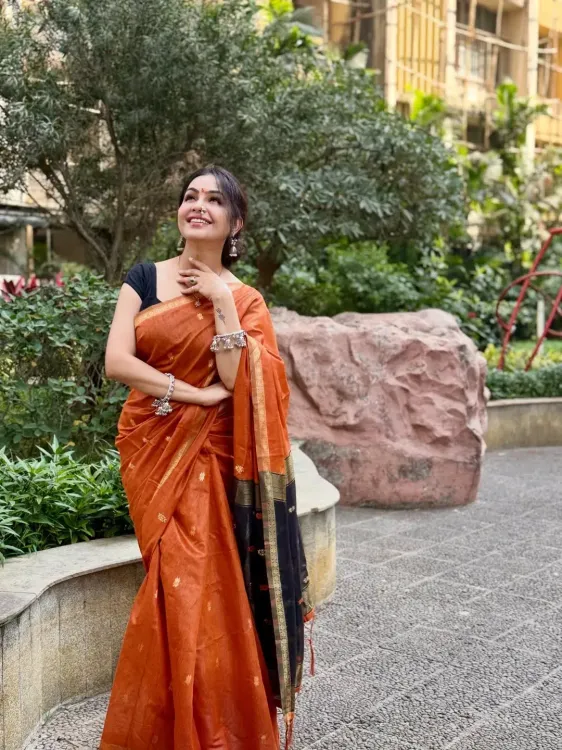
Television actress Shubhangi Atre, best known for her roles in 'Bhabhiji Ghar Par Hain', 'Chidiya Ghar', and 'Do Hanson Ka Jodaa', has spoken out about the escalating threat of pollution and its long-term consequences for both the environment and human well-being. Her remarks come ahead of World Environment Day on 5 June, as public discourse around ecological degradation grows louder.
A Forgotten Relationship With Nature
Atre did not mince words when describing what she sees as the root of the crisis. 'Honestly, I feel the biggest problem is that we have forgotten how to coexist with nature. We are not just using resources anymore; we are exhausting them. Forests are disappearing, animals are losing their homes, and the natural rhythm of seasons is changing,' she said.
Her observation reflects a broader concern shared by environmentalists: that consumption patterns, particularly in rapidly urbanising nations like India, have outpaced the planet's capacity to regenerate. This comes amid data showing that India ranks among the world's most pollution-affected countries, with several of its cities consistently appearing in global air quality indices.
Plastic Pollution: A Silent Chokehold
On the specific issue of plastic pollution, Atre offered a vivid characterisation. 'Plastic pollution, to me, feels like something that slowly chokes nature. It doesn't allow the earth or water to breathe freely, and animals suffer the most because they don't understand it,' she said.
Notably, plastic waste remains one of India's most persistent environmental challenges. Millions of tonnes of single-use plastic enter water bodies and soil annually, with marine and terrestrial wildlife bearing a disproportionate burden. The actress's framing — centred on the voicelessness of animals — adds an emotional dimension that public awareness campaigns have long sought to communicate.
Living Closer to Nature
Beyond critique, Atre also spoke about her personal approach. 'I try to live in a way that feels closer to nature. When you stay connected to nature, you automatically become more careful about your choices,' she said, advocating for mindfulness as a practical entry point for individual action.
This philosophy aligns with a growing wellness movement in urban India that links mental health and lifestyle choices to environmental consciousness — a convergence increasingly reflected in public health research.
Warning Ahead of World Environment Day
With World Environment Day approaching on 5 June, Atre issued a forward-looking caution. 'If pollution continues, the world may lose its natural calmness. We need to slow down and observe nature more. If we respect it, it will continue to nurture us. Even small steps in our daily life can help protect it,' she said.
Her appeal echoes the broader theme of this year's global observance, which focuses on ecosystem restoration and individual responsibility. As celebrities increasingly use their platforms to amplify environmental messaging, Atre's voice adds to a chorus calling for structural and behavioural change before irreversible damage sets in.
Point of View
But Atre's framing — that humanity has forgotten how to coexist with nature, not merely how to conserve it — is a sharper diagnosis than most public awareness campaigns offer. The distinction matters: coexistence implies systemic restraint, not just recycling bins. What's missing from her appeal, as with most such interventions, is any engagement with the policy levers — plastic bans, urban green cover mandates, industrial discharge norms — that individual mindfulness alone cannot substitute. The real question is whether platforms amplifying these voices also hold accountable the industries driving the damage.
NationPress
16 Oct 2026
Frequently Asked Questions
What did Shubhangi Atre say about pollution?
Shubhangi Atre warned that rising pollution could cause the world to lose its natural calmness, urging people to reconnect with nature and adopt more mindful daily habits. She made these remarks ahead of World Environment Day on 5 June.
What is World Environment Day and when is it observed?
World Environment Day is a global observance held annually on 5 June, led by the United Nations Environment Programme (UNEP), to raise awareness about environmental protection. This year's theme focuses on ecosystem restoration and individual responsibility.
What did Shubhangi Atre say about plastic pollution specifically?
She described plastic pollution as something that 'slowly chokes nature,' preventing the earth and water from breathing freely and causing animals to suffer disproportionately. She called it a silent but severe threat to the planet.
Which TV shows is Shubhangi Atre known for?
Shubhangi Atre is best known for her role in the popular comedy series 'Bhabhiji Ghar Par Hain.' She has also appeared in 'Chidiya Ghar' and 'Do Hanson Ka Jodaa.'
What personal steps does Shubhangi Atre take to stay connected with nature?
Atre said she tries to live in a way that feels closer to nature, believing that staying connected to the natural world makes a person automatically more careful about their choices and lifestyle habits.