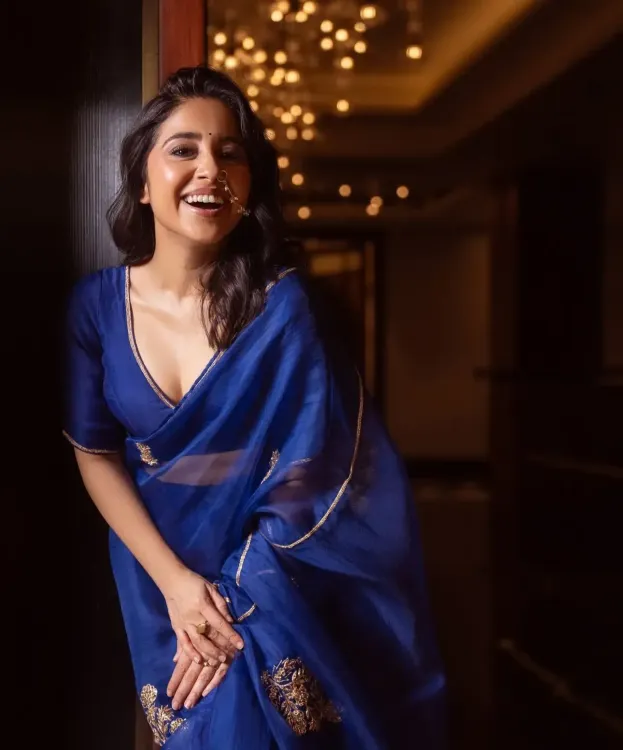
Why is Shweta Tripathi Championing Women-led and Queer Narratives?
Synopsis
Shweta Tripathi's new production journey emphasizes the importance of women-led and queer stories, aiming to create transformative narratives that are both relatable and impactful. Her commitment to authenticity in storytelling highlights the need for diverse voices in media.
Key Takeaways
Shweta Tripathi is dedicated to promoting women-led and queer narratives .
Her film Mujhe Jaan Na Kaho Meri Jaan is set to start production soon.
The play Cock has been successful in various cities.
Shweta emphasizes the need for authentic storytelling.
She believes in the importance of representation in media.
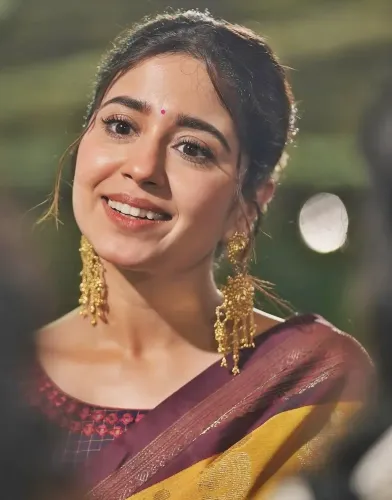
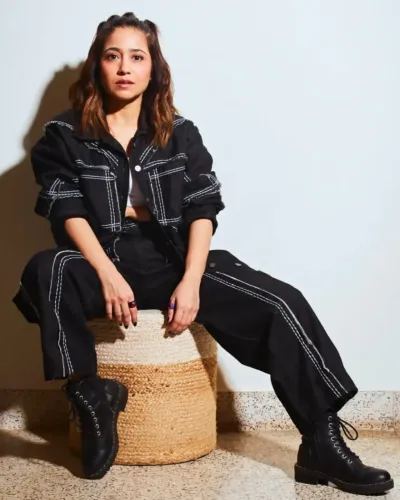
Mumbai, Feb 16 (NationPress) Shweta Tripathi has ventured into production with an emphasis on women-led and queer narratives, feeling that this focus is not only appropriate but also resonates with her as an artist's journey.
Shweta recently unveiled her inaugural queer film as a producer, titled Mujhe Jaan Na Kaho Meri Jaan, featuring Tilottama Shome. Production is anticipated to commence this year. Additionally, she produced the queer play Cock, which toured various cities and garnered positive audience feedback.
“This is deeply personal for me,” she stated.
Shweta elaborated: “To foster change, we must actively participate in it. While narratives about women and queer individuals have existed, they often lacked the platform and acknowledgment they merit. Having the privilege to create now, I must be conscientious in how I exercise it.”
Shweta's aspiration is for these stories to convey the essence of being human—imperfect and relatable. This principle extends to the queer stories she champions, emphasizing that they need not be loud or sensational to leave a mark.
“Often, these tales are gentle and part of everyday life,” she noted.
“They may not always demand attention, but they linger in your mind. That’s the type of work I aim to associate with.”
“This is the route I wish to pursue—supporting women-centric topics, uplifting queer voices, and making sincere choices. It feels right, akin to home, and is aligned with my broader purpose as an artist,” she added.
Shweta's next appearance will be in ‘Mirzapur-The Movie’, set for release on September 4.
“Mirzapur” narrates the story of Akhandanand “Kaleen” Tripathi, a crime lord and businessman who reigns over the Mirzapur district in the Purvanchal region of Uttar Pradesh, India.
In its inaugural season, the main cast includes Pankaj Tripathi, Ali Fazal, Divyendu Sharma, Vikrant Massey, Shweta Tripathi, Shriya Pilgaonkar, Rasika Dugal, Harshita Gaur, and Kulbhushan Kharbanda.
The second season retains most of the original cast, omitting Vikrant and Shriya, and introduces new talents like Vijay Varma, Isha Talwar, Lilliput, Anjum Sharma, Priyanshu Painyuli, Anangsha Biswas, and Neha Sargam.
The forthcoming movie adaptation will feature both new cast members and returning favorites, including Jitendra Kumar, Sonal Chouhan, and Ravi Kishan.
Point of View
I find Shweta Tripathi's commitment to women-led and queer narratives both refreshing and necessary in today's media landscape. By amplifying these voices, she not only enriches the narrative diversity but also inspires a new generation of storytellers. This approach aligns well with the ongoing push for inclusivity in various art forms, ensuring representation that reflects our multifaceted society.
NationPress
3 Oct 2026
Frequently Asked Questions
What is Shweta Tripathi's new production focus?
Shweta Tripathi is focusing on women-led and queer narratives, emphasizing their importance in storytelling.
What is the title of Shweta's first queer film?
Her first queer film as a producer is titled 'Mujhe Jaan Na Kaho Meri Jaan.'
When is 'Mirzapur-The Movie' set to release?
'Mirzapur-The Movie' is scheduled for release on September 4.
What themes does Shweta Tripathi aim to explore in her productions?
She aims to explore themes that are relatable, human, and often overlooked, particularly in women-led and queer narratives.
Why does Shweta believe these stories are important?
Shweta believes that stories about women and queer lives deserve recognition and representation in media, as they contribute to societal change.