Smita Patil on women in cinema: 'Showing her as weak makes her weaker'
Synopsis
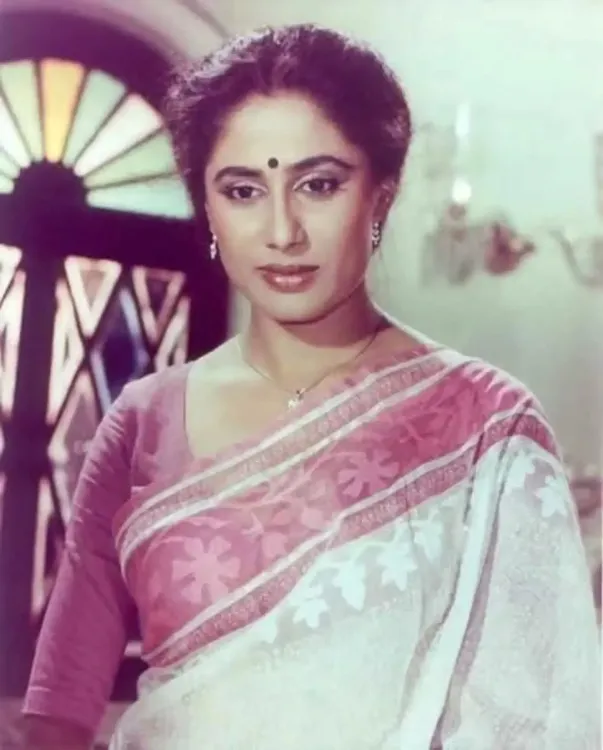
Decades before the conversation on female representation in Indian cinema became mainstream, Smita Patil was already naming the problem with precision. Her critique, anchored in her film 'Subah', was that repetitive weak portrayals do not just reflect society — they actively reinforce it. Her son Prateik's birth-anniversary tribute brings her words back into sharp public view.
Key Takeaways
Smita Patil argued in a throwback interview that depicting women as weak in cinema reinforces their weakness in public perception.
She cited her film 'Subah' , in which an educated middle-class woman fights both family and workplace to build an independent life.
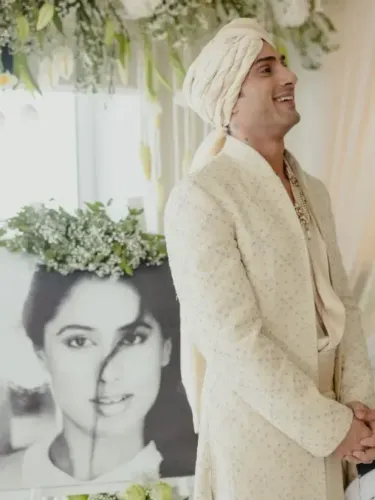
Her son, actor Prateik Smita Patil , paid tribute on her birth anniversary, calling her his guardian angel.
Smita Patil passed away on 13 December 1986 due to childbirth complications, aged 31 .
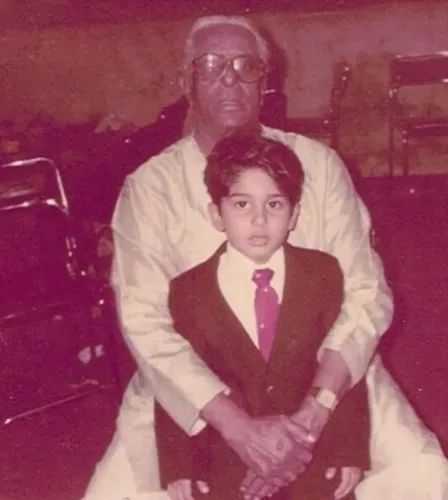
Prateik was raised by her parents in Mumbai following her death.
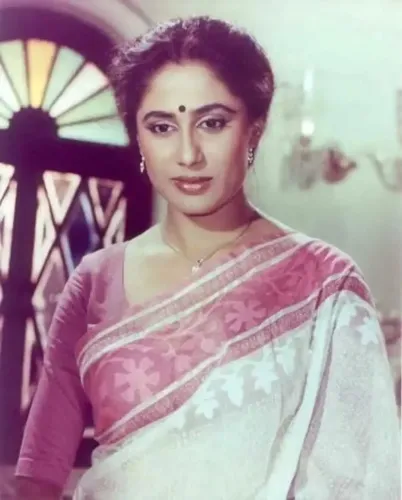
Late actress Smita Patil, one of the most celebrated figures in Indian parallel cinema, once argued passionately that the portrayal of women on screen had not only remained stagnant but had actively diminished their strength over decades. Her remarks, drawn from a throwback interview with a media portal, resurface periodically as a reminder of how far — or how little — mainstream cinema has travelled since her era.
The Critique: Weakness as Default
In the interview, Smita Patil made a pointed observation about the cyclical nature of female representation in Hindi films. 'The same depiction of women has been going on for so many years now that by showing her as weak, she is made even weaker,' she said. She argued that repetition itself becomes a tool of diminishment — that audiences and filmmakers alike become habituated to a version of womanhood defined by its limitations rather than its agency.
Using 'Subah' as a Case Study
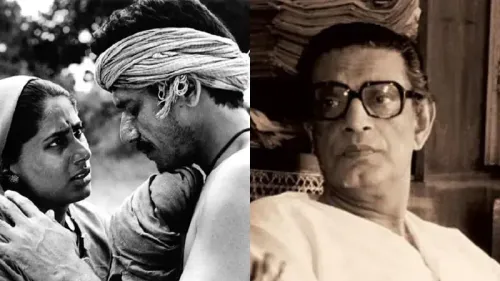
Patil drew on her own film 'Subah' to illustrate the point. In the film, the lead character — an educated woman from a middle-class family — attempts to break free from domestic constraints to become a superintendent of a remand home. The character's journey, as Patil described it, is a two-front battle fought simultaneously at home and at the workplace.
'If you show a very powerful woman so quickly, like the film Subah, which I would like to talk about, in which this woman, being educated in a middle-class family, is trying to break the family structure, to become a superintendent of a remand home, but even doing a job is made so difficult for her. She fights with her family for the job and leaves her husband, who is a lawyer, and her daughter at home. Even at the workplace, there is an even more horrific experience,' Patil elaborated.
Notably, the film did not sanitise the difficulty of a woman choosing professional life over social expectation — a choice that Patil viewed as both a narrative strength and a reflection of lived reality for many Indian women of that generation.
Prateik's Tribute on Her Birth Anniversary
The remarks have resurfaced in the context of Smita Patil's birth anniversary, which her son, actor Prateik Smita Patil, marked with an emotional tribute on his official social media handle on Saturday. Addressing his late mother as his guardian angel, he wrote: 'Happy forever heavenly birthday my guardian angel… this physical world was too weak to witness our love but we always had other plans… I feel your blessings and protection through every moment of my existence and more deeply with the moments in this journey that are meant to define me and understand who I really am and why we chose this journey together and for each other.'
Smita Patil passed away on 13 December 1986 due to childbirth complications. Following her death, Prateik was raised by her parents in Mumbai.
A Legacy That Outlasts Her Era
Patil's career, though cut short at the age of 31, left a body of work — spanning films like 'Manthan', 'Bhumika', 'Arth', and 'Mirch Masala' — that consistently centred women with interiority and contradiction. Her critique of weak female archetypes was not an abstract argument; it was a creative philosophy she enacted on screen. Her observations, made decades ago, continue to find resonance in contemporary conversations about gender representation in Indian film.
Point of View
But identifying repetition itself as the mechanism of harm. That argument remains unresolved: decades on, the debate about whether Bollywood's female characters have genuinely evolved or merely swapped one archetype for another is still live. Her remarks, surfacing on her birth anniversary, are a useful provocation — not nostalgia. The discomfort is that mainstream cinema, even today, struggles to move beyond the binary she described.
NationPress
17 Oct 2026
Frequently Asked Questions
What did Smita Patil say about the portrayal of women in cinema?
Smita Patil argued that women in Indian cinema have been repeatedly shown as weak, and that this persistent depiction actively makes them appear weaker over time. She made these remarks in a throwback interview, citing her film 'Subah' as an example of a more honest and complex portrayal.
What is the film 'Subah' that Smita Patil referenced?
'Subah' is a film in which Smita Patil played an educated middle-class woman fighting on two fronts — against her family and at her workplace — to become a superintendent of a remand home. Patil described it as an example of how even a powerful female character's journey is shown to be filled with institutional and domestic resistance.
How did Prateik Smita Patil mark his mother's birth anniversary?
Actor Prateik Smita Patil posted an emotional tribute on his official social media handle, calling his late mother his guardian angel and writing of feeling her blessings and protection through every moment of his life.
When did Smita Patil pass away and what were the circumstances?
Smita Patil passed away on 13 December 1986 due to complications from childbirth. She was 31 years old at the time of her death, and her son Prateik was subsequently raised by her parents in Mumbai.
Why does Smita Patil's view on female representation still matter today?
Her critique — that repetitive weak portrayals of women in cinema reinforce real-world perceptions of female weakness — anticipated debates that became mainstream in Indian film criticism much later. Her work in films like 'Bhumika', 'Arth', and 'Mirch Masala' gave practical form to her philosophy.