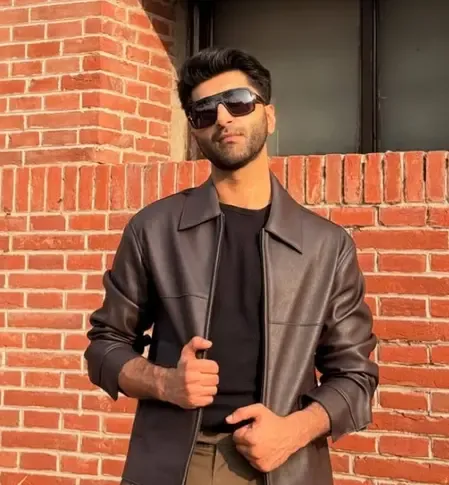
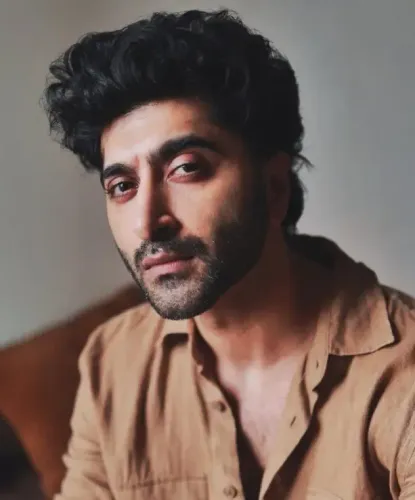
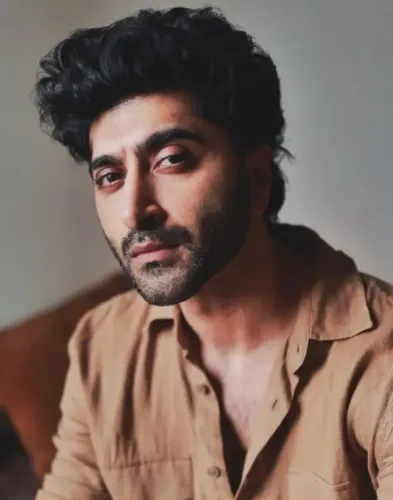
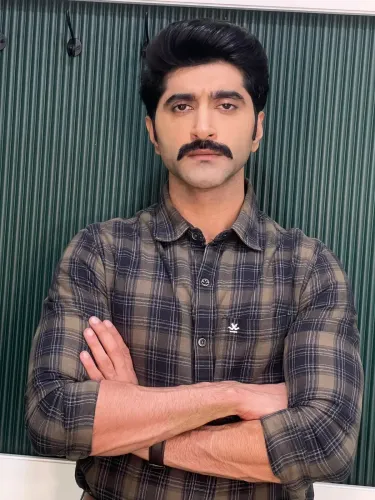
Suhail Nayyar on life balance: 'Happiness is important, reinvent yourself'
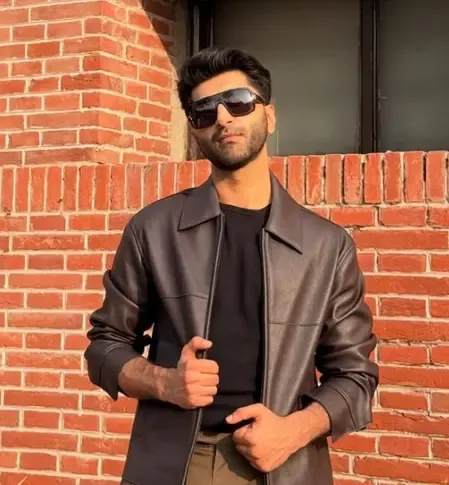
Synopsis
Suhail Nayyar is done with the suffering-artist trope. Riding a strong response to 'Udta Teer', the actor argues that happiness is as essential as craft — and that reinventing yourself, not walking wounded, is the real mark of a working performer.
Key Takeaways
Suhail Nayyar is promoting his new film 'Udta Teer' , which has received a positive public response.
He rejects the idea that great art requires personal suffering, saying 'Happiness is important.' He uses a bodybuilding analogy — '100% diet and 100% workout' — to argue that all areas of life deserve full commitment.
On screen acting, Nayyar says attachment to results is unhealthy because so much — from editing choices to final cuts — is outside an actor's control.
His guiding principle: 'You don't go crazy in happiness, you don't go crazy when things don't go your way.
Actor Suhail Nayyar is currently basking in the warm reception to his performance in the recently released film 'Udta Teer', but off-screen, the actor operates by a grounded, pragmatic philosophy — one that rejects both the 'walking wounded' artist archetype and the trap of workaholism.
On Balance and Happiness
Speaking during the promotions of 'Udta Teer' in the Andheri West area of Mumbai, Nayyar pushed back against the romanticised idea that great art demands personal suffering. When asked about the notion that artists must soldier through pain no matter what is happening in their personal lives, he offered a direct counter: 'Let's look at it like this. You give importance to other things in life. Happiness is important.'
He extended the thought with a fitness analogy that underlines his all-or-nothing approach to balance. 'People say that in bodybuilding, it's 80% diet 20% workout. No, I feel it's 100% diet and 100% workout. You have to balance everything. To each their own. You understand what's working for you. Till when it won't work, you can't really put a finger on it. The only best way is to reinvent yourself,' he said.
Detachment from Results
Nayyar has previously spoken about his sense of detachment from the outcomes of his work, and he elaborated on where that outlook comes from. For the actor, it is less a spiritual posture and more a practical reckoning with the realities of screen performance.
'You get to know while doing it because in screen acting, you don't have a lot in your hands. What take will be selected by the editor, if your best acting is not selected, if it is cut, you never know, and you are not in control of that. You can't be attached to the result. You can be attached to the character. But attachment to the result is not a healthy thing,' he explained.
Staying the Course
Nayyar is clear that detachment does not mean indifference. He describes it as an emotional steadiness that keeps him functional regardless of outcomes. 'It's not like I don't care. Whatever it is, you learn, I think it's the right way. You don't go crazy in happiness, you don't go crazy when things don't go your way. You keep going,' he added.
This equanimity appears to inform his broader creative identity — he looks at his work objectively, fully aware that beyond his performance, much of what reaches the audience is shaped by editors, directors, and the final cut. With 'Udta Teer' drawing positive notices, it is a philosophy that seems to be serving him well. How he channels that balance into upcoming projects will be worth watching.
Point of View
His detachment-without-indifference stance is worth noting. Whether audiences reward that composure with long-term stardom, or whether the industry's appetite for tortured-genius narratives sidelines him, remains the more interesting question.
NationPress
1 Nov 2026
Frequently Asked Questions
Who is Suhail Nayyar and what is 'Udta Teer'?
Suhail Nayyar is a Bollywood actor currently in the spotlight for his performance in 'Udta Teer', a recently released Hindi film that has drawn strong audience response. He was speaking about the film during its promotional events in Mumbai.
What does Suhail Nayyar mean by rejecting the 'walking wounded' idea?
Nayyar pushes back against the notion that artists must suppress personal pain and keep working regardless of their wellbeing. He argues that giving importance to happiness and balance is not a weakness but a necessary part of sustaining a creative career.
How does Suhail Nayyar stay detached from the outcome of his work?
He says screen acting taught him detachment naturally — since editing, take selection, and final cuts are all beyond an actor's control, clinging to results is counterproductive. He believes an actor should stay committed to the character, not the outcome.
What is Suhail Nayyar's philosophy on balancing work and life?
He draws on a bodybuilding analogy, saying the answer is not 80-20 but '100% diet and 100% workout' — full commitment to every dimension of life simultaneously. He emphasises continual self-reinvention as the healthiest long-term strategy.
Where did Suhail Nayyar make these remarks?
Nayyar made these remarks during the promotional activities for 'Udta Teer' in the Andheri West area of Mumbai on 1 November 2026.