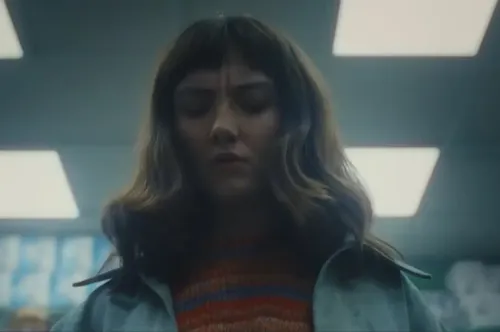
Could Tridha Choudhury's Hollywood Nude Scenes Jeopardize Her Bollywood Career?
Click to start listening

Synopsis
Actress Tridha Choudhury reveals the challenges she faced regarding bold choices in Hollywood that could hinder her Bollywood career. Explore her journey, decisions, and roles that reflect her growth as an actress navigating diverse opportunities across film industries.
Key Takeaways
- Tridha Choudhury is cautious about her choices in film roles.
- She believes in exploring global opportunities without compromising her career.
- Her transition to comedy showcases her versatility as an actress.
- The impact of typecasting remains a significant concern in the industry.
- Strong scripts guide her role selection process.
Mumbai, Dec 28 (NationPress) Actress Tridha Choudhury has recently shared insights into the strategic decisions she has made while exploring opportunities across different film industries.
In an exclusive conversation with IANS, she mentioned her awareness that participating in nude scenes for a Hollywood project could potentially limit her future prospects, particularly in Bollywood and beyond. Tridha expressed her concern that such a choice could result in being typecast or missing out on numerous other roles. Having already ventured into international projects, she believes there are alternative ways to gain global exposure without compromising her long-term career goals.
Tridha Choudhury articulated, “Had I engaged in a Hollywood project featuring nude scenes, it would have obstructed many of my subsequent opportunities. I was conscious of this. Therefore, since I have already explored the Hollywood landscape, I feel there are other avenues to pursue without jeopardizing my ongoing journey in Bollywood or elsewhere.”
On the professional front, Tridha made her cinematic debut with Srijit Mukherji's “Mishawr Rawhoshyo” in 2013 and later garnered acclaim on television through the StarPlus series “Dahleez,” which premiered in March 2016. In 2020, she starred in notable roles in Amazon Prime Video's “Bandish Bandits” and the popular MX Player series “Aashram.”
Her latest appearance was in Kapil Sharma's comedy-drama film “Kis Kisko Pyaar Karoon 2.” The film also featured Hira Warina, Parul Gulati, and Ayesha Khan.
When queried about her motivation for taking on this film and whether it signified a conscious shift from intense or bold roles to comedy, Tridha responded to IANS, “I believe actors gravitate toward roles where the script possesses strength. If you have seen Ashram, you may have noticed how Babita’s character evolves. Her narrative arc becomes significantly political, and that transformation was integral to the writing.”
“Since then, I have not felt pigeonholed as 'bold'; however, at times, the roles offered have leaned more towards being eye-candy. Regardless of whether I’m delivering a punch or sharing a kiss, both actions are still part of the performance. Ultimately, everything we engage in is acting. Comedy presents a unique challenge. This film allowed me to delve into that realm, and I'm continuously learning.”
Point of View
I find Tridha Choudhury's reflections on her career choices particularly enlightening. In an industry where the line between personal and professional choices can blur, her thoughtful consideration of roles is commendable. It highlights the broader issue of typecasting and the pressures faced by actors in balancing artistic expression and career longevity.
NationPress
08/01/2026
Frequently Asked Questions
What concerns did Tridha Choudhury have about doing nude scenes?
Tridha Choudhury was concerned that participating in nude scenes for a Hollywood project could limit her future opportunities in Bollywood and potentially typecast her.
What are some of Tridha's notable projects?
Tridha made her film debut in 'Mishawr Rawhoshyo' and gained recognition through 'Dahleez', 'Bandish Bandits', and 'Aashram'.
Why did Tridha choose to pursue comedy roles?
Tridha believes that actors should choose roles based on strong scripts, and she wanted to explore the challenge of comedy, which differs from her previous intense roles.