Upcoming Film 'Valmiki Ramayana' Set for Theatrical Release on October 2
Synopsis
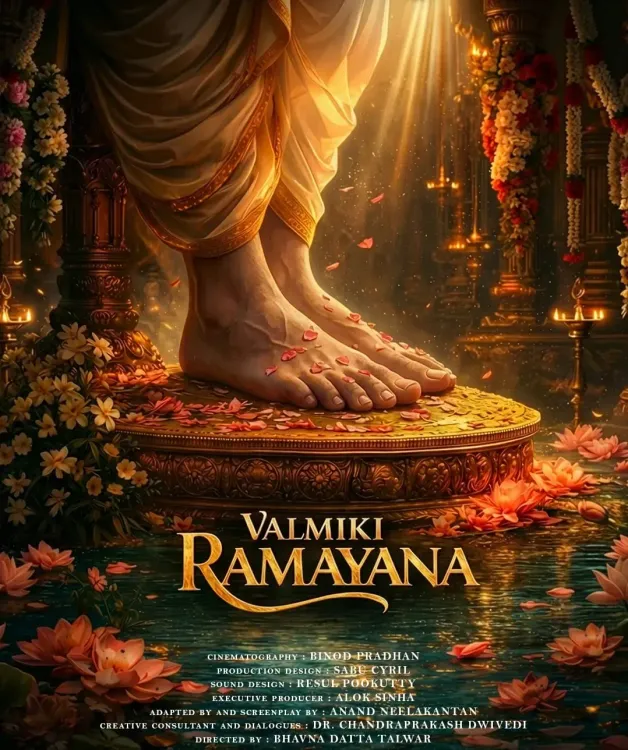
The first poster for the film 'Valmiki Ramayana' has been revealed, showcasing a devotion to the original epic's spirit. Directed by Bhavna Talwar, this cinematic portrayal promises to resonate with audiences while adhering to the text's authenticity.
Key Takeaways
The film 'Valmiki Ramayana' focuses on spirituality and emotional resonance.
It is directed by Bhavna Talwar with a strong creative team.
The release date is set for October 2.
The film aims to remain true to the original epic's narrative.
It explores significant themes relevant to Indian culture.
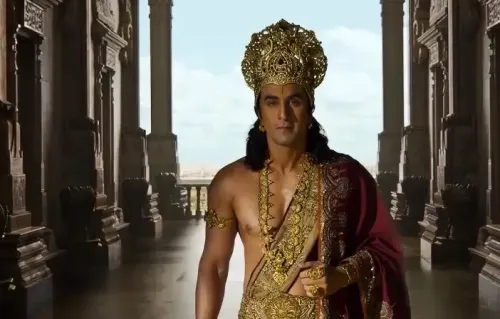
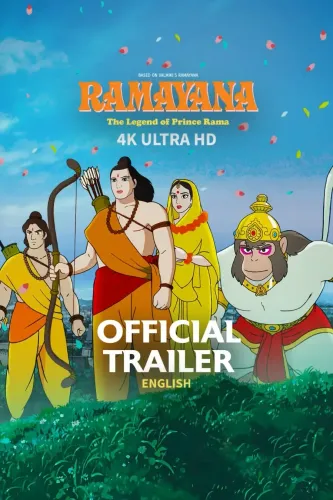
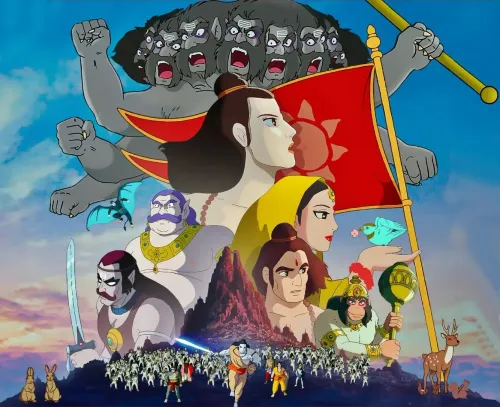
Mumbai, March 26 (NationPress) The initial poster for the much-anticipated film ‘Valmiki Ramayana’ was released on Thursday. The imagery embodies devotion, purity, and profound respect for one of India’s most revered epics. This film aims to deliver a theatrical journey rooted in faith and simplicity, remaining faithful to the essence of the original narrative.
Directed by Bhavna Talwar, the film assembles a talented team of creative experts dedicated to portraying the epic with both authenticity and emotional richness. Esteemed production designer Sabu Cyril spearheads the film's visual craftsmanship, while acclaimed author Anand Neelakantan pens the screenplay, closely adhering to the original Valmiki Ramayana.
Contributing further artistic depth, veteran cinematographer Binod Pradhan employs his renowned visual storytelling techniques, and Academy Award-winning sound designer Resul Pookutty orchestrates the auditory landscape. Additionally, filmmaker and scholar Chandraprakash Dwivedi joins as Creative Consultant and dialogue writer, bringing his extensive knowledge of Indian history and mythology to the project.
This production is approached with a sense of restraint and reverence, emphasizing the spiritual and emotional heart of the epic over mere spectacle. The filmmakers aspire to present Valmiki Ramayana as a profound cinematic experience that resonates with viewers of all ages.
Set to premiere in theaters on October 2, the Valmiki Ramayana stands as one of the earliest Sanskrit epics and a cornerstone of Indian literature. Composed between 500–100 BCE, it encompasses around 24,000 verses organized into seven books.
The storyline chronicles Lord Ram, the prince of Ayodhya, detailing his exile, the kidnapping of his wife Sita by Ravana, and her eventual rescue with the assistance of allies like Hanuman. The text explores themes of kingship, duty (dharma), familial responsibilities, and moral conduct.
Furthermore, it lays early frameworks for political authority and social structure. The Valmiki Ramayana presents a distinct tone and detail in contrast to later adaptations, serving as the primary reference for subsequent regional and cultural interpretations across South and Southeast Asia.
Point of View
The unveiling of the 'Valmiki Ramayana' film poster demonstrates a significant cultural milestone. The commitment to authenticity and emotional depth reflects a growing trend in Indian cinema to honor traditional narratives, which could resonate profoundly with a diverse audience.
NationPress
22 Sept 2026
Frequently Asked Questions
Who is directing the film 'Valmiki Ramayana'?
The film is directed by Bhavna Talwar.
When is the release date for 'Valmiki Ramayana'?
The film is set to release in theaters on October 2.
What are the key themes of the Valmiki Ramayana?
The key themes include kingship, duty (dharma), family obligations, and ethical conduct.
Who wrote the screenplay for the film?
The screenplay was written by Anand Neelakantan.
What historical significance does Valmiki Ramayana hold?
It is one of the earliest Sanskrit epics and serves as a foundational text of Indian literature.