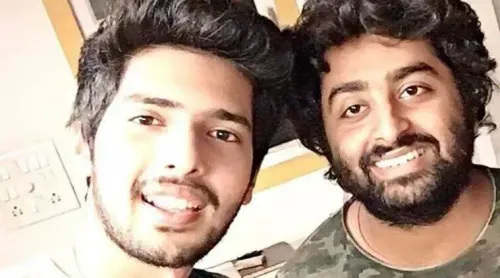
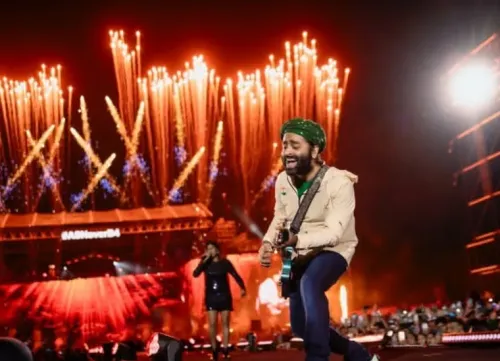
Arijit Singh quit playback singing due to monotony, says lyricist Sameer Anjaan
Synopsis
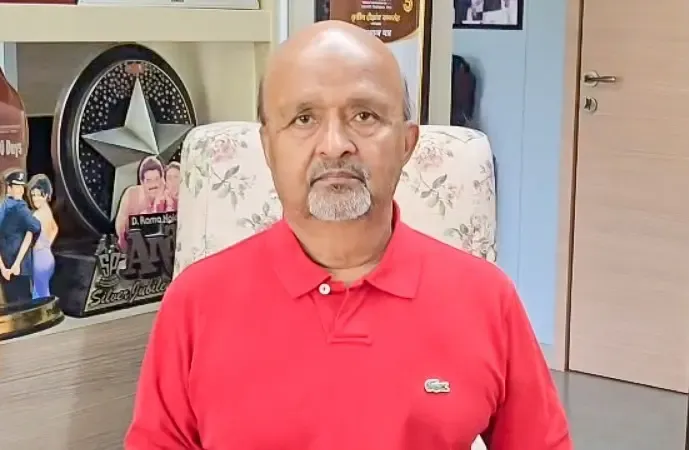
Guinness-record lyricist Sameer Anjaan has broken down why Arijit Singh walked away from playback singing — not personal grievance, but creative suffocation. Bollywood's music machine, he argues, tailored every song to one voice until that voice had nowhere left to go. It is a rare moment of institutional self-criticism from one of Hindi cinema's most celebrated insiders.
Key Takeaways
Veteran lyricist Sameer Anjaan said Arijit Singh left playback singing because he was not getting musical variety, with songs consistently tailored to his style.
Arijit Singh officially announced his retirement from playback singing on 27 January 2026 , saying he would no longer accept new film assignments but would continue making music.
Anjaan compared current Hindi film music unfavourably to an earlier era featuring artists like Udit Narayan , which he said offered far greater variety.
Sameer Anjaan holds a Guinness World Record for writing the highest number of film songs and is a multiple Filmfare Award winner.
His remarks were made on Komal Nahta's podcast 'Game Changers: The Music Series' , available on YouTube.
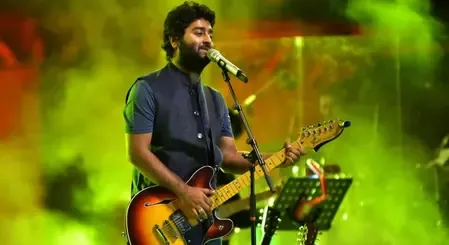
Veteran lyricist Sameer Anjaan has opened up about why superstar singer Arijit Singh stepped away from playback singing, attributing the decision to a lack of musical variety and creative exhaustion. Speaking on Komal Nahta's podcast 'Game Changers: The Music Series', Anjaan offered a candid critique of the current state of Hindi film music.
What Sameer Anjaan Said
During the conversation, Anjaan reflected on the industry's tendency to over-rely on a single voice. 'What is happening to the new artists? People gave multiple opportunities to them. We had one Arijit Singh, but he got so exhausted that he left the industry. We keep hearing the same monotonous songs, with constant repetition. Every song sounds the same,' he said.
He elaborated further: 'Arijit understood that if he continued doing this for longer, he would become monotonous. He wasn't getting a variety of songs, they were tailored to his singing style. All the new singers after him kept singing in the same style. In the previous generation, when we had Udit Narayan and others, there was such variety in music. Nowadays, we don't have that. That is why every sensible person in this line will eventually leave.'
Arijit Singh's Retirement Announcement
Arijit Singh announced his exit from playback singing on 27 January 2026, stating he would no longer accept new playback singing assignments. He clarified, however, that he would continue to create music independently — drawing a distinction between commercial film assignments and his broader artistic pursuits.
The Monotony Problem in Hindi Film Music
Anjaan's remarks point to a structural issue that industry insiders have long whispered about: Bollywood's music ecosystem has grown increasingly formulaic, funnelling composers toward a narrow sonic template built around a single dominant vocal style. This, critics argue, stifles diversity and ultimately burns out the very artists who define an era.
Notably, the homogenisation Anjaan describes mirrors a broader global trend where streaming algorithms reward consistency over variety — incentivising labels and composers to replicate what already works rather than experiment. For a singer of Arijit Singh's calibre, that dynamic reportedly became untenable.
About Sameer Anjaan
Sameer Anjaan holds a Guinness World Record for writing the highest number of film songs and is widely regarded as one of Hindi cinema's most prolific lyricists. A dominant force through the 1990s, he has collaborated with the industry's biggest composers and singers, earning multiple Filmfare Awards for his work. His songwriting — known for emotional depth and accessible romanticism — remains a benchmark in the craft.
The podcast 'Game Changers: The Music Series' is available on YouTube.
Point of View
Overloading its biggest names while leaving little room for stylistic diversity; the Arijit Singh era only made that tendency more visible. The irony is that the same industry that turned Singh into a one-man sonic monopoly is now grappling with the creative void his departure leaves. Until composers and labels are incentivised to back range over reliability, the next generation risks the same fate.
NationPress
16 Sept 2026
Frequently Asked Questions
Why did Arijit Singh leave the playback singing industry?
According to lyricist Sameer Anjaan, Arijit Singh left because he was not receiving a variety of songs — compositions were consistently tailored to his particular singing style, making continued work creatively monotonous. Singh himself announced on 27 January 2026 that he would no longer accept new playback assignments, though he clarified he would keep making music.
What did Sameer Anjaan say about Arijit Singh on the podcast?
Anjaan said Singh 'got so exhausted that he left the industry,' and that every song had begun to sound the same because composers kept writing to Singh's style. He also noted that newer singers adopted the same vocal template, deepening the monotony across Hindi film music.
When did Arijit Singh announce his retirement from playback singing?
Arijit Singh announced his retirement from playback singing on 27 January 2026. He stated he would not accept new playback assignments but made clear he would continue creating music outside the film industry.
Who is Sameer Anjaan and why does his opinion matter?
Sameer Anjaan is one of Hindi cinema's most prolific lyricists, holding a Guinness World Record for writing the highest number of film songs. He was the dominant lyricist of the 1990s and has won multiple Filmfare Awards, making him a credible and authoritative voice on the music industry's structural dynamics.
How does Arijit Singh's era compare to earlier generations of playback singing?
Anjaan drew a direct contrast with an earlier generation that included singers like Udit Narayan, arguing that era offered far greater musical variety. He suggested the current industry's homogeneity — where one style dominates — is what ultimately drives talented artists away.