India's Tourism Sector Set for Rapid Expansion Following Union Budget 2026-27
Synopsis
Discover how India's tourism sector is gearing up for unprecedented growth with targeted initiatives from the Union Budget 2026-27. This budget aims to enhance service quality, boost employment, and promote sustainable development across the country.
Key Takeaways
Union Budget 2026-27 boosts India's tourism sector.
Focus on job creation and sustainable development.
Initiatives include e-bus connectivity and archaeological site development.
Plans for a National Institute of Hospitality to fill skill gaps.
Hosting the Global Big Cat Summit highlights eco-tourism leadership.
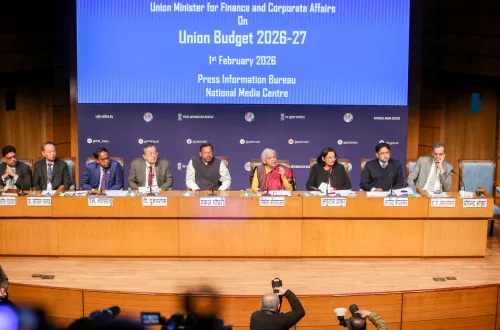
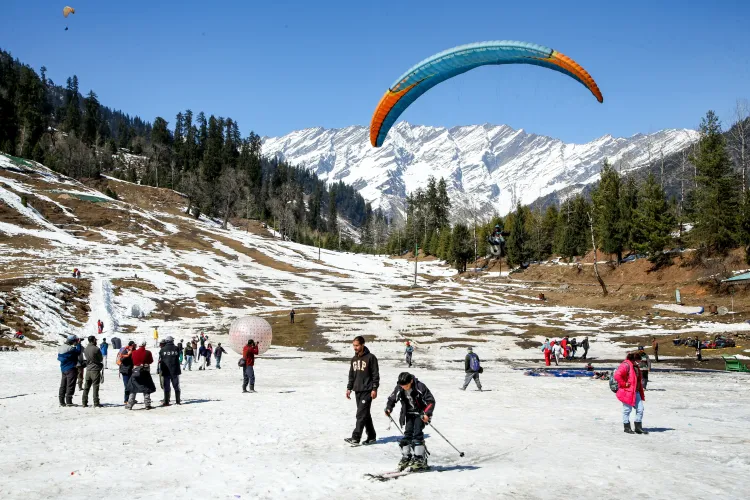
New Delhi, Feb 24 (NationPress) India's tourism industry is set to receive a substantial boost as the Union Budget for 2026-27 unveils a range of strategic initiatives aimed at enhancing institutional capacities, improving service excellence, and elevating destination competitiveness.
Tourism holds remarkable potential for generating employment, earning foreign exchange, and fostering balanced regional development. Given its robust multiplier effect and its ability to create jobs across hospitality, transportation, handicrafts, and related sectors, tourism has been recognized as a pivotal growth engine in the Budget, as detailed in an official factsheet released on Tuesday.
According to the 'India Tourism Data Compendium 2025' from the Ministry of Tourism, the sector accounts for 5.22% of India’s GDP (total impact), with a direct contribution of 2.72%. It also sustains 13.34% of total employment, with a direct share of 5.82%, underscoring its vital role in generating livelihoods and promoting inclusive growth.
Key initiatives anticipated post-Budget presentation include the enhancement of destination development and the modernization of the tourism sector through proposals for heritage and experiential site development, the establishment of digital knowledge grids for tourism assets, and the promotion of nature-oriented and wildlife tourism.
Efforts will be concentrated on safeguarding temples and monasteries, establishing pilgrimage centers, and upgrading connectivity and amenities in regions such as Arunachal Pradesh, Sikkim, Assam, Manipur, Mizoram, and Tripura.
Additionally, five prominent tourism destinations will be developed across the Purvodaya States, supported by the introduction of 4,000 e-buses for improved connectivity. Moreover, five regional medical hubs will be created to position India as a leading destination for medical tourism.
The plans also entail the development of 15 archaeological sites, including Lothal, Dholavira, Rakhigarhi, Adichanallur, Sarnath, Hastinapur, and Leh Palace, aiming to transform these locations into vibrant experiential cultural hubs.
As part of this initiative, India is set to host the inaugural Global Big Cat Summit, gathering leaders and ministers from 95 countries, further cementing India's leadership in eco-tourism diplomacy.
Additional strategies to accelerate tourism growth involve establishing a National Institute of Hospitality to fill skill gaps and align education with industry needs, alongside a pilot program to enhance the skills of 10,000 tourist guides at iconic locations in collaboration with leading institutions. These initiatives are designed to boost workforce productivity and elevate visitor experiences across crucial tourism circuits.
In summary, the Union Budget 2026–27 situates tourism as a resilient and impactful sector within India's economic landscape, focusing on job creation, investment encouragement, and sustainable growth across various regions, as highlighted by the factsheet.
Point of View
It is evident that this budget reflects a strong commitment to revitalizing the tourism sector, which is crucial for India's economic resilience. By focusing on job creation and sustainable growth, the government is prioritizing not just economic recovery, but also inclusive development across all regions.
NationPress
25 Sept 2026
Frequently Asked Questions
What are the key initiatives for India's tourism sector in the 2026-27 Budget?
The budget proposes targeted interventions including destination development, modernization of the tourism sector, and the establishment of a National Institute of Hospitality to address skill gaps.
How does tourism contribute to India's economy?
Tourism contributes 5.22% to India's GDP and supports 13.34% of total employment, making it a vital sector for job creation and economic growth.
What are the plans for archaeological site development?
The budget includes the development of 15 archaeological sites with the aim of transforming them into vibrant cultural destinations.
How will connectivity improve in tourist regions?
The introduction of 4,000 e-buses is among the proposals to enhance connectivity across major tourism destinations in the Purvodaya States.
What is the significance of the Global Big Cat Summit?
The summit will bring together leaders from 95 countries, reinforcing India's role in eco-tourism and global environmental diplomacy.