Dengue, swine flu cases surge in Tamil Nadu ahead of monsoon season
Synopsis
Tamil Nadu's dengue caseload nearly doubled in August compared to the same month last year, and the state now ranks second nationally for swine flu infections — all before the monsoon's peak. With 13,573 dengue cases and 9 deaths already recorded, the coming weeks will test whether the state's public health machinery can hold the line.
Key Takeaways
Tamil Nadu recorded 13,573 dengue cases and 9 deaths between 1 January and 30 August 2025 .
August 2025 saw 3,315 dengue cases — nearly double the 1,832 recorded in August 2024.
Chennai leads with 2,584 cases ; Coimbatore follows with 1,999 cases .
Tamil Nadu has reported more than 1,500 swine flu cases in 2025, ranking second nationally ; swine flu cases in August jumped from 46 to 645 year-on-year.
Doctors advise swine flu patients to isolate for at least five days and urge elimination of stagnant water to curb dengue spread.
The full monsoon period — historically the highest-risk window — is still ahead, raising concern about further case escalation.
Tamil Nadu is recording a sharp year-on-year rise in both dengue and swine flu infections, with doctors and public health officials urging heightened vigilance as the monsoon season — historically the peak period for vector-borne and respiratory illnesses — draws closer. The state's Public Health Department has released data showing the trend accelerating through July and August 2025.
Dengue Cases: The Numbers
Between 1 January and 30 August 2025, Tamil Nadu recorded 13,573 dengue cases and nine deaths, according to state health data. While the fatality rate remains relatively low, the monthly trajectory is concerning. Cases stood at 1,722 in January, dipped to 1,062 in May, then climbed sharply — 1,384 in June, 2,339 in July, and 3,315 in August.
The year-on-year comparison is particularly stark. July infections rose from 1,880 in 2024 to 2,339 this year, while August infections nearly doubled, jumping from 1,832 to 3,315. Notably, Tamil Nadu reported 25,533 dengue cases for the full year in 2024 — a figure the state is now on pace to approach or exceed well before year-end.
District Hotspots: Chennai and Coimbatore Lead
Chennai accounts for the highest share of infections, with 2,584 cases out of the state total of 13,573 between January and August. Coimbatore follows with 1,999 cases. Government doctors attributed Chennai's disproportionate burden to its high population density and inadequate adherence to public-health precautions at the community level.
Swine Flu Surge: Tamil Nadu Ranks Second Nationally
Swine flu infections have also risen sharply. Tamil Nadu has recorded more than 1,500 swine flu cases so far this year, placing it second among all states in the country by infection count, according to health data. The August spike is especially striking — cases climbed from just 46 in August 2024 to 645 in August 2025, a more than 14-fold increase in a single month.
Health data indicate that the bulk of the rise was concentrated in June, July, and August, mirroring the dengue pattern and suggesting a shared seasonal driver linked to weather conditions and human behaviour.
What Doctors Are Advising
Medical professionals have outlined specific guidance for both diseases. For swine flu, patients are advised to isolate for at least five days from the onset of symptoms. Those experiencing fever or respiratory symptoms should avoid crowded public spaces and wear masks where appropriate, and seek medical attention without delay.
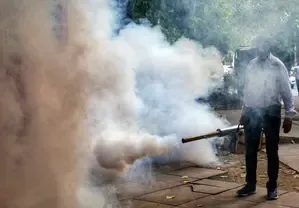
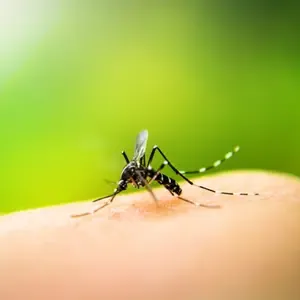
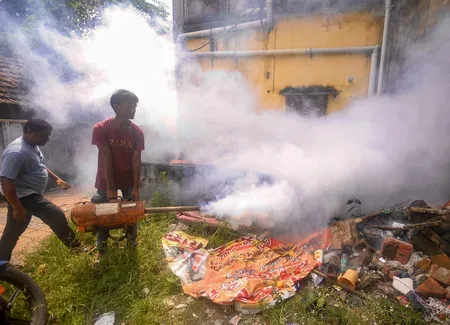
For dengue prevention, authorities are stressing the elimination of stagnant water and mosquito-breeding sites around homes and workplaces. Doctors emphasised that environmental cleanliness, sustained mosquito control, public awareness campaigns, and early treatment will be critical in preventing a further surge as the rainy months set in.
What Comes Next
The data through August represent only the pre-monsoon phase; the full monsoon period — typically the highest-risk window for dengue — is still ahead. Health officials warn that without aggressive community-level intervention, case counts could climb significantly in September and October. The state's response in the coming weeks will be closely watched given Tamil Nadu's second-place national ranking on swine flu and the accelerating dengue curve.
Point of View
Not just seasonal variation. The fact that Chennai, with its concentrated resources, still leads state caseloads suggests that urban density is outpacing containment capacity. If the state does not move beyond advisories to enforcement-level mosquito control and mass awareness in the next few weeks, the post-monsoon tally could significantly exceed 2024's full-year figure of 25,533.
NationPress
5 Sept 2026
Frequently Asked Questions
How many dengue cases has Tamil Nadu reported in 2025?
Tamil Nadu recorded 13,573 dengue cases and nine deaths between 1 January and 30 August 2025, according to state Public Health Department data. Cases have been rising sharply since June, with August alone accounting for 3,315 infections.
Why are dengue and swine flu cases rising in Tamil Nadu?
Government doctors cite Chennai's high population density and inadequate adherence to public-health precautions as key contributors. Seasonal factors tied to pre-monsoon weather conditions are also driving the uptick in both vector-borne and respiratory infections.
Where does Tamil Nadu rank nationally on swine flu cases?
Tamil Nadu ranks second among all states in India for swine flu infections in 2025, with more than 1,500 cases recorded so far. August 2025 saw a particularly sharp spike, with cases rising from 46 to 645 compared to the same month last year.
Which districts in Tamil Nadu have the most dengue cases?
Chennai has reported the highest number of dengue cases — 2,584 out of the state total of 13,573 between January and August 2025. Coimbatore follows with 1,999 cases.
What precautions are doctors recommending for dengue and swine flu?
For swine flu, doctors advise patients to isolate for at least five days, avoid crowded spaces, wear masks where appropriate, and seek timely medical care. For dengue, authorities stress eliminating stagnant water and mosquito-breeding sites around homes and workplaces.