HPV vaccine doses cross 1 crore in India, says Modi
Synopsis
India has administered more than 1 crore HPV vaccine doses, reaching nearly 87 per cent of the annual eligible cohort, according to the Health Minister. Prime Minister Narendra Modi called it a preventive healthcare milestone; six states were reported to have achieved 100 per cent coverage.
Key Takeaways
India has administered more than 1 crore HPV vaccine doses , according to Union Health Minister J.P.
The doses cover nearly 87 per cent of the annual cohort of eligible girls, Nadda said.
Nadda reported 100 per cent coverage in Gujarat , Uttar Pradesh , Andhra Pradesh , Mizoram , Madhya Pradesh and Bihar .
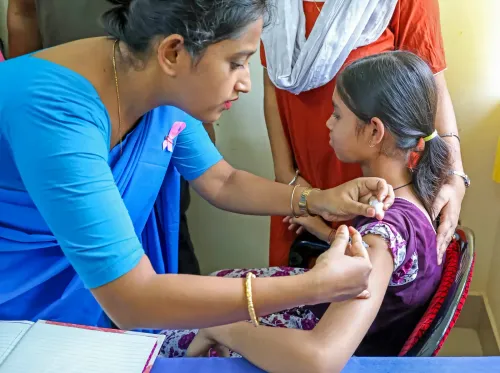
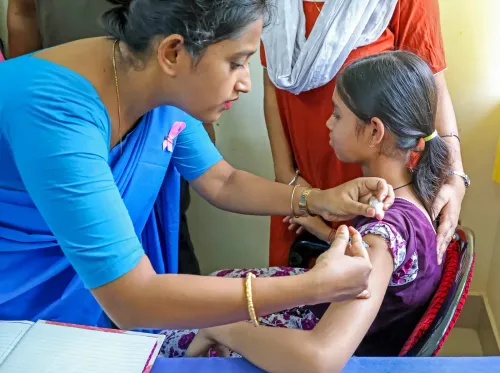
Eligible 14-year-old girls can receive a free single-dose HPV vaccine through government health facilities and the U-WIN platform, according to Nadda.
The World Health Organisation recommends HPV vaccination for girls aged 9 to 14 years , alongside regular cervical screening.
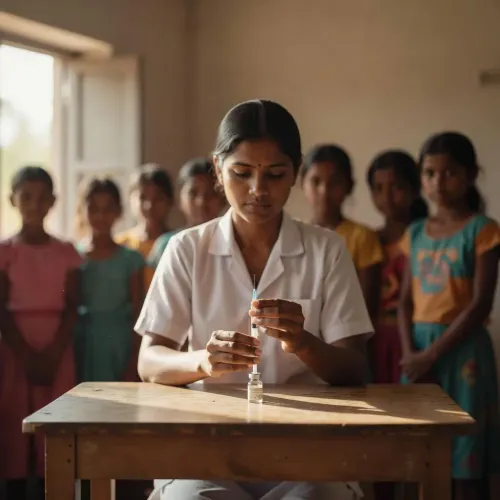
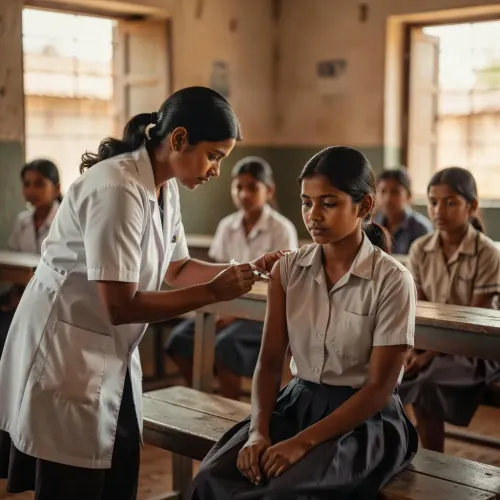
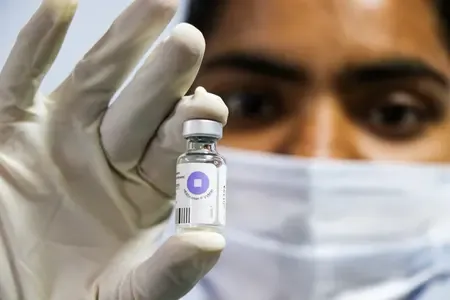
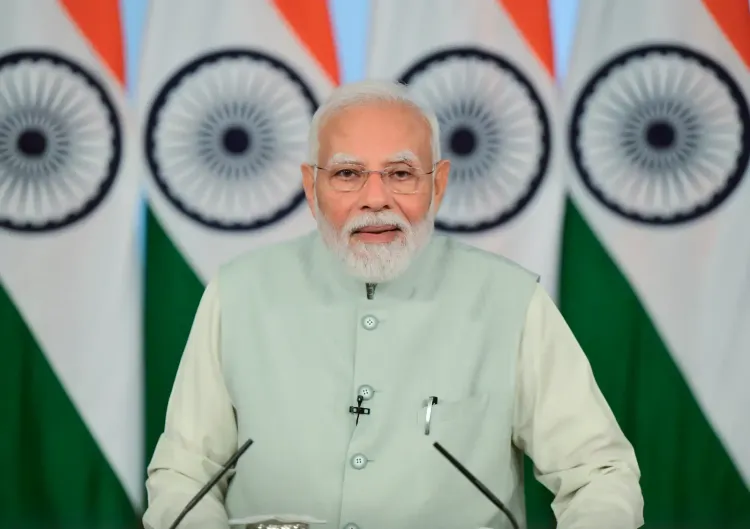
India has administered more than 1 crore HPV vaccine doses, covering nearly 87 per cent of the annual cohort of eligible girls, Prime Minister Narendra Modi said on Monday, 23 November. In a post on X, Modi called the achievement a significant milestone for preventive healthcare and said each dose helped protect girls against cervical cancer.
The Prime Minister shared a post by Union Health Minister J.P. Nadda, who said the National HPV Vaccination Campaign reached the milestone in less than nine months after its launch by Modi. The year was not specified in the information provided.
Modi and Nadda on the milestone
Modi commended the stakeholders involved in the vaccination effort. “A significant milestone in our journey towards preventive healthcare. Every dose is a step towards protecting girls from cervical cancer and ensuring a healthier future for them. I commend all the stakeholders whose efforts have ensured this remarkable feat,” he wrote.
Nadda announced the coverage figures in a post on Saturday. He credited state governments, Union Territories, healthcare professionals, frontline health workers and parents for the campaign's progress.
State coverage and eligibility
Nadda congratulated Gujarat, Uttar Pradesh, Andhra Pradesh, Mizoram, Madhya Pradesh and Bihar for achieving 100 per cent coverage. He also said 12 states had crossed the 80 per cent mark.
According to the Health Minister, eligible 14-year-old girls can receive a free single-dose HPV vaccination through government health facilities and the U-WIN platform. The reported national figure represents nearly 87 per cent of the annual eligible cohort, while the state figures describe coverage reported for individual states.
The announcement did not specify a breakdown for every state or Union Territory. It also did not provide a timetable for reaching girls who remain outside the reported coverage figures.
HPV vaccination and cervical cancer prevention
Human papillomavirus, or HPV, refers to a group of more than 200 related viruses that can infect the skin and mucous membranes. The virus spreads primarily through direct skin-to-skin contact, including sexual contact.
Most HPV infections cause no symptoms and clear naturally within one to two years. Some types, however, can cause genital warts or cancers, including cervical cancer.
HPV vaccines protect against high-risk strains responsible for most HPV-related cancers and low-risk strains that cause genital warts. The World Health Organisation recommends HPV vaccination for girls aged 9 to 14 years as a key measure against cervical cancer.
The organisation also recommends regular cervical screening to detect and treat precancerous conditions. Vaccination and screening therefore address different stages of prevention: vaccination helps protect against HPV infection, while screening looks for precancerous changes.
What the coverage figures mean
The campaign's reported reach places attention on access for eligible girls as well as the work of health professionals and families who support vaccination. The figures cited by Nadda distinguish the national proportion from coverage reported by individual states.
Government health facilities and the U-WIN platform remain the routes identified by the minister for eligible girls seeking the free vaccine. Further updates would clarify progress towards reaching the remainder of the annual eligible cohort.
Point of View
But it should not obscure differences in access between states and communities. Public accountability now depends on clear, regular reporting on the eligible population, those reached and those still left out. Vaccination is a major preventive measure, but it should be accompanied by sustained access to cervical screening.
NationPress
23 Nov 2026
Frequently Asked Questions
How many HPV vaccine doses has India administered?
India has administered more than 1 crore HPV vaccine doses, according to Union Health Minister J.P. Nadda. He said this covered nearly 87 per cent of the annual cohort of eligible girls.
Who is eligible for the free HPV vaccine in India?
Eligible 14-year-old girls can receive the free single-dose HPV vaccine, according to Nadda. He said it is available through government health facilities and the U-WIN platform.
Which states reported 100 per cent HPV vaccine coverage?
Gujarat, Uttar Pradesh, Andhra Pradesh, Mizoram, Madhya Pradesh and Bihar achieved 100 per cent coverage, according to Nadda. He also said 12 states had crossed 80 per cent coverage.
Why does HPV vaccination matter?
HPV vaccination helps protect against virus strains responsible for most HPV-related cancers, including cervical cancer. The World Health Organisation also recommends regular cervical screening to detect and treat precancerous conditions.
What happens next in India's HPV vaccination campaign?
The announcement did not specify a timetable for reaching the remaining eligible girls. Nadda said free vaccination was available through government health facilities and the U-WIN platform.