Nadda: India's HPV Drive Crosses 1 Crore Doses, Hits 87% Coverage
Synopsis
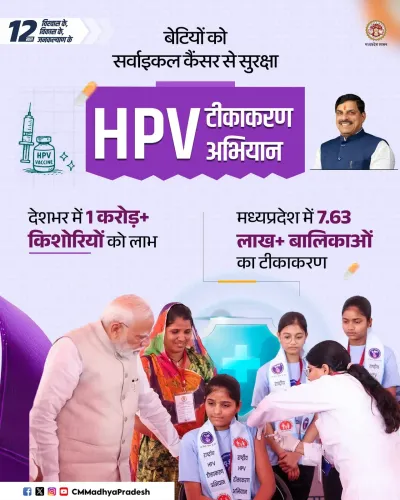
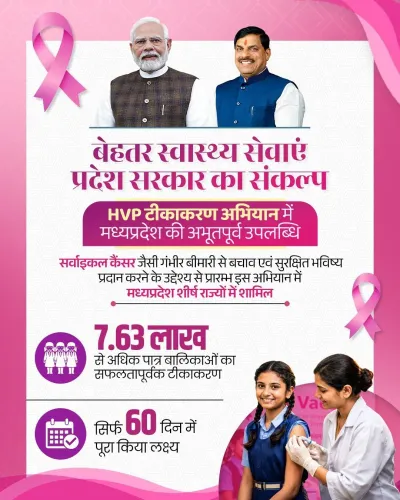
Union Health Minister J. P. Nadda announced India's National HPV Vaccination Campaign has crossed 1 crore doses and covered nearly 87% of eligible 14-year-old girls in under nine months since PM Modi's launch. Gujarat, Uttar Pradesh, Andhra Pradesh, Mizoram, Madhya Pradesh and Bihar achieved 100% coverage; 12 more states crossed 80%.
Key Takeaways
1 crore HPV vaccine doses administered in under nine months since the National HPV Vaccination Campaign launched under PM Modi.
Coverage stands at nearly 87% of the annual cohort of eligible 14-year-old girls .
Six states — Gujarat, Uttar Pradesh, Andhra Pradesh, Mizoram, Madhya Pradesh and Bihar — have achieved 100% coverage .
An additional 12 states have surpassed the 80% coverage threshold.
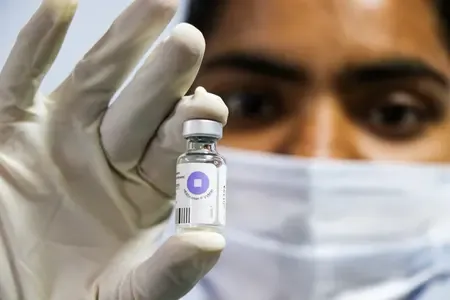
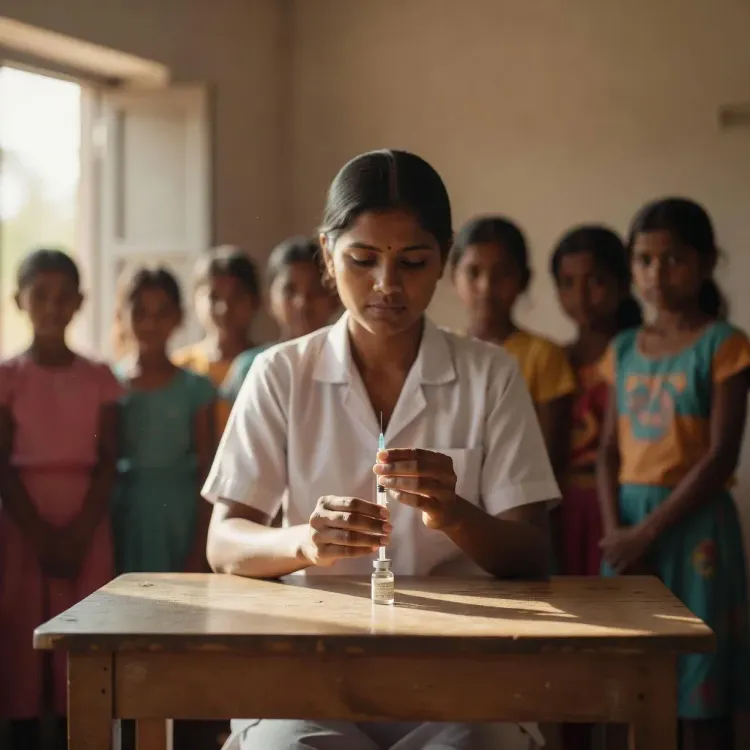
The vaccine is delivered as a free, single-dose regimen through government health facilities and the U-WIN digital platform.
HPV vaccination targets prevention of cervical cancer , one of the leading causes of cancer mortality among Indian women.
Less than nine months after Prime Minister Narendra Modi launched it, India's National HPV Vaccination Campaign has crossed 1 crore doses — shielding nearly 87 percent of the annual cohort of eligible girls from cervical cancer, one of the most preventable yet persistently deadly cancers among Indian women. Union Health Minister J. P. Nadda announced the milestone on Saturday, 21 November 2026, calling it a historic step in protecting India's daughters.
Six States Hit 100% — and a Dozen More Cross 80%
The numbers behind the headline are striking. Gujarat, Uttar Pradesh, Andhra Pradesh, Mizoram, Madhya Pradesh and Bihar have each achieved 100% coverage of their eligible cohorts — a list that spans geography, population size, and administrative complexity, from the tribal northeast to the Hindi heartland. A further 12 states have surpassed the 80% mark, signalling that this is not a metro-centric success story but a nationwide push that has reached district hospitals, primary health centres, and the last-mile frontline worker.
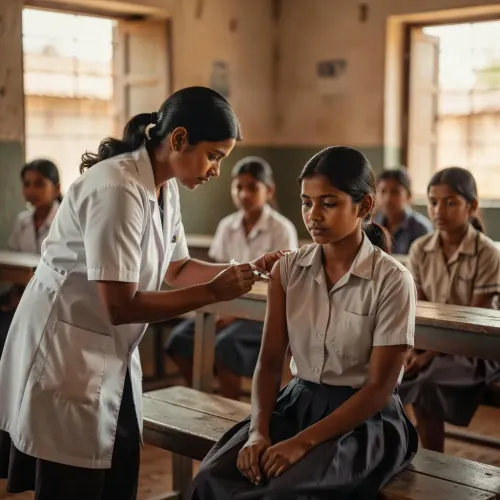
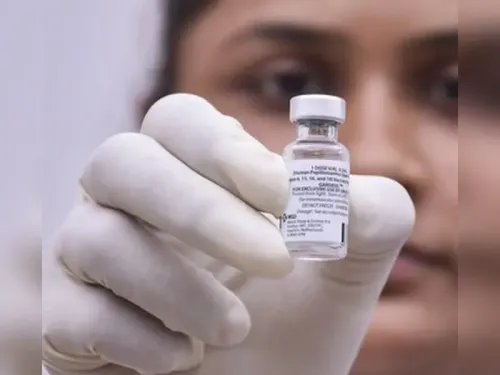
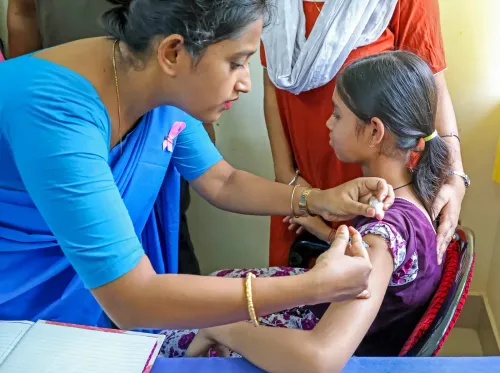
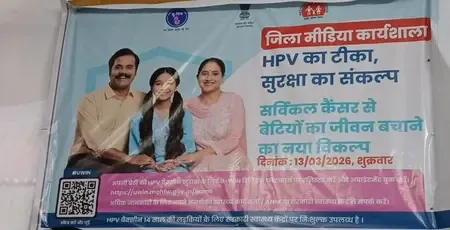
The campaign targets 14-year-old girls and delivers a single-dose HPV vaccine free of cost through government health facilities and the U-WIN digital platform, which tracks routine vaccination records. The single-dose protocol — aligned with updated WHO guidance — dramatically simplifies logistics compared with earlier multi-dose schedules, a design choice that appears to have paid off in coverage velocity.
Why Cervical Cancer Made This Urgent
Cervical cancer remains one of the leading causes of cancer-related mortality among Indian women. The disease is caused in the overwhelming majority of cases by persistent infection with the Human Papillomavirus (HPV), making vaccination at pre-exposure age the single most effective preventive tool available. India's Universal Immunisation Programme has historically focused on early-childhood diseases; the HPV campaign marks a deliberate expansion into adolescent preventive health — a structural shift in how the government frames the programme's ambition.
Nadda credited the result to 'the collective commitment of States/UTs, healthcare professionals, frontline health workers and parents across the country' — a coalition that, in practice, means ASHA workers, school-level outreach, and state health secretaries all pulling in the same direction simultaneously.
What 87% in Nine Months Actually Means
Reaching 87% of an annual birth cohort in under nine months for a brand-new adolescent vaccine — not a childhood jab with decades of infrastructure behind it — is a logistical achievement worth contextualising. Adolescent vaccination programmes globally have historically struggled with school-based access gaps, parental hesitancy, and cold-chain constraints. India's result, if sustained, would place the country on a trajectory toward the WHO's 90% coverage target for cervical cancer elimination — a goal that requires sustained high coverage over multiple years, not a single sprint.
The U-WIN platform's role in tracking coverage in real time gave administrators a live dashboard to identify lagging districts and redirect outreach — a data-driven accountability layer that older immunisation drives lacked.
One crore doses in nine months is a number. Preventing a generation of Indian women from ever facing a cervical cancer diagnosis is the point — and the campaign is now close enough to make that future feel real.
Point of View
Digital tracking via U-WIN, and genuine centre-state coordination. The political optics are deliberate: crediting six states spanning the BJP's core belt and coalition partners signals that health delivery is being used as a governance showcase ahead of state electoral cycles. The harder test is sustaining 87% coverage year-on-year across successive cohorts — a multi-year commitment that requires institutionalising school-based delivery rather than relying on campaign-mode mobilisation. If India holds that trajectory, it becomes one of the few low-and-middle-income countries on a credible path to meeting the WHO's cervical cancer elimination targets.
NationPress
21 Nov 2026
Frequently Asked Questions
What is the National HPV Vaccination Campaign in India?
The National HPV Vaccination Campaign is a government initiative that provides a free, single-dose HPV vaccine to eligible 14-year-old girls through government health facilities and the U-WIN digital platform, aimed at preventing cervical cancer.
Which states achieved 100% HPV vaccine coverage in India?
Gujarat, Uttar Pradesh, Andhra Pradesh, Mizoram, Madhya Pradesh and Bihar have each achieved 100% coverage of their eligible cohorts under the National HPV Vaccination Campaign.
How many HPV vaccine doses has India administered so far?
India has administered over 1 crore HPV vaccine doses, covering nearly 87% of the annual cohort of eligible 14-year-old girls, in less than nine months since the campaign's launch.
What is U-WIN and how does it relate to HPV vaccination?
U-WIN is the government's digital platform for registering and tracking routine vaccinations. It is being used to monitor HPV vaccination coverage in real time, helping administrators identify gaps and direct outreach to under-served areas.
Why is HPV vaccination important for girls in India?
Cervical cancer, caused primarily by persistent HPV infection, is one of the leading causes of cancer mortality among Indian women. Vaccinating girls before exposure to the virus is the most effective preventive measure available, and a single-dose protocol makes large-scale delivery feasible.