India's HPV vaccine drive crosses 80 lakh doses in 7 months, 4 states hit 100% coverage
Synopsis
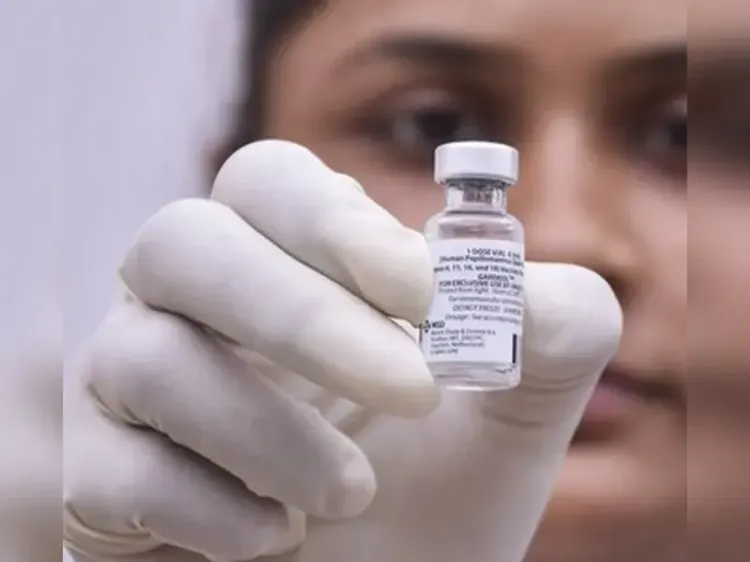
Seven months after launch, India's National HPV Vaccination Campaign has administered over 80 lakh free doses to 14-year-old girls — with four states already at 100% coverage. The campaign's use of the U-WIN digital platform for real-time tracking marks a structural shift in how India manages mass immunisation drives, and signals that cervical cancer prevention is now a mainstream public health priority.
Key Takeaways
India has administered over 80 lakh HPV vaccine doses since the campaign launched in February 2026 .
Gujarat , Uttar Pradesh , Madhya Pradesh , and Mizoram have achieved 100 per cent coverage of their target populations.
Bihar , Andhra Pradesh , and Assam have crossed 90 per cent coverage; Karnataka has exceeded 85 per cent .
Approximately 1.2 crore girls aged 14 form the annual beneficiary cohort, per RGI 2021 estimates.
The U-WIN platform is being used to track coverage gaps and missed beneficiaries at the district level in real time.
The campaign is free, voluntary, single-dose, and requires parental consent at government health facilities.
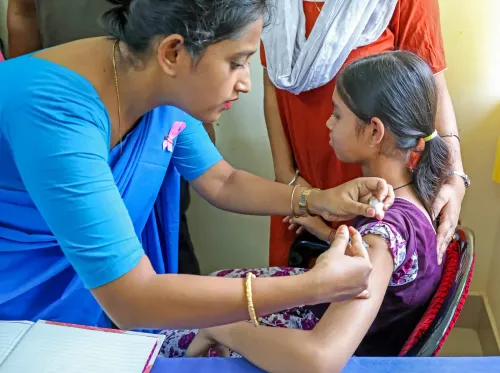
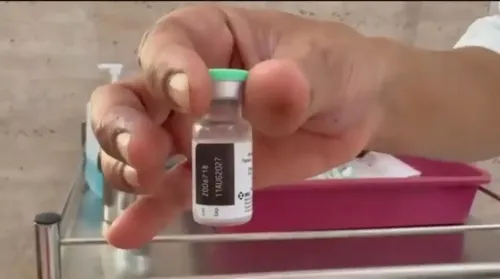
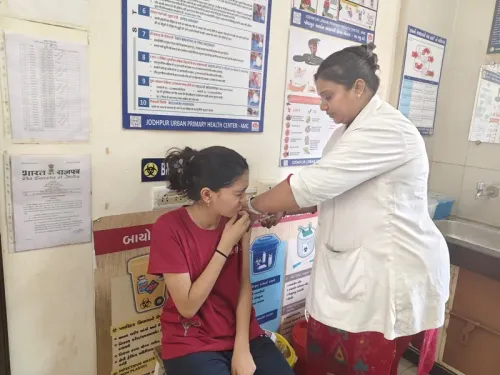
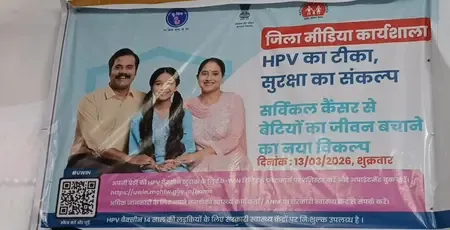
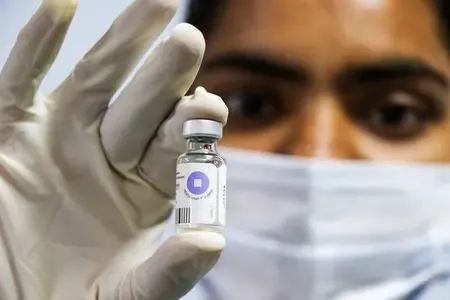
India has crossed a landmark milestone in its fight against cervical cancer, with over 80 lakh doses of the Human Papillomavirus (HPV) vaccine administered under the National HPV Vaccination Campaign since its launch in February 2026, the Ministry of Health and Family Welfare confirmed in an official statement on 11 September 2026. The campaign, which offers free, voluntary, single-dose vaccination to 14-year-old girls at government health facilities, is now entering its final phase.
State-wise Coverage Progress
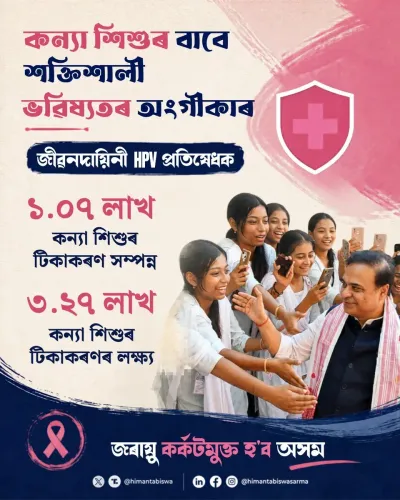
Gujarat, Uttar Pradesh, Madhya Pradesh, and Mizoram have achieved 100 per cent coverage of their identified target populations — a significant logistical achievement given the scale and geographic diversity involved. Bihar, Andhra Pradesh, and Assam have each crossed 90 per cent coverage, while Karnataka has surpassed 85 per cent. Chhattisgarh, Sikkim, Kerala, Telangana, and Odisha have crossed the 60 per cent threshold.
Notably, the progress in Assam and other Northeastern states demonstrates the effectiveness of integrated community health networks and coordinated field-level action in reaching geographically dispersed populations.
Who Is Behind the Drive
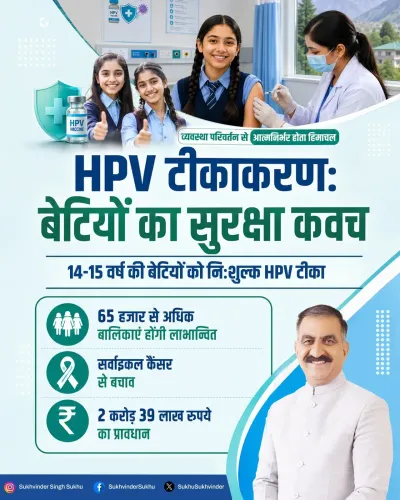
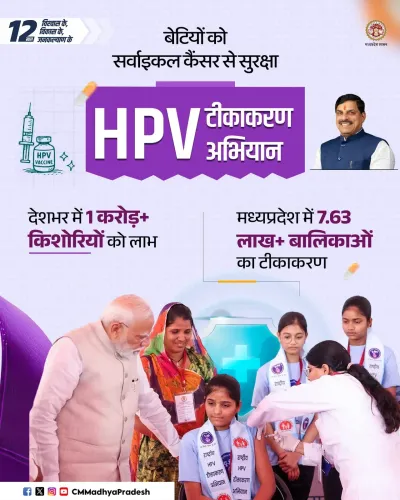
The campaign was launched by Prime Minister Narendra Modi in February 2026, making it one of the most ambitious public health initiatives of his current term. According to Registrar General of India (RGI) 2021 estimates, approximately 1.2 crore girls form the annual cohort of 14-year-olds who are expected to benefit from the initiative each year.
Healthcare providers — including paediatricians, gynaecologists, and specialists from institutions such as the All India Institute of Medical Sciences (AIIMS) — along with teachers and frontline health workers including ASHAs and ANMs, have supported awareness and community mobilisation across states and districts.
Digital Infrastructure and Safety Monitoring
The campaign has leveraged India's expanding digital health architecture through the U-WIN platform, which enables programme managers to monitor district-level vaccination coverage in real time, identify missed beneficiaries, and optimise resource allocation. All vaccination sessions are conducted under the supervision of trained medical officers at government health facilities.
Government facilities are also linked with 24×7 healthcare centres to manage rare Adverse Events Following Immunization (AEFI), ensuring timely assessment and clinical response in the event of any vaccination-related complication.
India in the Global Context
India's rapid uptake places it in the company of nations accelerating cervical cancer prevention through national immunisation frameworks. According to the ministry's statement, currently 87 per cent of upper-middle-income countries, 78 per cent of lower-middle-income countries, and 54 per cent of low-income countries have adopted HPV vaccines in their national immunisation programmes.
Cervical cancer is the second most common cancer among women in India, making the scale of this campaign a direct public health priority. The Ministry of Health and Family Welfare said it continues to work closely with states, Union Territories, and frontline workers to ensure that no eligible girl is left behind as the drive moves toward completion.
Point of View
But the headline figure obscures a widening gap between the leading states and the laggards. Four states at 100 per cent and five states still below 60 per cent is not a uniform success — it reflects India's persistent last-mile disparity in healthcare delivery. The U-WIN platform's real-time gap tracking is a genuine structural improvement, but its effectiveness depends on whether states act on that data or merely generate it. Cervical cancer kills roughly 77,000 Indian women a year; the final-phase push to reach the remaining eligible girls is where the campaign will be truly judged.
NationPress
13 Sept 2026
Frequently Asked Questions
What is India's National HPV Vaccination Campaign?
It is a government-run public health drive launched by Prime Minister Narendra Modi in February 2026 that provides free, voluntary, single-dose HPV vaccination to 14-year-old girls at government health facilities with parental consent. The campaign aims to prevent cervical cancer, the second most common cancer among women in India.
How many HPV vaccine doses have been administered so far?
Over 80 lakh doses have been administered under the National HPV Vaccination Campaign as of 11 September 2026, according to the Ministry of Health and Family Welfare. The campaign has been running for approximately seven months since its February 2026 launch.
Which states have achieved 100 per cent HPV vaccination coverage?
Gujarat, Uttar Pradesh, Madhya Pradesh, and Mizoram have each achieved 100 per cent coverage of their identified target populations. Bihar, Andhra Pradesh, and Assam are close behind at over 90 per cent coverage.
Who is eligible for the free HPV vaccine under the campaign?
Girls aged 14 years are the target beneficiaries, with vaccination provided free of cost at government health facilities and requiring parental consent. According to RGI 2021 estimates, approximately 1.2 crore girls form this annual cohort nationally.
How is the government tracking HPV vaccination progress across districts?
The campaign uses the U-WIN digital health platform to monitor vaccination coverage at the district level in real time, helping programme managers identify coverage gaps and missed beneficiaries for better resource allocation. All sessions are supervised by trained medical officers, and facilities are linked to 24x7 centres to manage any rare adverse events.