Maharashtra's 'Know Your Doctor' QR system targets 1.4 lakh registered medics
Synopsis
Maharashtra has deployed a QR code system so citizens can check a doctor's registration on the spot — a direct response to 89 criminal cases filed against bogus practitioners since 2015. With 1.4 lakh registered doctors and nearly 13,000 new MBBS graduates entering the system annually, the state's challenge is less supply and more verification at the last mile.
Key Takeaways
The Maharashtra Medical Council has launched the 'Know Your Doctor' QR code system to let citizens verify a doctor's registration in real time.
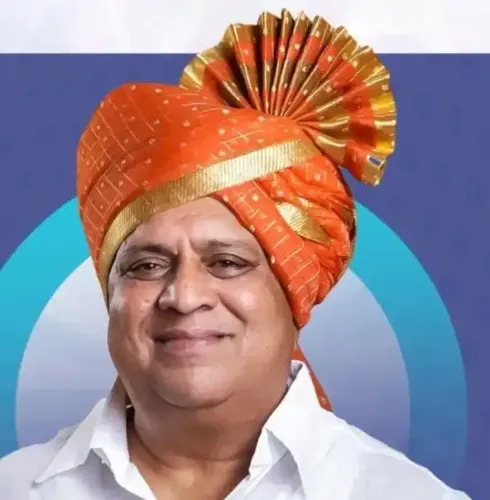
Medical Education Minister Hasan Mushrif announced the initiative in the State Legislative Assembly on 24 June .
Maharashtra has approximately 1,40,000 registered doctors; around 12,824 new MBBS graduates join annually.
A total of 89 criminal cases against unauthorised practitioners were registered between 2015 and 2026 .
Penalties include up to ₹50 lakh fine under NMC guidelines and up to 10 years' rigorous imprisonment for repeat offenders under state law.
District and taluka monitoring committees will be restructured to include local public representatives for stronger oversight.
The Maharashtra Medical Council has launched a QR code-based verification system called 'Know Your Doctor', allowing citizens to instantly confirm whether a medical professional holds a valid registration to practise. Medical Education Minister Hasan Mushrif made the announcement in the Maharashtra State Legislative Assembly on Wednesday, 24 June, while responding to a question raised during Question Hour by MLA Vijay Deshmukh on action taken against bogus doctors in Solapur district.
How the QR System Works
By scanning the QR code linked to a doctor, any citizen can verify in real time whether that practitioner is legally registered under the relevant medical council. The system covers registrations across MBBS, Post-Graduate Medical Education, Ayurveda (BAMS), Homoeopathy (BHMS), Unani, and Dental sciences. Minister Mushrif described individuals practising without such mandatory registrations as 'bogus doctors' — the primary target of this initiative.
Maharashtra currently has approximately 1,40,000 registered doctors actively providing healthcare services, with around 12,824 new MBBS graduates entering the state's medical field every year, according to figures shared by the Minister.
Scale of the Problem: 89 Cases in 11 Years
Between 2015 and 2026, a total of 89 criminal cases have been registered against unauthorised medical practitioners across Maharashtra. The figure underscores a persistent challenge: despite legal deterrents, unregistered practitioners continue to operate, particularly in districts outside major urban centres. Notably, the question itself was triggered by concerns specific to Solapur district, suggesting the problem is not confined to rural pockets alone.
This comes amid broader national concerns about quackery in healthcare, with the National Medical Commission (NMC) having tightened guidelines in recent years. Maharashtra's QR-based approach is among the more technology-forward state responses to the issue.
Monitoring Committees and Oversight Structure
The state has established dedicated monitoring bodies at two levels. District-level committees function under the chairmanship of District Collectors, while taluka-level committees operate under the chairmanship of Tehsildars. Minister Mushrif announced that these committees will soon be restructured to include local public representatives, aimed at strengthening community-level oversight.
MLAs Rahul Kul and Rahul Patil also raised supplementary questions on the matter during the session, reflecting broader legislative concern about enforcement gaps.
Legal Consequences for Unauthorised Practice
The state has pointed to stringent legal provisions already on the books. Under NMC Guidelines, offenders face up to 1 year of imprisonment or a fine of up to ₹50 lakh. The Maharashtra Medical Practitioners Act prescribes up to 2 years' imprisonment or a fine for a first offence, while repeat offenders face up to 10 years' rigorous imprisonment.
Minister Mushrif also stated that the government supports amending the PC-PNDT (Pre-Conception and Pre-Natal Diagnostic Techniques) Act to ensure that those who endanger citizens' lives face the harshest possible punishment under law.
What Comes Next
The restructuring of district and taluka monitoring committees to include elected representatives is expected to be completed in the near term, though no specific deadline was announced. The 'Know Your Doctor' QR system is now operational, and wider public awareness campaigns will be critical to its uptake — particularly in semi-urban and rural areas where bogus practitioners are most active.
Point of View
But its real test is adoption: a citizen in a semi-urban clinic must know to scan it, and the database must be current. The proposal to add elected representatives to monitoring committees is politically intuitive but operationally untested; accountability without technical capacity rarely moves the needle. The more telling signal will be whether the PC-PNDT amendment the Minister referenced actually reaches the floor — that is where enforcement teeth are sharpest.
NationPress
22 Sept 2026
Frequently Asked Questions
What is Maharashtra's 'Know Your Doctor' QR system?
It is a QR code-based verification tool launched by the Maharashtra Medical Council that allows citizens to instantly check whether a doctor is legally registered to practise medicine. Scanning the code confirms registration status across MBBS, Ayurveda, Homoeopathy, Unani, and Dental disciplines.
Why was the 'Know Your Doctor' system introduced?
The system was introduced to combat the practice of unregistered, bogus doctors operating across Maharashtra. Between 2015 and 2026, 89 criminal cases were filed against such practitioners, and the initiative aims to empower citizens to verify credentials before seeking treatment.
What are the penalties for practising medicine without registration in Maharashtra?
Under NMC Guidelines, offenders face up to 1 year of imprisonment or a fine of up to ₹50 lakh. The Maharashtra Medical Practitioners Act prescribes up to 2 years' imprisonment for a first offence, with repeat offenders facing up to 10 years' rigorous imprisonment.
Who oversees action against bogus doctors in Maharashtra?
District-level committees chaired by District Collectors and taluka-level committees chaired by Tehsildars currently monitor unauthorised medical practice. These bodies are set to be restructured to include local public representatives for stronger community-level oversight.
How many registered doctors does Maharashtra have?
Maharashtra has approximately 1,40,000 registered doctors actively providing healthcare services, with around 12,824 new MBBS graduates entering the state's medical field each year, according to figures shared by Medical Education Minister Hasan Mushrif.