RBSK 2.0 Guidelines: India expands child health screening to mental health, NCDs
Synopsis
India's child health screening programme just got its biggest overhaul in over a decade. RBSK 2.0 now covers mental health, diabetes risk, and hypertension in children — alongside digital health cards and real-time tracking — signalling a fundamental shift from survival-focused care to holistic child development.
Key Takeaways
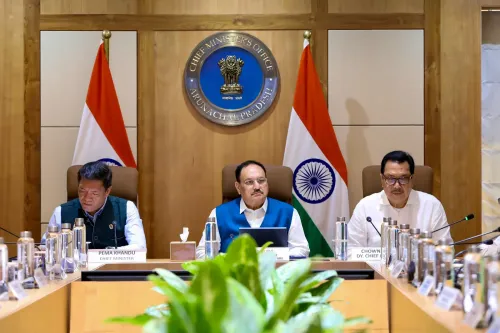
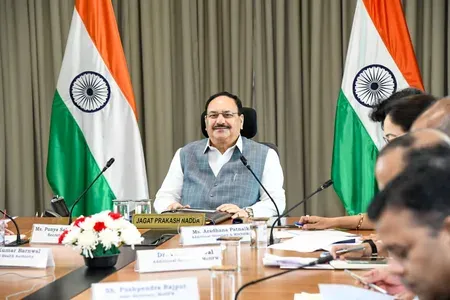
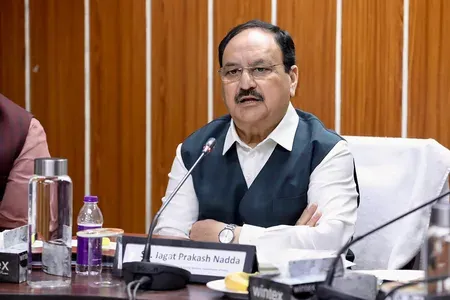
The Ministry of Health and Family Welfare released RBSK 2.0 Guidelines at a recent national summit in New Delhi .
The updated programme expands screening to include mental health conditions , NCDs (diabetes, hypertension), and behavioural concerns for children aged birth to 18 years .
The foundational 4Ds framework — Defects at Birth, Diseases, Deficiencies, Developmental Delays — is retained and broadened.
Digital health cards and real-time data systems are introduced to improve tracking, accountability, and evidence-based decision-making.
Screening continues through Mobile Health Teams at Anganwadi centres and schools, with strengthened referral tracking to minimise dropouts.
Multi-sectoral convergence across health, education, and women and child development departments is a key feature of the revised framework.
The Ministry of Health and Family Welfare has released the updated Rashtriya Bal Swasthya Karyakram (RBSK) 2.0 Guidelines, significantly expanding India's flagship child health screening programme to address mental health conditions, non-communicable diseases (NCDs), and behavioural concerns alongside its established scope. The guidelines were unveiled at the National Summit on Good Practices and Innovations in Public Healthcare Service Delivery, held recently in New Delhi.
What RBSK 2.0 Changes
Building on more than a decade of implementation, RBSK 2.0 retains and broadens the programme's foundational 4Ds framework — covering Defects at Birth, Diseases, Deficiencies, and Developmental Delays. The revised guidelines now incorporate screening for risk factors linked to diabetes, hypertension, mental health disorders, and developmental conditions — reflecting a marked shift in India's child health priorities.
The updated framework introduces a comprehensive preventive, promotive, and curative continuum of care, strengthening the programme's lifecycle-based approach for children aged birth to 18 years. According to an official statement, the changes reflect India's commitment to ensuring not just child survival, but holistic growth and development.
Delivery Through Mobile Health Teams
Screening services will continue to be delivered through Mobile Health Teams operating at Anganwadi centres and schools across the country, ensuring universal outreach and early identification. The guidelines also reinforce strengthened referral linkages, with clearly defined pathways from community-level screening to facility-based diagnosis and treatment.
A robust referral tracking system has been built into the framework to ensure children identified with health conditions are followed through the entire care pathway, minimising dropouts and ensuring timely intervention, the statement said.
Digital Health Cards and Real-Time Tracking
In line with the Union government's broader push on digital health, RBSK 2.0 introduces digital health cards, real-time data systems, and integrated platforms for tracking, monitoring, and service delivery. These digital innovations are expected to enhance programme efficiency, accountability, and evidence-based decision-making at all levels of implementation.
This marks a significant step forward from earlier iterations of the programme, which relied heavily on paper-based records and manual follow-up processes.
Multi-Sectoral Convergence
The guidelines promote multi-sectoral convergence, bringing together the health, education, and women and child development systems to ensure comprehensive and coordinated service delivery. Schools, Anganwadi centres, and community platforms serve as key touchpoints for screening, awareness, and follow-up care.
As India's child health burden increasingly shifts toward NCDs and mental health, the RBSK 2.0 framework positions the programme as a long-term preventive infrastructure — with its next test being the pace and quality of on-ground rollout across states.
Point of View
Which remains uneven. The real measure of RBSK 2.0 will be dropout rates in referral pathways, not the number of children screened.
NationPress
28 Sept 2026
Frequently Asked Questions
What is RBSK 2.0 and what does it change?
RBSK 2.0 is the updated version of India's Rashtriya Bal Swasthya Karyakram, the government's flagship child health screening programme. It expands the scope of screening to include mental health conditions, non-communicable disease risk factors like diabetes and hypertension, and behavioural concerns, in addition to the existing 4Ds framework covering birth defects, diseases, deficiencies, and developmental delays.
Which children are covered under RBSK 2.0?
The programme covers children from birth to 18 years of age. Screening is delivered through Mobile Health Teams at Anganwadi centres and schools to ensure universal outreach across communities.
What are the new digital features introduced in RBSK 2.0?
RBSK 2.0 introduces digital health cards, real-time data systems, and integrated platforms for tracking, monitoring, and service delivery. These are designed to improve programme efficiency, accountability, and evidence-based decision-making at all levels of implementation.
Why has India expanded child health screening to include mental health and NCDs?
India's child health needs have evolved significantly over the past decade, with rising incidence of mental health conditions, behavioural concerns, and early-onset NCD risk factors among children. The RBSK 2.0 update reflects this shift and the government's commitment to holistic child development, not just survival.
Where were the RBSK 2.0 guidelines released?
The guidelines were released at the National Summit on Good Practices and Innovations in Public Healthcare Service Delivery, held recently in New Delhi, according to an official statement issued on 3 May 2025.