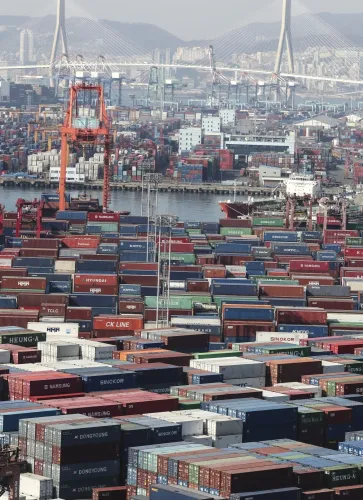
South Korea alcohol output hits 27-year low as health trends reshape drinking culture
Synopsis
South Korea's alcohol industry has hit a 27-year production low — and the numbers tell a story bigger than a bad year. Beer, soju, and takju are all in multi-year decline, driven by health consciousness, an ageing population, and a post-pandemic rethink of workplace drinking culture. The industry is pivoting to low-alcohol and flavoured alternatives, but the structural headwinds look durable.
Key Takeaways
South Korea's alcoholic beverage output fell to 2.99 million kl in 2025 — the first time below 3 million kl since 1998 .
Beer shipments dropped 7.2% year-on-year to 1.52 million kl ; soju stood at 793,000 kl and takju at 318,000 kl .
Beer and soju have declined for three consecutive years since 2022; takju for five consecutive years .
Total shipments in 2024 were already down 17.3% from a decade earlier, per National Tax Service data.
Fruit wine shipments crossed 17,000 kl in 2025 for the first time since 2021, signalling a shift in consumer preference.
Drivers include rising health consciousness , population ageing , and post- COVID-19 changes in corporate socialising culture.
South Korea's total alcoholic beverage production fell below 3 million kiloliters (kl) in 2025 for the first time since 1998, according to data from the National Tax Service, marking a structural turning point in one of Asia's most prominent drinking cultures. The figure — recorded at slightly under 2.99 million kl — reflects nearly three decades of gradual erosion, now accelerating under the weight of health consciousness, demographic shifts, and post-pandemic lifestyle changes.
Key Developments
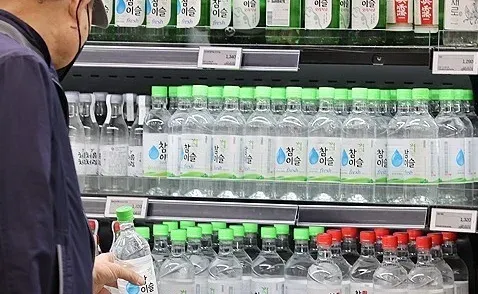
Shipments of beer, the country's most consumed alcoholic category, stood at approximately 1.52 million kl in 2025 — a drop of 7.2% from the previous year. Soju shipments came in at 793,000 kl, while takju (traditional Korean rice liquor) registered 318,000 kl. Beer and soju have now recorded declining shipments for three consecutive years since 2022, while takju has fallen for five straight years as of 2025.
What the Data Shows
Separate figures indicate that total alcoholic beverage shipments in South Korea reached 3.15 million kl in 2024, already down 17.3% from a decade earlier — underscoring that the 2025 dip below the 3-million-kl threshold is the culmination of a long-running trend rather than a sudden shock. According to data from the agriculture ministry, both the volume and frequency of alcohol consumption have slowed, with many consumers gravitating toward specific categories or experimenting with newer beverage types.
Emerging Winners: Fruit Wines and Low-Alcohol Drinks
Not every segment is in retreat. Domestic shipments of fruit wines reached 17,000 kl in 2025, crossing that mark for the first time since 2021. The alcohol industry has responded by expanding its portfolio of non-alcoholic and low-alcohol products, as well as beverages with novel flavours and aromas, in a bid to retain consumers drifting away from conventional spirits and beer.
Why South Koreans Are Drinking Less
Analysts point to a confluence of factors: a growing focus on health and wellness, population decline, an ageing demographic, and a measurable shift in corporate culture. The COVID-19 pandemic is widely credited with accelerating the retreat from late-night social gatherings — a cornerstone of traditional South Korean drinking habits. This comes amid a broader regional pattern across East Asia, where younger generations are increasingly sceptical of alcohol-centric socialising.
What Comes Next
With the structural decline now statistically confirmed, industry players face pressure to innovate or diversify. The pivot toward wellness-oriented and flavour-forward products is already under way, but whether it can offset the volume losses in mainstream categories remains to be seen. Demographic projections suggest the headwinds will only intensify as South Korea's population continues to age.
Point of View
The addressable market for high-volume alcohol categories will keep shrinking regardless of industry innovation. The pivot to low-alcohol and flavoured beverages is smart, but it is a margin story, not a volume recovery. The deeper question is whether South Korea's alcohol industry can reinvent itself the way Japan's did — or whether it faces a decade of managed decline.
NationPress
7 Oct 2026
Frequently Asked Questions
Why has South Korea's alcohol production hit a 27-year low?
South Korea's alcohol output fell below 3 million kl in 2025 due to a combination of growing health consciousness, an ageing and shrinking population, and a post-COVID shift away from late-night corporate drinking culture. These factors have driven multi-year declines across beer, soju, and traditional rice liquor categories.
Which alcoholic beverages have seen the sharpest decline in South Korea?
Beer recorded the steepest recent drop, falling 7.2% year-on-year to 1.52 million kl in 2025. Soju and takju (traditional rice liquor) also declined, with takju posting five consecutive years of falling shipments as of 2025.
Are any alcohol categories growing in South Korea?
Fruit wines bucked the trend, with domestic shipments reaching 17,000 kl in 2025 — the first time that mark has been crossed since 2021. The industry is also expanding non-alcoholic and low-alcohol product lines to capture health-conscious consumers.
How does the 2025 figure compare to longer-term trends?
Total alcoholic beverage shipments in South Korea were already down 17.3% in 2024 compared to a decade earlier, according to National Tax Service data. The 2025 dip below 3 million kl is the culmination of a structural, long-running decline rather than a single-year anomaly.
What is the South Korean alcohol industry doing to respond?
Producers are diversifying into non-alcoholic and low-alcohol beverages and launching products with new flavours and aromas to retain consumers moving away from traditional drinks. However, whether these innovations can offset volume losses in mainstream categories remains uncertain given deepening demographic headwinds.