Sahi Khan-Paan, Swasth Rajasthan campaign kicks off Oct 3 across the state
Synopsis
Rajasthan is launching a fortnight-long food safety and nutrition drive from 3 October, deploying mobile adulteration-testing labs, school 'Eat Right Days', a Healthy Thali Day, and a public pledge on lifestyle habits. The campaign is one of the state's most structured food-safety outreach efforts, linking daily institutional activities to a broader anti-adulteration and non-communicable disease prevention agenda.
Key Takeaways
The 'Sahi Khan-Paan, Swasth Rajasthan' campaign runs from 3 to 16 October 2026 across Rajasthan.
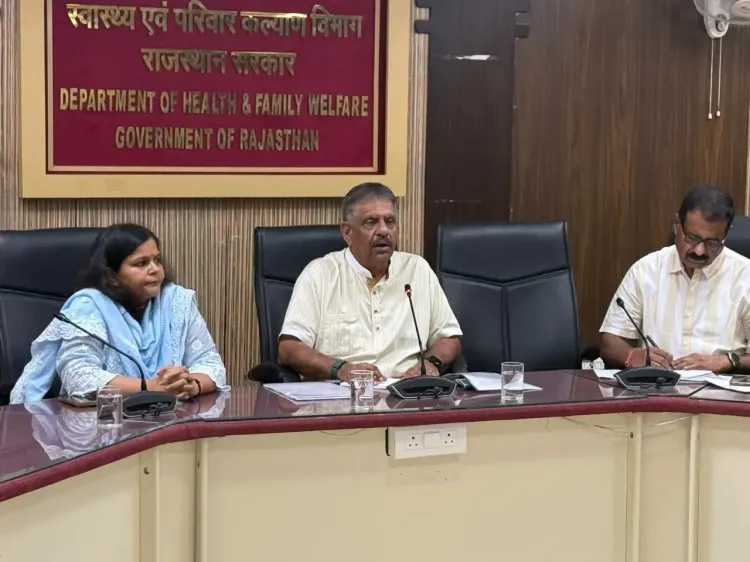
Organised under Principal Secretary Gayatri Rathore of the Medical and Health Department.
Mobile food testing laboratories will conduct on-the-spot adulteration checks on 6 and 7 October . 'Healthy Rajasthan – Healthy Thali Day' on 8–9 October targets reduced salt, sugar, and oil consumption.
Citizens will be invited to take a public pledge covering label-reading, whole-grain intake, and 30 minutes of daily exercise.
Campaign concludes with 'Food Waste – Save Food Day' activities on 15 and 16 October .
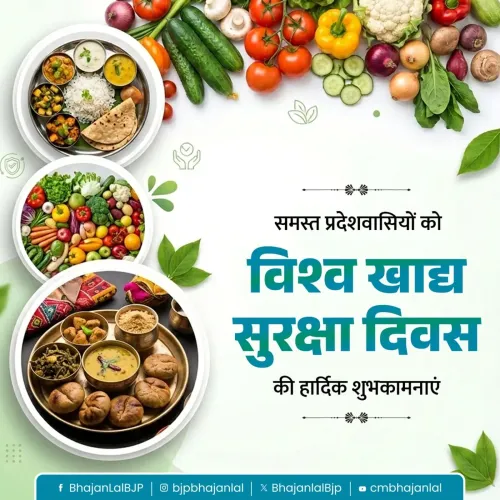
The 'Sahi Khan-Paan, Swasth Rajasthan' campaign will roll out across Rajasthan from 3 to 16 October 2026, aimed at building awareness about safe, nutritious, and locally sourced eating habits among the general public. Organised under the Medical and Health Department of the state government, the two-week drive carries the message: 'Eat Safe – Stay Healthy – Eat Local – Defeat Adulteration.'
Campaign Structure and Daily Schedule
The initiative is being conducted under the direction of Gayatri Rathore, Principal Secretary of Rajasthan's Medical and Health Department, with active support from Food Safety Officers, mobile food testing laboratories, schools, colleges, hospitals, and other institutions across the state.
Food Safety and Drug Control Commissioner Avichal Chaturvedi outlined the day-wise schedule: on 3 and 5 October, schools will host 'Eat Right Day' sessions covering healthy tiffin choices, Shri Anna (millets), proper handwashing, and how to read food labels. On 6 and 7 October, mobile food testing laboratories will demonstrate simple adulteration-detection methods and conduct on-the-spot sample testing.
On 8 and 9 October, 'Healthy Rajasthan – Healthy Thali Day' will encourage citizens to cut down on salt, sugar, and oil while incorporating local and seasonal foods into daily meals. 11 and 12 October will focus on awareness around reading labels on packaged food products.
College, University and Hospital Outreach
According to Commissioner Chaturvedi, 'Eat Right Campus' activities are planned at colleges, universities, and hospitals on 13 and 14 October. These sessions are intended to embed food safety literacy in institutional settings, reaching students and healthcare workers simultaneously — a demographic that shapes broader household behaviour.
Food Waste Awareness to Close the Drive
The campaign will conclude on 15 and 16 October with 'Food Waste – Save Food Day' activities, centred on reducing food wastage at the household and institutional level. This final segment connects the health message to a broader sustainability and resource-efficiency agenda.
Public Pledge and Lifestyle Commitments
A notable element of the campaign is a public pledge that citizens will be invited to take. The pledge covers five concrete lifestyle commitments: reading labels before purchasing packaged food; reducing salt, oil, and sugar intake; eating whole grains at least three days a week; engaging in yoga or physical exercise for at least 30 minutes daily; and avoiding food wastage. This moves the campaign beyond one-time events and nudges participants toward sustained behavioural change.
The campaign reflects a growing national emphasis on preventive health, coming amid rising incidences of non-communicable diseases linked to poor dietary habits. With Rajasthan's vast rural geography, the deployment of mobile testing laboratories is especially significant, bringing food safety checks to communities beyond urban centres.
Point of View
But the campaign's impact will hinge on whether the mobile testing labs and school sessions translate into lasting dietary shifts — or remain one-time exposure exercises. Rajasthan's rural expanse means adulteration risks are unevenly distributed, and the deployment of mobile labs is the sharpest tool in this kit. The public pledge is an underrated mechanism: behavioural-science evidence suggests that explicit personal commitments, even symbolic ones, do shift habits at the margin. The harder challenge is institutional follow-through once the campaign window closes.
NationPress
2 Oct 2026
Frequently Asked Questions
What is the 'Sahi Khan-Paan, Swasth Rajasthan' campaign?
It is a state-wide food safety and nutrition awareness drive running from 3 to 16 October 2026 in Rajasthan. Organised by the Medical and Health Department, it promotes safe eating, anti-adulteration practices, and healthy dietary habits through schools, colleges, hospitals, and mobile testing laboratories.
Who is organising the Rajasthan food safety campaign?
The campaign is being conducted under the direction of Gayatri Rathore, Principal Secretary of Rajasthan's Medical and Health Department. Food Safety and Drug Control Commissioner Avichal Chaturvedi is overseeing the day-to-day programme activities.
What activities are planned during the campaign?
Activities include 'Eat Right Day' in schools (3 and 5 October), on-the-spot food adulteration testing by mobile labs (6–7 October), 'Healthy Thali Day' focusing on reducing salt, sugar, and oil (8–9 October), food label awareness sessions (11–12 October), 'Eat Right Campus' events at colleges and hospitals (13–14 October), and 'Food Waste – Save Food Day' (15–16 October).
What is the public pledge being taken during the campaign?
Citizens will be invited to pledge five lifestyle commitments: reading food labels before buying packaged products, reducing salt, oil, and sugar in meals, eating whole grains at least three days a week, exercising or practising yoga for at least 30 minutes daily, and not wasting food.
Why is this campaign significant for Rajasthan?
Rising non-communicable diseases linked to poor diets make preventive health drives increasingly important. The use of mobile food testing laboratories is particularly significant for Rajasthan, given its large rural population that often has limited access to routine food safety checks in urban centres.