MP Deputy CM Shukla urges rural doctors to cut maternal, infant deaths in Jabalpur review
Synopsis
MP Deputy CM Rajendra Shukla held a video conference with bond-service doctors across Jabalpur, Mandla and Narsinghpur on 30 October, directing them to attend OPDs from 9 am daily and intensify maternal, child and sickle cell health programmes — a state-level push to close the persistent gap between rural healthcare policy and delivery.
Key Takeaways
MP Deputy CM Rajendra Shukla reviewed rural healthcare in Jabalpur , Mandla , and Narsinghpur on 30 October 2026 via video conference.
Doctors directed to attend outpatient departments from 9 am daily to ensure no patient from a remote village is turned away.
In Mandla district , 50 of 67 posted bond-service doctors had reported for duty, according to CMHO D.J.
Shukla called for coordinated implementation of programmes covering maternal and child health , anaemia , sickle cell disease , and non-communicable diseases .
Officials instructed to provide doctors with proper accommodation, utilities, grievance redressal, and training to support rural postings.
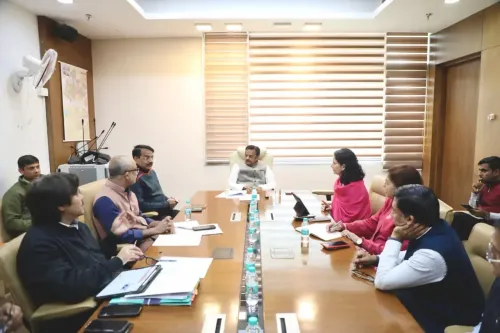
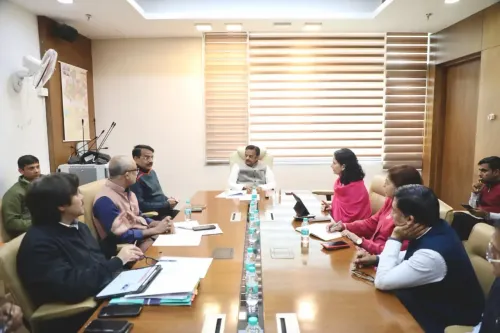
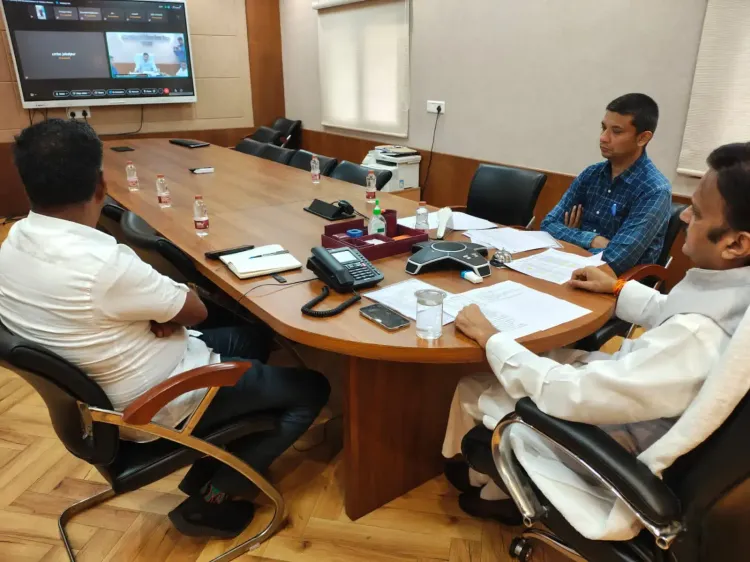
Madhya Pradesh Deputy Chief Minister Rajendra Shukla on Friday, 30 October called for intensified efforts to reduce maternal and infant mortality across the state, directing doctors posted in rural and remote areas to ensure regular attendance and timely treatment for patients. The directive came during a video conference review of healthcare services in Jabalpur, Mandla, and Narsinghpur districts.
What the Review Covered
Shukla conducted the session with bond-service doctors — medical graduates fulfilling mandatory rural postings — stressing the need for stronger implementation of maternal and child healthcare programmes and better coordination among medical personnel. He underlined that improving both the reach and quality of healthcare in rural areas remained a government priority.
'Expansion of healthcare services, improvement in their quality and ensuring timely treatment for common citizens are among the government's priorities,' Shukla said during the session.
Key Directives Issued
The Deputy Chief Minister called for coordinated action on programmes covering maternal and child health, anaemia control, identification and management of sickle cell disease, and non-communicable diseases. He directed all doctors to be present at their designated outpatient departments from 9 am daily, so that patients from remote villages are not left without medical assistance.
Shukla also instructed chief medical and health officers to ensure that bond-service doctors have access to proper accommodation, food, drinking water, electricity, and other essential facilities. He asked officials to address doctors' grievances on priority and arrange necessary training, emphasising that a supportive working environment was essential for committed service delivery.
Ground-Level Findings in Mandla
During the review of Mandla district, Chief Medical and Health Officer (CMHO) D.J. Mohanty informed the Deputy CM that 67 bond-service doctors had been posted in the district, of whom 50 had joined duty. Shukla interacted directly with Dr Ashish Paras, posted at Jamthar village in Bijadandi block, and enquired about the facilities available at the facility.
He also spoke with Dr Anju Maravi, posted at the Majhgawan Primary Health Centre in Jabalpur, seeking details on outpatient services, telemedicine facilities, medicine availability, and staff strength. Block medical officers were separately asked to conduct regular monitoring of health institutions under their charge.
Officials Present
Jabalpur Collector Arun Kumar Vishwakarma, CMHO Naveen Kothari, and other senior health officials attended the meeting. The review is part of an ongoing state push to plug gaps in rural healthcare delivery, particularly in districts with significant tribal and underserved populations such as Mandla.
With maternal and infant mortality remaining a persistent challenge in several Madhya Pradesh districts, the outcome of these directives — and whether absenteeism and infrastructure gaps are meaningfully addressed — will determine the on-ground impact of Friday's exercise.
Point of View
But the Mandla data point — 50 of 67 doctors present — quietly signals the structural problem: absenteeism and non-joining in rural postings remain endemic. Issuing a 9 am attendance directive through a video call does not, by itself, fix the incentive gap that keeps doctors away from remote facilities. Madhya Pradesh has run maternal health drives before; what is missing is a transparent, publicly reported tracking mechanism that links bond-service compliance to actual mortality outcomes. Without that accountability loop, Friday's review risks being one more administrative ritual rather than a turning point for rural healthcare in the state.
NationPress
30 Oct 2026
Frequently Asked Questions
Why did MP Deputy CM Rajendra Shukla review rural healthcare on 30 October?
Shukla held the review to address persistent maternal and infant mortality in rural Madhya Pradesh, directing bond-service doctors in Jabalpur, Mandla and Narsinghpur to improve attendance, treatment quality, and programme implementation.
What are bond-service doctors in Madhya Pradesh?
Bond-service doctors are medical graduates who fulfil a mandatory rural posting obligation as a condition of their government-subsidised medical education. They are posted to primary health centres and district hospitals in underserved areas.
How many bond-service doctors are posted in Mandla district?
According to CMHO D.J. Mohanty, 67 bond-service doctors have been posted in Mandla district, of whom 50 had joined duty as of the 30 October review.
What health programmes did Shukla ask doctors to prioritise?
Shukla called for stronger implementation of maternal and child health programmes, anaemia control drives, identification and management of sickle cell disease, and non-communicable disease programmes across the three districts.
What facilities is the government expected to provide to rural doctors?
Shukla directed chief medical and health officers to ensure that bond-service doctors have access to proper accommodation, food, drinking water, electricity, grievance redressal mechanisms, and necessary training.