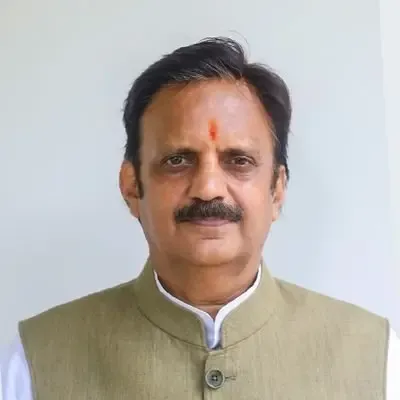
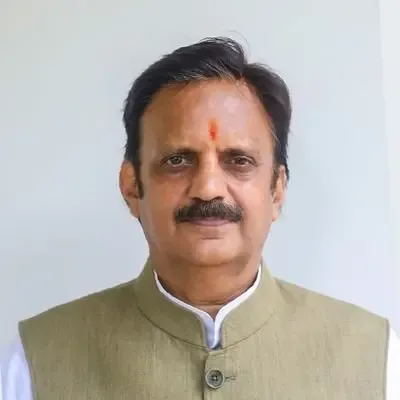
MP Deputy CM Rajendra Shukla pushes doctor recruitment in remote areas
Synopsis
Madhya Pradesh Deputy CM Rajendra Shukla has put rural doctor recruitment at the top of the state health agenda, directing officials at a Bhopal review meeting to fast-track specialist postings in remote and tribal areas. A proposal to bring cancer treatment under Ayushman Bharat adds a potentially significant financial lifeline for low-income patients.
Key Takeaways
Madhya Pradesh Deputy CM Rajendra Shukla chaired a Public Health and Medical Education Department review on 28 May in Bhopal .
Recruitment of doctors and specialists in remote and underserved areas was declared the top priority.
Officials were asked to prepare a proposal to include cancer treatment packages under the Ayushman Bharat Scheme .
Timely reimbursement of additional costs in organ transplant cases under CM Cares was directed.
The departmental transfer policy must be 'transparent, simple and sensitive,' with special provisions for widows, disabled dependents, and husband-wife postings.
Posts at the Cancer Hospital in Sagar and availability of nursing and paramedical staff were also reviewed.
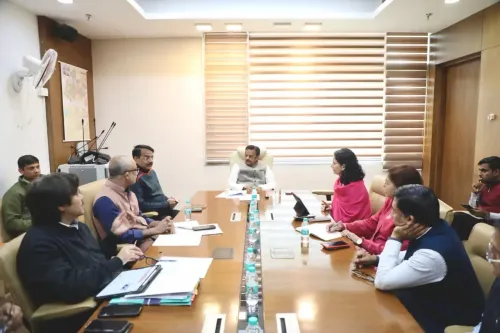
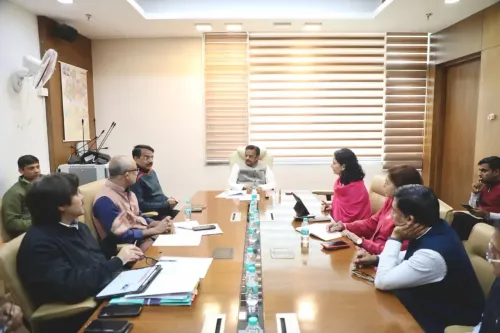
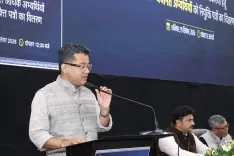
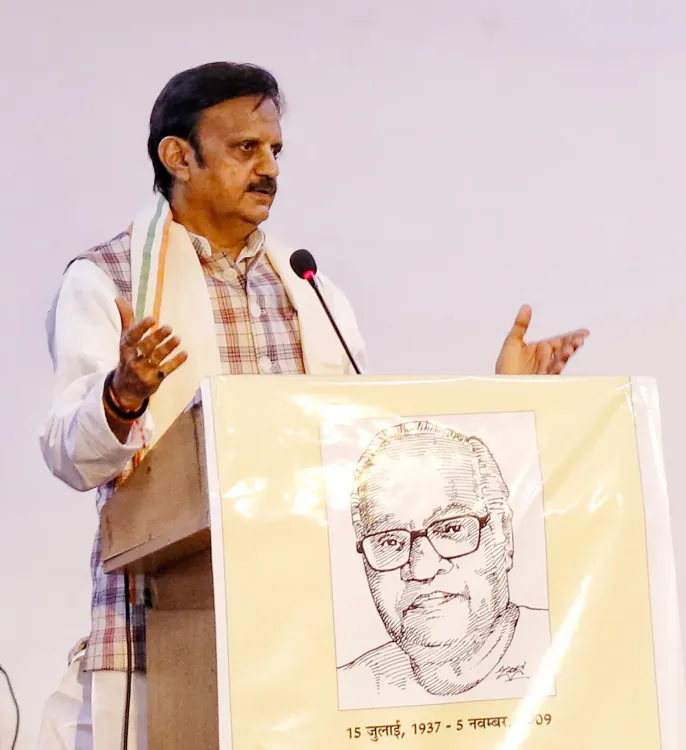
Madhya Pradesh Deputy Chief Minister Rajendra Shukla on Thursday, 28 May directed officials to accord the highest priority to recruiting doctors and specialist doctors in remote and underserved regions of the state. Chairing a review meeting of the Public Health and Medical Education Department at the Mantralaya in Bhopal, Shukla underlined that healthcare services must reach every citizen in need, including those in the most marginalised communities.
Key Directives from the Review Meeting
Shukla reviewed staffing levels, ongoing infrastructure projects, and hospital management across the state's health system. He specifically called for concrete, results-oriented measures to strengthen healthcare delivery. 'Recruitment of doctors and specialist doctors in underserved and remote areas should be accorded the highest priority so that quality health services can reach the last person in need,' he said at the meeting.
He also stressed the urgent need for adequate nursing and paramedical staff across government health institutions, noting that frontline healthcare workers are critical to last-mile service delivery.
Infrastructure and Hospital Management Under Review
The meeting covered the construction of nursing colleges, maintenance of hospitals, strengthening of laboratories, and the availability of human resources in government health facilities. Officials were directed to take measurable steps to address existing gaps. The review also examined the approval process for posts at the Cancer Hospital in Sagar, signalling attention to specialised care capacity beyond the state capital.
Cancer Care and Ayushman Bharat Expansion
Shukla directed officials to ensure timely reimbursement of additional expenditure in organ transplant cases under the CM Cares initiative. He further asked officials to prepare a proposal for including cancer treatment packages under the Ayushman Bharat Scheme. 'This will provide greater financial support to cancer patients and improve their access to quality treatment,' he said. The move, if implemented, could significantly expand the financial safety net for low-income patients facing high-cost oncology care.
Transfer Policy: Transparency and Sensitivity
The Deputy Chief Minister directed that the departmental transfer process be 'transparent, simple and sensitive.' He asked that special consideration be extended in transfer cases involving serious illness, husband-wife postings, dependents with disabilities, widows, and abandoned women. Ensuring adequate doctor presence in tribal and remote areas was reiterated as a non-negotiable outcome of the transfer policy.
The directives signal a renewed push by the Madhya Pradesh government to close the rural-urban healthcare divide — a challenge that has persisted across successive administrations. Whether these directives translate into verifiable recruitment outcomes will depend on follow-through at the departmental level.
Point of View
Or remains advisory. Madhya Pradesh's tribal belt has chronically low doctor density, and transfer policies that allow urban postings by default have historically undermined rural deployment orders. The sensitivity provisions for widows and disabled dependents are welcome, but without a transparent transfer portal and independent audit, 'transparent and simple' risks staying aspirational.
NationPress
19 Sept 2026
Frequently Asked Questions
What did MP Deputy CM Rajendra Shukla direct at the health department review meeting?
Shukla directed officials to give the highest priority to recruiting doctors and specialist doctors in remote and underserved areas of Madhya Pradesh. He also reviewed hospital infrastructure, nursing college construction, laboratory strengthening, and human resource availability at the 28 May meeting in Bhopal.
What is the proposal related to Ayushman Bharat announced at the meeting?
Shukla asked officials to prepare a proposal to include cancer treatment packages under the Ayushman Bharat Scheme. The move aims to provide greater financial support to cancer patients and improve their access to quality treatment.
What changes were directed for the departmental transfer policy?
The Deputy CM directed that transfers be conducted in a transparent, simple, and sensitive manner. Special consideration was mandated for cases involving serious illness, husband-wife postings, dependents with disabilities, widows, and abandoned women.
What is the CM Cares initiative mentioned in the meeting?
CM Cares is a Madhya Pradesh government initiative under which additional expenditure in organ transplant cases is reimbursed. Shukla directed officials to ensure timely processing of these reimbursements.
Which hospital's post approval process was reviewed at the meeting?
The approval process for posts at the Cancer Hospital in Sagar was reviewed during the meeting, indicating a focus on expanding specialised healthcare capacity beyond Bhopal.