MP Deputy CM Rajendra Shukla pushes telemedicine to close rural healthcare gap
Synopsis
Madhya Pradesh Deputy CM Rajendra Shukla has told bonded doctors in three tribal-belt districts — Sidhi, Singrauli and Dindori — to make the e-Sanjeevani platform their default tool for specialist consultations. With 91 bonded doctors now deployed and OPD attendance already rising, the state is betting on digital health infrastructure to fix a chronic specialist shortage in some of its most remote areas.
Key Takeaways
Rajendra Shukla , Deputy CM of Madhya Pradesh , held a video conference with bonded doctors on 31 October 2026 to push telemedicine adoption.
A total of 91 bonded doctors are deployed across Sidhi (16) , Singrauli (54) and Dindori (21) .
Doctors reported increased OPD attendance after their postings at rural health centres. e-Sanjeevani platform promoted as the primary tool for delivering specialist consultations in remote areas.
Priority missions cited: TB-Free India , National Sickle Cell Elimination Mission , Anaemia Mukt Bharat , and reduction of maternal and infant mortality .
Coordination with ASHA workers , ANMs and community health officers directed to improve last-mile healthcare delivery.
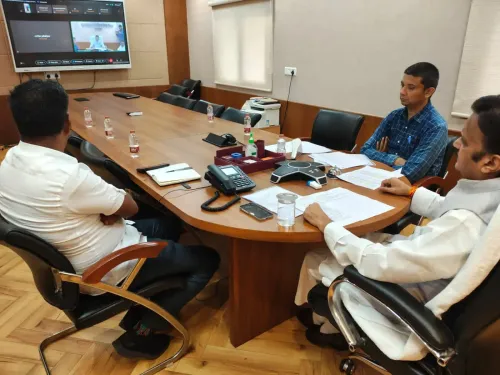
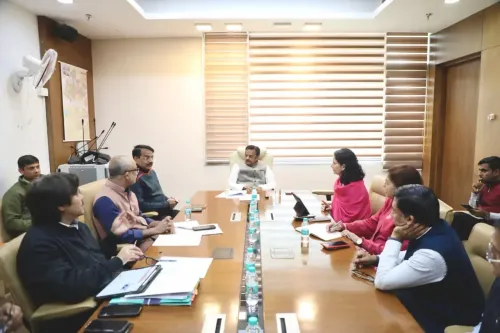
Madhya Pradesh Deputy Chief Minister Rajendra Shukla on Saturday, 31 October 2026, urged bonded doctors deployed in tribal and remote districts to maximise use of telemedicine and the e-Sanjeevani platform, arguing that digital health services are the most practical lever for closing the specialist doctor deficit in rural Madhya Pradesh. The directive came during a video conference with doctors posted in Sidhi, Singrauli and Dindori districts.
What Shukla Said
'Telemedicine is an important medium for taking quality healthcare services to remote areas. Greater acceptance of digital health services will help make specialist medical consultations available even in distant rural areas,' Shukla said during the interaction. He also invoked Prime Minister Narendra Modi's recent mention of digital healthcare in the Mann Ki Baat programme to underscore the national push behind the initiative.
Doctor Deployment and Early Results
Officials informed the Deputy Chief Minister that 16 bonded doctors had been posted in Sidhi, 54 in Singrauli and 21 in Dindori. Doctors from all three districts reported a measurable increase in outpatient department (OPD) attendance following their postings at rural health centres — an early signal, albeit anecdotal, that on-ground presence is already making a difference.
Priority Health Programmes
Shukla called for stronger implementation of several national health missions, including the TB-Free India campaign, the National Sickle Cell Elimination Mission and Anaemia Mukt Bharat. He emphasised improved screening for non-communicable diseases — specifically hypertension, diabetes, and oral and breast cancer — and stressed the need to reinforce the hub-and-spoke model of healthcare delivery across the three districts.
Maternal and Child Health in Focus
The Deputy Chief Minister directed doctors to make dedicated efforts to reduce maternal and infant mortality rates by ensuring antenatal check-ups for all pregnant women and the timely identification and referral of high-risk pregnancies to appropriate medical institutions. He asked officials to encourage panchayats to participate in the Suman Panchayat programme, which focuses on safe motherhood and maternal-child health awareness.
Community Health Workers and Facility Standards
Shukla stressed regular coordination with ASHA workers, auxiliary nurse midwives (ANMs) and community health officers to improve public awareness and ensure that services reach eligible beneficiaries. He also directed chief medical and health officers to maintain cleanliness, adequate support staff and basic facilities at health institutions. On the human dimension of care, he noted: 'A doctor's behaviour, sensitivity and gentle words can ease half the suffering of a patient.'
The session underlines a broader state-level push to leverage digital infrastructure for rural health equity — a challenge that has persisted across successive governments and remains critical in districts where specialist access is measured in hundreds of kilometres.
Point of View
But the structural challenge in districts like Dindori and Singrauli is not just specialist access — it is connectivity, health literacy and the willingness of overburdened bonded doctors to sustain digital consultations alongside physical OPD loads. Citing PM Modi's Mann Ki Baat lends political scaffolding, but the real metric will be whether telemedicine uptake figures are tracked independently and not left to self-reporting. India's rural health gap is not new, and the hub-and-spoke model has been policy gospel for a decade without transformative outcomes. The Madhya Pradesh government deserves credit for on-ground doctor deployment, but accountability mechanisms — not just directives — will determine whether this video conference translates into measurable health outcomes in these underserved districts.
NationPress
31 Oct 2026
Frequently Asked Questions
What did MP Deputy CM Rajendra Shukla announce about telemedicine?
Deputy Chief Minister Rajendra Shukla directed bonded doctors in Sidhi, Singrauli and Dindori to maximise use of telemedicine and the e-Sanjeevani platform to extend specialist consultations to remote rural areas. He made the remarks during a video conference with doctors from the three districts on 31 October 2026.
How many bonded doctors are deployed in the three districts?
A total of 91 bonded doctors are currently posted — 16 in Sidhi, 54 in Singrauli and 21 in Dindori. Doctors from all three districts reported increased OPD attendance following their rural postings.
What is the e-Sanjeevani platform?
e-Sanjeevani is the Government of India's national telemedicine platform that enables patients in remote areas to access specialist medical consultations digitally. It has been promoted by the Centre as a key tool to bridge the urban-rural healthcare divide.
Which national health programmes did Shukla ask doctors to prioritise?
Shukla called for stronger implementation of the TB-Free India campaign, the National Sickle Cell Elimination Mission and Anaemia Mukt Bharat. He also emphasised screening for non-communicable diseases including hypertension, diabetes and oral and breast cancer.
What steps were directed to improve maternal and child health?
Shukla directed doctors to ensure antenatal check-ups for all pregnant women and timely referral of high-risk pregnancies. He also asked officials to promote panchayat participation in the Suman Panchayat programme for safe motherhood and maternal-child health awareness.