Tamil Nadu mental health plan to cover 12 districts
Synopsis
Tamil Nadu plans a ₹26.87 crore mental health expansion in 12 districts in 2026-27, covering school counselling, tele-mental health and addiction care. Health Minister K.G. Arunraj said the existing district programme already operates across all 38 districts.
Key Takeaways
Tamil Nadu plans to expand mental health services in 12 districts in 2026-27 under a ₹26.87 crore programme.
Health and Family Welfare Minister K.G.
Arunraj said the existing District Mental Health Programme operates in all 38 districts .
The proposed programme will strengthen school counselling, regional tele-mental health centres and addiction treatment and rehabilitation services.
The National Mental Health Survey of 2015-16 found that 10.6 per cent of adults surveyed had a mental health condition.
Depending on the disorder, 70 to 92 per cent of those who needed treatment went without it, according to the survey cited by Arunraj.
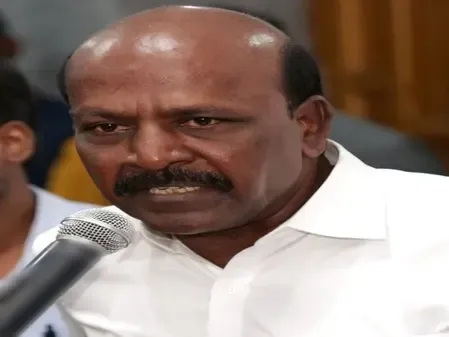
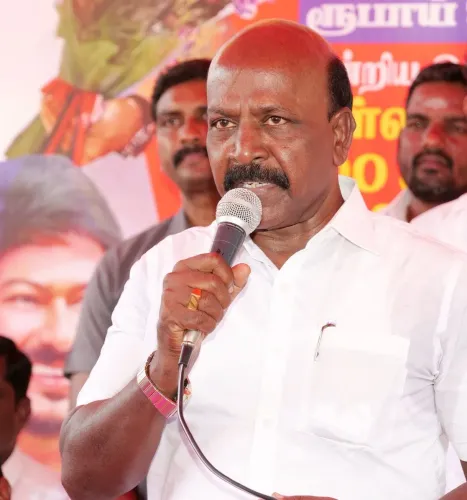
Tamil Nadu will expand mental health services in 12 districts in 2026-27 under a ₹26.87 crore programme, Health and Family Welfare Minister K.G. Arunraj said on 23 November. Speaking at a seminar in Chennai, he said the plan would strengthen care units, school counselling, tele-mental health services and addiction treatment and rehabilitation.
Arunraj said the success of mental healthcare should be assessed by whether people receiving treatment can return to everyday life and participate in their communities. He also invited patients, families and others involved in care to suggest improvements to services.
What the district expansion will cover
The proposed Integrated Mental Health Programme will be introduced in 12 districts, according to the minister. It is intended to strengthen mental health service units and counselling facilities for school students.
The programme will also reinforce regional tele-mental health centres and services for people who need addiction treatment and rehabilitation. The announcement did not identify the 12 districts or provide a schedule for individual services.
Arunraj said the existing District Mental Health Programme operates in all 38 districts of the state. The new initiative therefore adds a targeted expansion in 12 districts alongside a programme he said already has statewide coverage.
Stigma and gaps in treatment
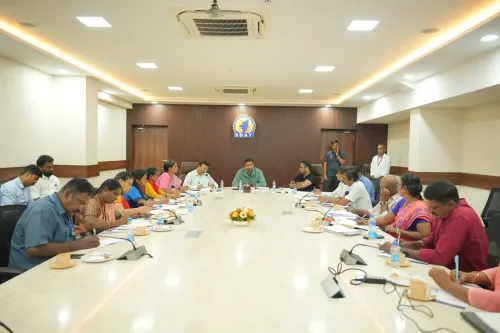
Opening the seminar on Mental Health Services and Development at the Government Institute of Mental Health in Kilpauk, Chennai, Arunraj said stigma and limited awareness continued to prevent people from seeking timely care. Families, he said, could recognise when a relative needed medical attention and provide emotional support during recovery.
“Just as people approach doctors for fever, diabetes or hypertension, mental health conditions too must be recognised as illnesses that require medical attention. The first treatment for those affected is the genuine understanding and emotional support of their families,” he said.
The minister cited India’s National Mental Health Survey of 2015-16, conducted by the National Institute of Mental Health and Neuro Sciences, to illustrate unmet need. It found that 10.6 per cent of adults surveyed had a mental health condition; depending on the disorder, between 70 and 92 per cent of those needing treatment went without it.
Arunraj also cited World Health Organisation figures indicating that nearly 1.2 billion people worldwide were living with mental disorders in 2023, equivalent to about one in seven people. The national survey figures describe the treatment gap at the time of that survey, rather than a current district-level assessment.
The Kilpauk institute’s earlier transition
Arunraj recalled the work of Dr M. Sarada Menon, whom he described as India’s first woman psychiatrist, in changing the role of the institute at Kilpauk. Under her leadership, he said, an institution once largely associated with confinement began offering outpatient services.
Her work also helped patients return to their communities, according to the minister. His account placed the expansion announcement alongside a longer shift in the institute’s approach to care and patients’ lives outside it.
Input from patients and caregivers
Arunraj said the government was prepared to hear from patients and their families about how services could be improved. It would also welcome suggestions from caregivers, mental health professionals and civil society organisations, he said.
He urged families and communities to support people rebuilding their lives after treatment. The government’s next steps will include introducing the programme in the 12 districts during 2026-27, though the announcement did not specify when individual facilities would be strengthened.
Point of View
Counselling and rehabilitation, not simply by the number of facilities strengthened. Publishing district-level implementation details and listening to patients and caregivers would make the ₹26.87 crore commitment easier to assess.
NationPress
23 Nov 2026
Frequently Asked Questions
What is Tamil Nadu’s new mental health programme?
Tamil Nadu plans to introduce an Integrated Mental Health Programme in 12 districts in 2026-27, with an allocation of ₹26.87 crore. It will strengthen mental health units, school counselling, tele-mental health centres and addiction treatment and rehabilitation services.
Which Tamil Nadu districts will receive the mental health expansion?
The announcement did not identify the 12 districts selected for the expansion. Health Minister K.G. Arunraj said the existing District Mental Health Programme operates in all 38 districts.
Why does the mental health expansion matter?
The expansion addresses services in a field where stigma, limited awareness and gaps in treatment remain concerns, according to Health Minister K.G. Arunraj. He cited a 2015-16 national survey that found 70 to 92 per cent of those needing treatment went without it, depending on the disorder.
Who could benefit from the Tamil Nadu programme?
The planned services include counselling facilities for school students and care for people who need addiction treatment and rehabilitation. The programme will also strengthen mental health units and regional tele-mental health centres.
When will the mental health programme begin?
Tamil Nadu plans to introduce the programme during 2026-27. The announcement did not specify dates for individual facilities or services.