Pakistan: 11 killed, 20 injured in Khyber-Pakhtunkhwa bomb attack on police checkpost
Synopsis
A bomb tore through a police checkpost on the Dera Ismail Khan–Quetta Road in Khyber-Pakhtunkhwa, killing 11 — including two women and a child — just eight days after the Kohat Police Lines attack claimed 23 lives. The twin strikes highlight a deepening militant campaign against Pakistan's security infrastructure, with analysts linking the surge to TTP's post-2021 reconsolidation on Afghan soil.
Key Takeaways
A bomb blast at the Aman Mela checkpost near Darazinda , Khyber-Pakhtunkhwa , killed at least 11 people and injured 20 on 26 September 2026 .
Victims include eight men, two women, and a child ; rescue teams from Karak and Hangu were deployed to the site.
The attack occurred on the Dera Ismail Khan–Quetta Road near the KP–Balochistan border .
It follows a 18 September attack on Police Lines in Kohat that killed 23 people and injured around 100 .
Analysts link the escalating violence to TTP and allied groups reconstituting after the Afghan Taliban's 2021 takeover .
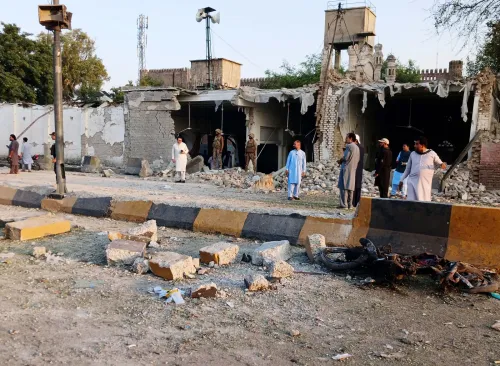
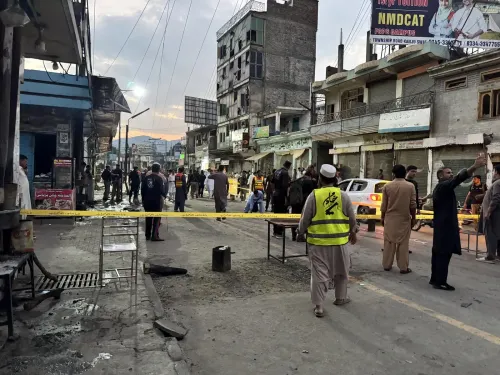
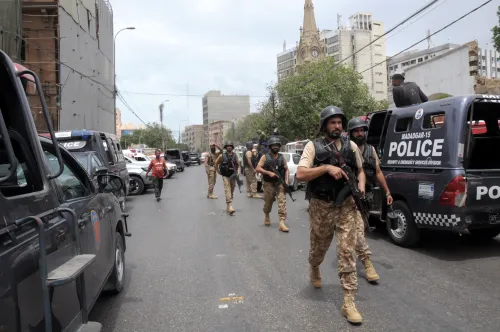
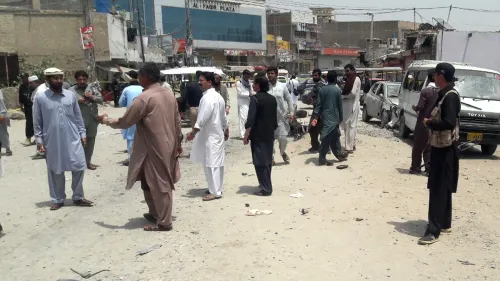
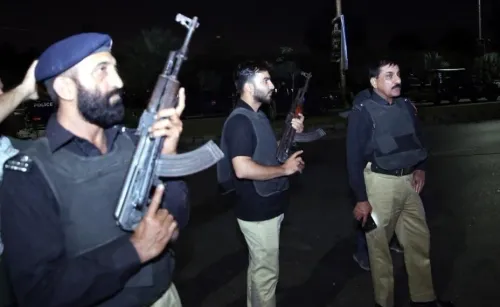
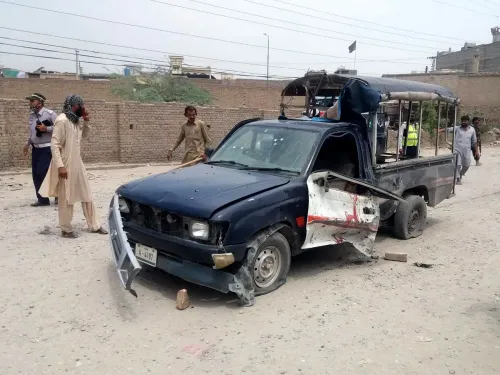
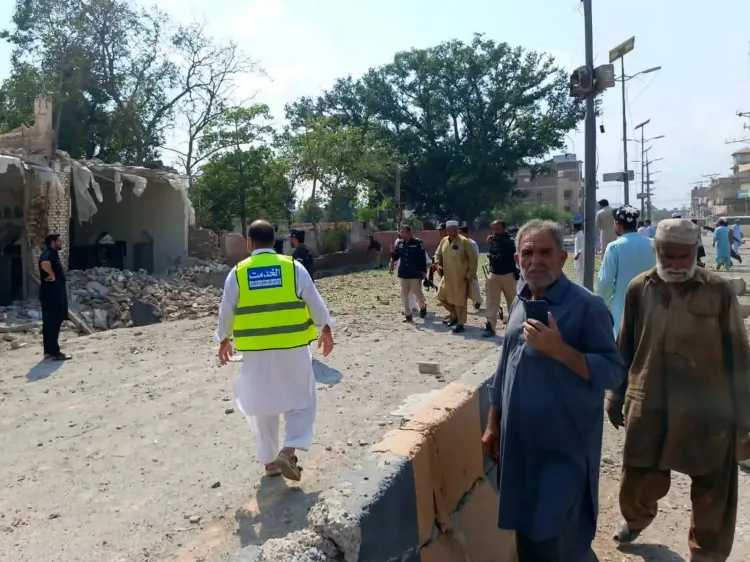
At least 11 people were killed and 20 others injured on Saturday, 26 September 2026, after a bomb blast tore through a police checkpost in Pakistan's Khyber-Pakhtunkhwa (KP) province, local media reported, citing rescue officials. The fatalities include eight men, two women, and a child, as personnel continued working at the site to recover victims from the debris.
How the Attack Unfolded
According to police, the explosion struck the Aman Mela checkpost, situated near Mughal Kot and Darazinda on the Dera Ismail Khan–Quetta Road, close to the KP–Balochistan border. The location — a stretch of road linking two provinces with a history of militant activity — underscores the tactical intent of the strike.
Rescue 1122 spokesperson Bilal Ahmad Faizi confirmed that the Darazinda station team was immediately alerted and launched rescue operations. 'Additional ambulances and rescue personnel from Karak and Hangu have also reached the site to assist with the search and rescue operation,' Faizi was quoted as saying. He subsequently confirmed that the bodies of all 11 victims had been recovered from the site.
A Pattern of Escalating Violence in KP
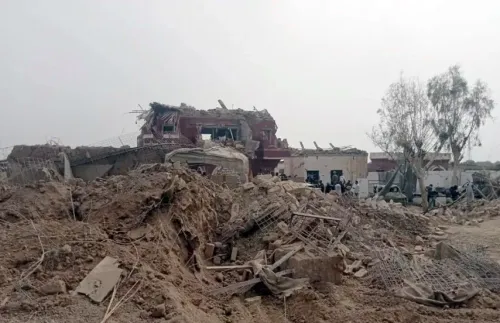
The attack comes barely eight days after a major assault at the old Police Lines in KP's Kohat on 18 September, in which 23 people were killed and around 100 others injured. In that incident, an explosives-laden vehicle reportedly crashed into a mosque inside the Old Police Lines compound — one of the deadliest single strikes on Pakistani security forces in recent months.
Notably, this is part of a broader, sustained campaign against law enforcement infrastructure in KP, a province that has recorded a sharp rise in militant-linked violence since 2021. Security analysts argue that checkposts and police installations have become primary targets precisely because they represent the state's frontline authority in contested areas.
The Strategic Blowback Argument
The Kohat attack had already prompted scrutiny of Pakistan's long-standing approach to militant groups. According to reports, Pakistani security establishments historically distinguished between so-called 'good' and 'bad' militants — sheltering or tolerating networks deemed useful against India or in Afghanistan, while attempting to neutralise those targeting the Pakistani state directly.
Critics argue this approach created structural vulnerabilities that are now being exploited. Following the Afghan Taliban's 2021 takeover, groups such as Tehrik-e-Taliban Pakistan (TTP) and commanders including Hafiz Gul Bahadur reportedly reconstituted themselves with sanctuary, weapons, and ideological cover on Afghan soil — a development that analysts say has directly fuelled the uptick in cross-border attacks on Pakistani security forces.
What Happens Next
Search and rescue operations were ongoing at the Aman Mela checkpost as of the latest reports, with additional personnel deployed from neighbouring districts. Pakistani authorities have not yet publicly attributed responsibility for the attack, and an investigation is understood to be underway. With KP registering multiple mass-casualty incidents within a single week, pressure is expected to mount on Islamabad to revisit its counter-terrorism posture along the KP–Balochistan corridor.
Frequently Asked Questions
What happened in the Khyber-Pakhtunkhwa bomb attack on 26 September 2026?
A bomb exploded at the Aman Mela police checkpost near Darazinda in Khyber-Pakhtunkhwa, killing at least 11 people — including eight men, two women, and a child — and injuring 20 others. Rescue teams from multiple districts were deployed to recover victims from the debris.
Where exactly did the bomb blast occur in KP?
The explosion struck the Aman Mela checkpost, located near Mughal Kot and Darazinda on the Dera Ismail Khan–Quetta Road, close to the KP–Balochistan border. The area sits along a route with a documented history of militant activity.
Is this attack linked to the Kohat Police Lines strike on 18 September?
While no group has formally claimed responsibility for the Darazinda attack, it follows the Kohat Police Lines assault just eight days earlier, in which 23 people were killed and around 100 injured. Security analysts see both strikes as part of a sustained campaign against KP's law enforcement infrastructure.
Who is blamed for the rising violence in Khyber-Pakhtunkhwa?
Analysts and reports point primarily to Tehrik-e-Taliban Pakistan (TTP) and allied commanders such as Hafiz Gul Bahadur, who reportedly reconstituted their networks with sanctuary and weapons on Afghan soil following the Taliban's return to power in 2021. Pakistan's historical tolerance of certain militant networks is also cited as a contributing factor.
What is the Pakistani government doing in response?
Rescue 1122 personnel from Darazinda, Karak, and Hangu were mobilised immediately after the blast. An investigation is reportedly underway, though Pakistani authorities had not publicly attributed responsibility for the attack as of the latest reports. Broader counter-terrorism measures have not yet been announced.