Kohat attack kills 31, exposes Pakistan's intelligence and security failures
Synopsis
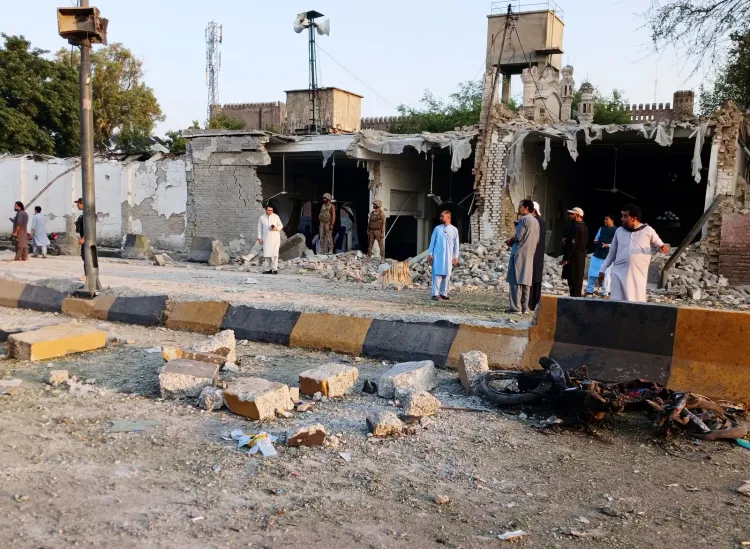
Militants linked to the TTP stormed a police compound in Kohat, KP, killing at least 31 people including 16 officers — and the most disturbing detail is not the death toll but where it happened: inside a facility meant to be the frontline against exactly this kind of violence. Experts now warn the attack exposes deep cracks in Pakistan's intelligence and counter-terrorism architecture along its volatile Afghan border.
Key Takeaways
A militant attack in Kohat district , Khyber Pakhtunkhwa , killed at least 31 people , including 16 uniformed police officers .
Ittihad-ul-Mujahideen , a group with reported close links to the TTP , claimed responsibility for the assault.
Attackers barricaded themselves inside a police compound, exposing critical vulnerabilities in facility security.
Experts say the incident reveals serious gaps in Pakistan's intelligence gathering, counter-terrorism operations, and possible infiltration risks.
Islamabad has long accused the Afghan Taliban of sheltering the TTP, fuelling cross-border militant activity in the region.
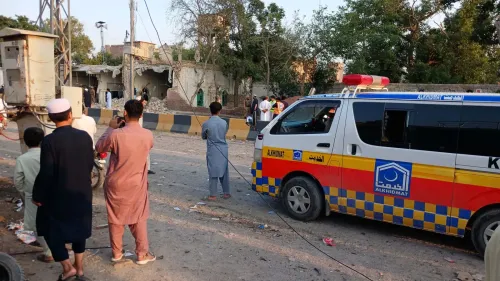
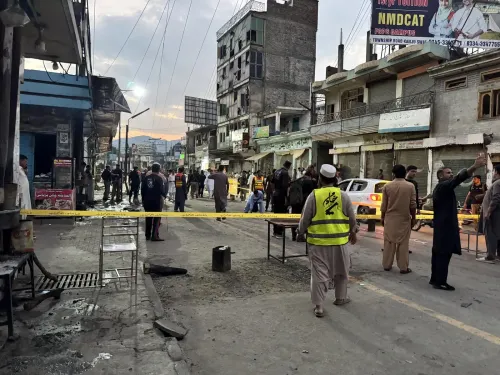
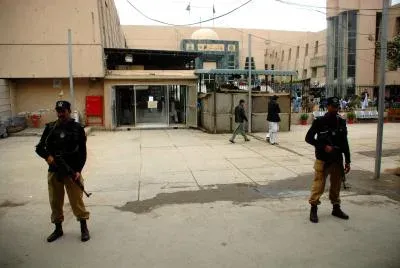
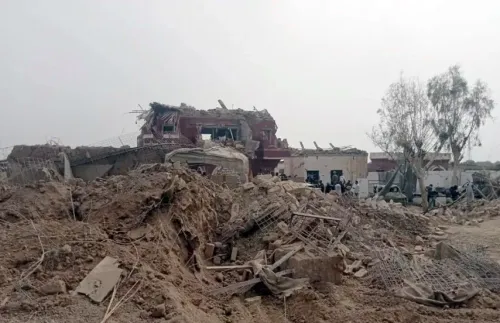
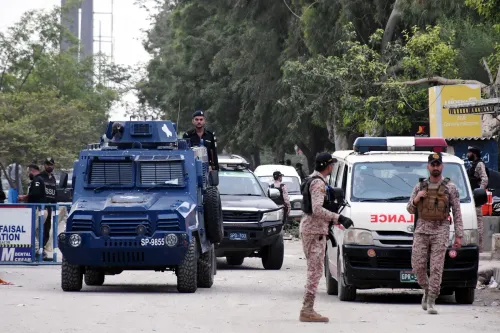
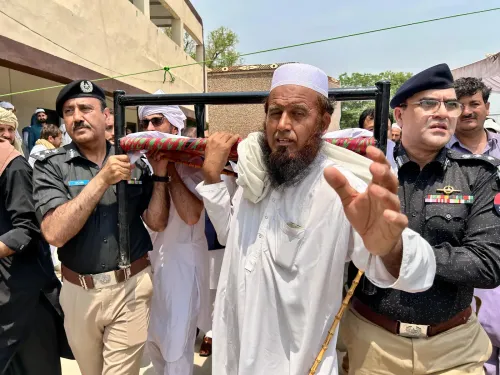
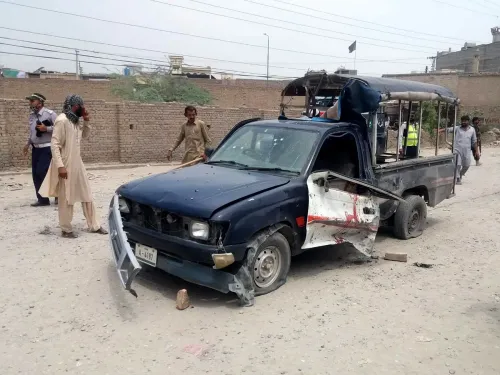
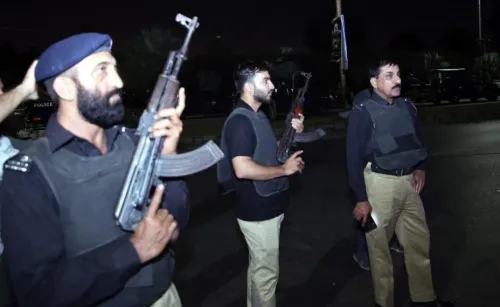
A deadly militant assault on Kohat district in Pakistan's Khyber Pakhtunkhwa (KP) province has left at least 31 people dead, including 16 uniformed policemen, raising urgent questions about the country's counter-terrorism preparedness and intelligence effectiveness along the Pakistan-Afghanistan border. The attack, which saw militants barricade themselves inside a police compound, underscores how militancy in the region has evolved from an occasional threat into a near-routine feature of life in Pakistan's frontier districts.
What Happened in Kohat
The militant group Ittihad-ul-Mujahideen claimed responsibility for the assault, which triggered prolonged clashes with security forces and created a fluid, volatile situation on the ground. The group is said to have close operational links with the Tehrik-e-Taliban Pakistan (TTP), an extremist outfit that seeks to establish a fundamentalist Islamic state in Pakistan. The fact that attackers managed to entrench themselves within a facility designed to protect citizens from precisely this kind of violence made the incident especially alarming, according to Peter Knoope, a noted expert on diplomacy and international cooperation writing in India Narrative.
Intelligence and Security Failures Under Scrutiny
The Kohat attack has exposed what analysts describe as apparent shortcomings in Pakistan's intelligence gathering and counter-terrorism operations. Knoope wrote that the incident 'will raise questions about effectiveness and accountability' and will also 'prompt scrutiny of the potential for infiltration and the trustworthiness of policing and intelligence operations in Pakistan.'
'What was missed, and how could that happen? What exactly was the role of foreign agents? How is the strength of the information position of the local force? Is the relation between the local population and the police up to a desired level? Can a next attack effectively be prevented through intensified local or cross-border cooperation? Tough questions will be asked,' Knoope noted.
The TTP and Afghan Taliban Connection
Islamabad has long accused the Afghan Taliban of providing safe haven and material support to the TTP, a charge Kabul has denied. The TTP's presence and operational capacity in border districts have persisted despite Pakistan's repeated military operations in the region. This incident, like several before it, points to the limits of conventional counter-terrorism approaches when militant networks retain cross-border sanctuary.
Impact on Border Communities
Beyond the immediate death toll, the attack has deepened fear and uncertainty among communities spread across the Pakistan-Afghanistan border region. Many others were left injured, and the broader civilian population has been left questioning the reliability of local security forces to protect them. This is not an isolated event — attacks of comparable scale and audacity have struck KP and the former Federally Administered Tribal Areas repeatedly over the past several years, reflecting a persistent security deficit that successive Pakistani governments have struggled to close.
What Comes Next
Pressure is now mounting on Islamabad to conduct a credible post-incident inquiry, address possible infiltration within police and intelligence ranks, and reinvigorate cross-border cooperation mechanisms. Whether the political will exists to follow through on accountability — rather than simply restating commitments to combating terrorism — will determine whether this latest tragedy translates into lasting reform or becomes another grim data point in an unresolved cycle of violence.
Point of View
The very symbol of the state's counter-terrorism presence, speaks to something more troubling than an intelligence lapse: it points to structural erosion within the institutions meant to prevent such events. Pakistan's cycle of military operations followed by political inaction on cross-border sanctuaries has repeatedly reset the counter-terrorism clock to zero. The harder question — whether Islamabad has the political capacity to hold its own security apparatus accountable, let alone pressure Kabul effectively — remains unanswered, and until it is, incidents like Kohat will keep repeating.
NationPress
23 Sept 2026
Frequently Asked Questions
What happened in the Kohat attack?
Militants attacked a police compound in Kohat district, Khyber Pakhtunkhwa, killing at least 31 people, including 16 uniformed police officers, in clashes that created a prolonged and fluid security situation. The group Ittihad-ul-Mujahideen, reportedly linked to the TTP, claimed responsibility.
Who is Ittihad-ul-Mujahideen?
Ittihad-ul-Mujahideen is a militant group said to have close operational ties to the Tehrik-e-Taliban Pakistan (TTP), which seeks to establish a fundamentalist Islamic state in Pakistan. The group claimed responsibility for the Kohat police compound attack.
What security and intelligence failures does the attack expose?
Analysts say the attack highlights gaps in Pakistan's intelligence gathering, counter-terrorism preparedness, and the possibility of infiltration within police and intelligence ranks. The fact that militants successfully occupied a police facility — meant to be a frontline defence against militant violence — has drawn particular concern.
What is Pakistan's position on the Afghan Taliban and the TTP?
Islamabad has long accused the Afghan Taliban of providing safe haven and support to the TTP, enabling cross-border militant activity in Pakistan's border provinces. This accusation has been a persistent source of tension in Pakistan-Afghanistan relations.
What are the next steps following the Kohat attack?
Pressure is mounting on Islamabad to launch a credible inquiry into the attack, address potential infiltration in security forces, and strengthen cross-border counter-terrorism cooperation. Analysts warn that without meaningful accountability, the cycle of recurring militant violence in KP is unlikely to be broken.