Pakistan police: underpaid, under-resourced, and most targeted
Synopsis
Pakistan's police absorb the highest militant-attack death toll of any security force — 174 killed last year — yet earn a fraction of what army personnel make. A damning report in The Diplomat reveals that a KP constable earns PKR 69,000 a month while Bannu district alone recorded 134 attacks on its officers. The state's response so far: a formal letter from the IGP that has yet to be acted upon.
Key Takeaways
174 of Pakistan's 437 security personnel killed in militant attacks last year were provincial police — the largest single contingent.
A KP constable earns PKR 69,000/month ; a Balochistan Deputy Superintendent earns PKR 453,727 — nearly 2.5 times more for the same rank.
Bannu district alone recorded 134 attacks on police last year, 27 of them fatal; a 9 May checkpoint attack killed 15 officers .
Only 17 in 100 militant attack cases in KP anti-terrorism courts end in conviction; national backlog exceeds 2,200 cases .
The Peshawar Police Lines mosque bombing trial — 84 worshippers killed — has not commenced more than three years after the attack.
KP's IGP has formally requested 'hard area' pay status at an annual cost of PKR 2.2 billion ; no decision has been announced.
Pakistan's provincial police forces are simultaneously the country's most frequently attacked security contingent and its most poorly compensated — a structural contradiction that a new report says reflects systemic state neglect rather than an isolated policy failure.
The Pay Gap That Endangers Lives
According to a report published in online magazine The Diplomat, Khyber Pakhtunkhwa (KP) records the lowest police salaries among Pakistan's provinces. A KP constable earns roughly PKR 69,000 per month, while a KP Deputy Superintendent of Police takes home PKR 184,867. By contrast, a Deputy Superintendent in Balochistan earns PKR 453,727 — nearly two-and-a-half times more for the same rank. The disparity is so acute that KP's Inspector General of Police (IGP) has formally written to the Chief Minister seeking 'hard area' status for the province's police, a reclassification that would cost an estimated PKR 2.2 billion annually but would begin to close the compensation gap.
Deadliest Force, Lowest Priority
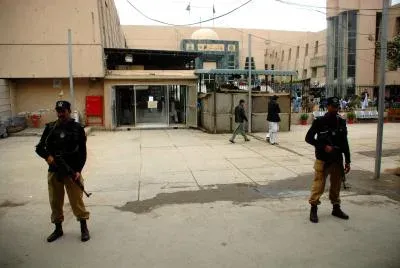
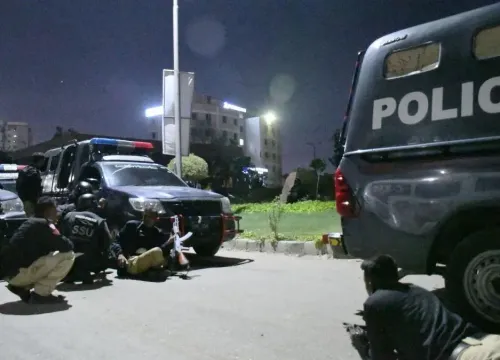
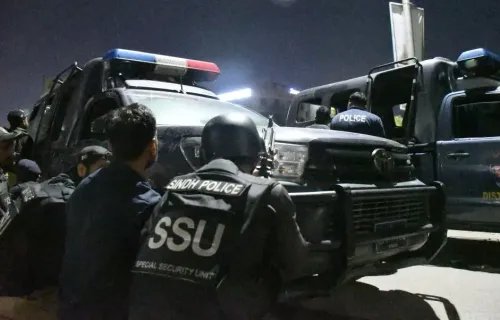
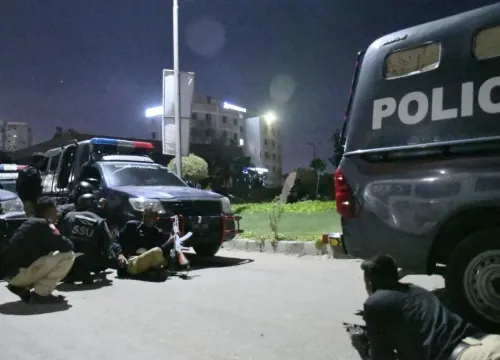
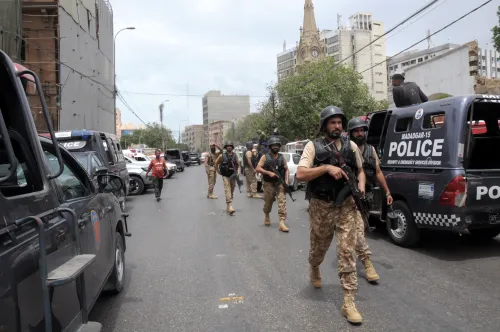
Of the 437 security personnel killed in militant attacks across Pakistan last year, 174 — the single largest contingent — belonged to provincial police forces, outnumbering army fatalities. The report, authored by Aamir Hayat, an expert tracking militancy and security developments in Pakistan, notes that most of these deaths occurred in Khyber Pakhtunkhwa.
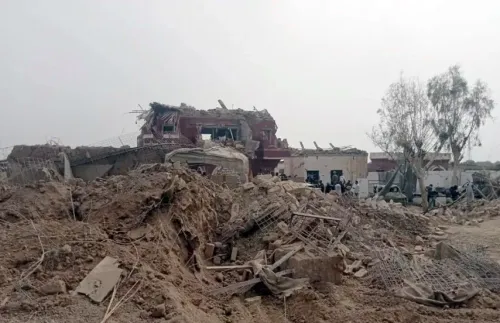
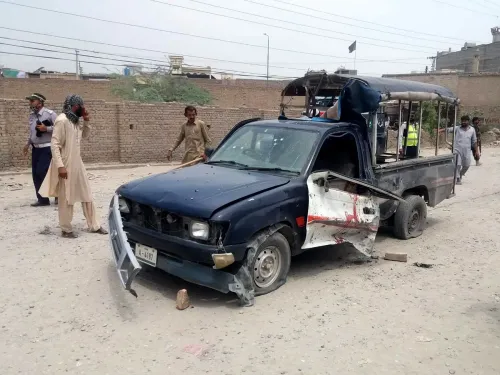
'Most fell in Khyber Pakhtunkhwa. Bannu district alone recorded 134 attacks on its police, 27 of them fatal,' Hayat wrote in The Diplomat. The dead came from multiple districts, including Lakki Marwat, Dera Ismail Khan, Karak, Bajaur, and Wana. The 9 May attack on a police checkpoint in Bannu district — which killed 15 personnel — is cited in the report not as an aberration but as a predictable outcome of chronic under-investment.
A Prosecutorial System in Collapse
The violence is compounded by near-impunity for perpetrators. According to the report, only 17 out of every 100 militant attack cases brought before KP's anti-terrorism courts end in conviction. Thousands of cases remain under investigation in the province alone, and the national Anti-Terrorism Court backlog stands at over 2,200 cases.
The most glaring example of judicial delay involves the 2023 Peshawar Police Lines mosque bombing, in which 84 worshippers were killed. More than three years on, the trial has not yet begun. The accused facilitator — a serving constable within the same force — allegedly received PKR 200,000 from the militant group Jamaat-ul-Ahrar. He was arrested only in late 2024, and the case file reportedly remains in the pre-trial stage.
What the Report Concludes
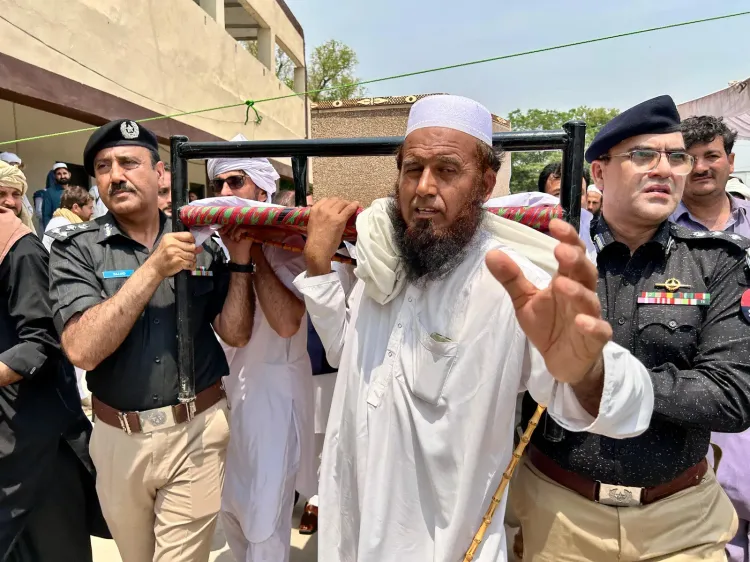
The Diplomat report frames the crisis in stark moral terms: 'The men being buried this week in Bannu were paid less than they should have been for what they did. The least the state owes them, and the colleagues who will replace them tomorrow, is the truth about what their lives cost.' This comes amid a broader pattern of the Pakistani state channelling security resources disproportionately toward the military, leaving police forces — who bear the highest casualty burden from militant attacks — structurally exposed. Whether Islamabad acts on the IGP's formal request for 'hard area' pay parity will be a signal of whether that calculus is changing.
Point of View
Who now absorb the majority of militant-attack fatalities, structurally defunded. The 17% conviction rate in KP's anti-terrorism courts is equally damning: it means militants operate with near-impunity, knowing the prosecutorial pipeline is broken. The Peshawar mosque case — three years, no trial — is not an anomaly; it is the system working as it has been allowed to work. Until Islamabad treats police compensation and judicial capacity as national security imperatives rather than provincial line items, the body count will keep climbing.
NationPress
21 Sept 2026
Frequently Asked Questions
Why are Pakistan's police considered the most targeted security force?
Pakistan's provincial police suffered 174 of the country's 437 security personnel deaths in militant attacks last year — more than any other force, including the army. Khyber Pakhtunkhwa bore the heaviest toll, with Bannu district alone recording 134 attacks on police officers.
How large is the salary gap between KP and Balochistan police?
A KP Deputy Superintendent earns PKR 184,867 per month, while a Balochistan Deputy Superintendent at the same rank earns PKR 453,727 — nearly two-and-a-half times more. A KP constable earns roughly PKR 69,000 a month.
What is the KP IGP requesting to fix the pay disparity?
KP's Inspector General of Police has formally written to the Chief Minister seeking 'hard area' status for the province's police, which would cost approximately PKR 2.2 billion annually. No decision on the request has been publicly announced.
Why has the Peshawar Police Lines mosque case not gone to trial?
Despite the bombing killing 84 worshippers, the accused facilitator — a serving constable who allegedly received PKR 200,000 from militant group Jamaat-ul-Ahrar — was only arrested in late 2024, more than three years after the attack. The case file reportedly remains in the pre-trial stage.
What is the conviction rate for militant attack cases in KP?
Only 17 out of every 100 militant attack cases brought before KP's anti-terrorism courts result in a conviction, according to the report. Thousands of cases remain under investigation in the province, and the national Anti-Terrorism Court backlog exceeds 2,200 cases.