Damascus bombings injure 18 during Macron's Syria visit
Synopsis
Two improvised bombs detonated near Damascus's Ministry of Tourism just minutes before Macron sat down with Syrian President al-Sharaa — the first visit by a major European leader since Assad's fall. With at least three serious attacks in the capital within a week, the blasts expose the fragile security reality underpinning Syria's diplomatic reopening.
Key Takeaways
Two improvised explosive devices detonated near the Ministry of Tourism in Damascus on 7 July , injuring 18 people , including four police officers .
The blasts occurred minutes before French President Emmanuel Macron was due to meet Syrian President Ahmad al-Sharaa at the presidential palace.
Macron's office confirmed he was safe and his visit was continuing, according to Le Monde .
One device was hidden in a parked car , the other in a garbage container ; both were primitive in construction, per the Interior Ministry.
A separate bombing on 3 July at a Damascus café killed 9 people and injured 20 ; a bus bombing attempt was foiled on 4 July .
Macron is the first senior European leader to visit Syria since the fall of the Assad regime.
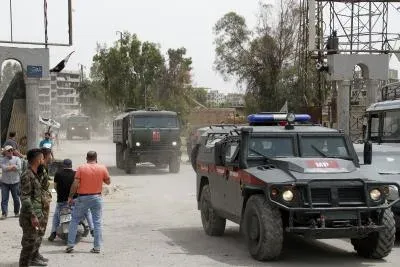
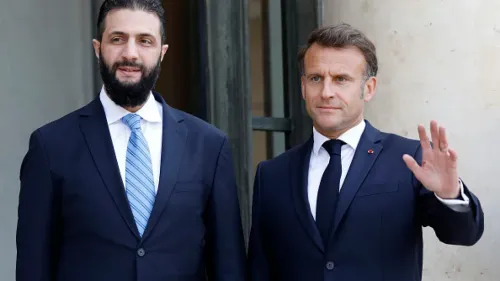
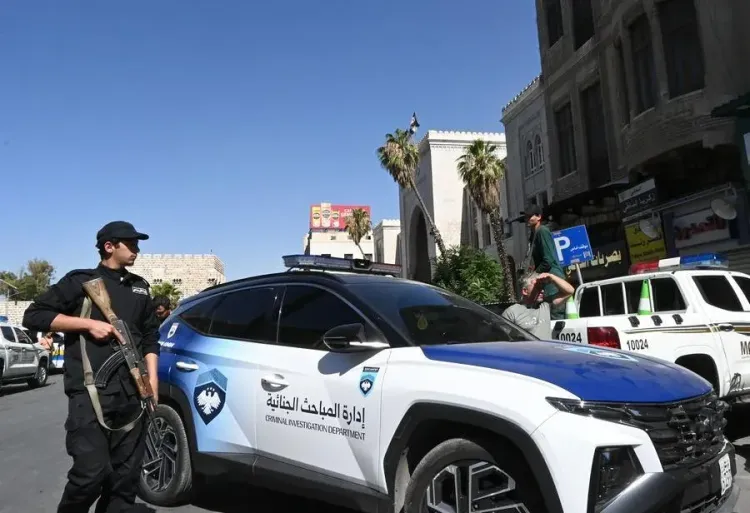
Two explosions rocked an area near the Ministry of Tourism in Damascus on Tuesday, 7 July, injuring 18 people — including four police officers — according to Syria's Interior Ministry. The blasts occurred just before a scheduled meeting between French President Emmanuel Macron and Syrian President Ahmad al-Sharaa at the presidential palace, casting a shadow over the highest-profile European visit to Syria since the fall of Bashar al-Assad's regime.
How the Explosions Unfolded
Syria's Interior Ministry said its Internal Security Forces had detected two improvised explosive devices during routine field operations and had begun dismantling procedures — but both devices detonated before they could be neutralised. According to an official statement carried by the Syrian Arab News Agency, an initial inspection revealed the devices were primitive in construction: the first was concealed inside a parked car, and the second was hidden inside a roadside garbage container. Investigations are ongoing to establish the full circumstances and identify those responsible, authorities said.
Macron Safe, Visit Continues
Several outlets reported the blasts occurred close to the hotel where Macron is reportedly staying. The French President's office confirmed in a statement that he was safe and that his visit to Damascus was proceeding as planned, according to French daily Le Monde. Macron, who arrived in the Syrian capital on Monday, 7 July, is the first senior European leader to visit Syria since Assad's ouster, making the trip a significant diplomatic milestone for the country's new administration.
A Pattern of Attacks in Damascus
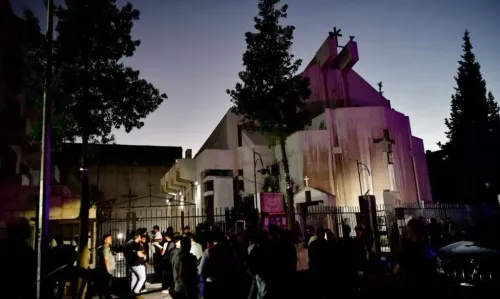
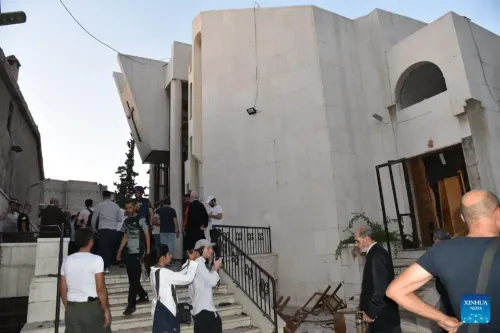
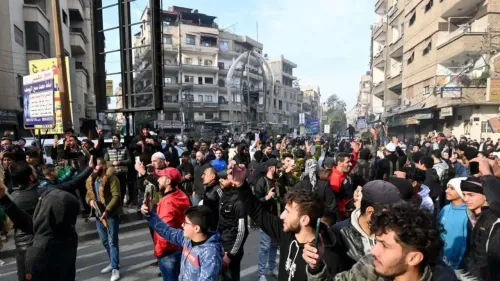
Tuesday's bombings are the latest in a series of security incidents in and around the Syrian capital. On 3 July, a bombing at a café near the Justice Palace in central Damascus killed nine people and injured 20 others; interior authorities described it as a terrorist attack using an improvised explosive device weighing approximately one kilogram and packed with metal fragments. The following day, 4 July, Syrian authorities said they had foiled an attempt to bomb a passenger bus in a Damascus suburb. Earlier, on a Friday, three security personnel were wounded in an attack at a checkpoint in the Damascus suburb of Jaramana. This is at least the third significant security incident in Damascus within a week.
Diplomatic Stakes of the Visit
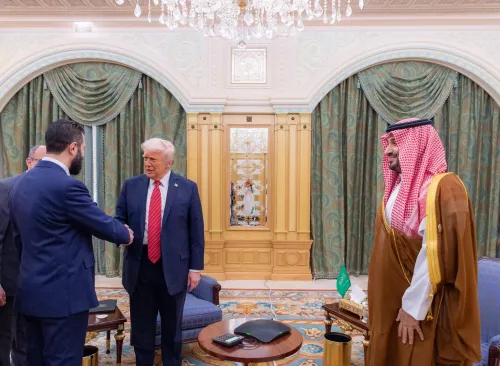
Macron's arrival in Damascus signals a broader European recalibration toward Syria's new leadership under Ahmad al-Sharaa. The visit carries significant symbolic weight — it is the first by a major European head of state since the end of the Assad era — and is being watched closely by regional and Western governments assessing whether to re-engage with Damascus. The timing of the explosions, minutes before the presidential summit, will inevitably raise questions about the security environment surrounding Syria's political transition.
Syrian authorities have not attributed the latest blasts to any group, and investigations remain active. The international community will be watching closely to see whether the new Syrian administration can contain the security volatility that has accompanied its early months in power.
Point of View
And the pattern of attacks over the past week suggests organised spoiler activity aimed at undermining Syria's diplomatic rehabilitation. The new al-Sharaa administration faces a fundamental contradiction: it needs international engagement to stabilise the economy and legitimise its rule, yet every security incident chips away at the credibility it is trying to project. For Macron, pressing ahead with the visit despite the explosions sends a deliberate signal of support, but it also risks normalising a security environment that is far from stable. The harder question — who benefits from destabilising Damascus at precisely this moment — remains unanswered, and Syrian authorities' public communications so far have been thin on attribution.
NationPress
6 Oct 2026
Frequently Asked Questions
What happened in Damascus on 7 July 2025?
Two improvised explosive devices detonated near the Ministry of Tourism in Damascus on 7 July, injuring 18 people including four police officers. The blasts occurred shortly before French President Emmanuel Macron was scheduled to meet Syrian President Ahmad al-Sharaa at the presidential palace.
Was Emmanuel Macron harmed in the Damascus explosions?
No. The French President's office confirmed that Macron was safe and that his visit to Damascus was continuing, according to Le Monde. Several reports indicated the explosions took place near the hotel where he is reportedly staying.
Why is Macron's Syria visit significant?
Macron is the first senior European leader to visit Syria since the fall of Bashar al-Assad's regime, making the trip a major diplomatic milestone. The visit signals a potential European re-engagement with Syria's new administration under Ahmad al-Sharaa.
How were the explosive devices constructed and placed?
According to Syria's Interior Ministry, the two devices were primitive in construction. The first was concealed inside a parked car on the roadside, and the second was placed inside a garbage container. Security forces had detected them and begun dismantling procedures when both detonated prematurely.
Is this part of a broader pattern of attacks in Damascus?
Yes. A café bombing near the Justice Palace on 3 July killed nine people and injured 20, and authorities foiled a bus bombing attempt on 4 July. Three security personnel were also wounded at a checkpoint in the Damascus suburb of Jaramana in the same period — making Tuesday's blasts at least the third major incident in the capital within a week.