Damascus blasts injure 18 during Macron's Syria visit, security holds
Synopsis
Two IEDs exploded in central Damascus while Emmanuel Macron was on the first French presidential visit to Syria in over 15 years — injuring 18, including four police officers. The blasts fit a disturbing pattern of targeted bombings in the capital, yet Macron pressed ahead, signing investment deals across seven sectors. The question is whether France's diplomatic bet on Syria's stability can hold as the capital's security frays.
Key Takeaways
Two IED blasts struck central Damascus on 8 July , injuring 18 people , including four police officers .
The explosions occurred while French President Emmanuel Macron was in the city; his motorcade was reportedly 10 km from the blast sites.
One device was hidden in a parked vehicle , the other in a roadside garbage container near the tourism authorities building.
Four individuals required surgery; the visit continued as scheduled and was not disrupted.
Macron met interim Syrian leader Ahmad al-Sharaa and signed investment agreements covering ports, aviation, energy, water, healthcare, digital infrastructure, and manufacturing .
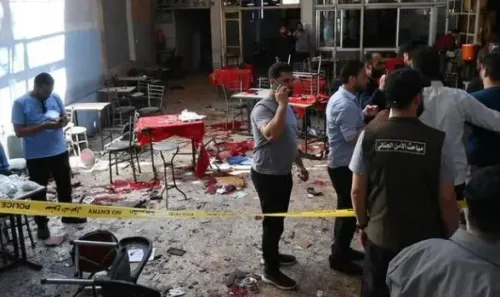
The blasts follow a cafe bombing near the Palace of Justice less than a week earlier that killed at least nine people , and a May car bomb outside the defence authorities that killed one soldier.
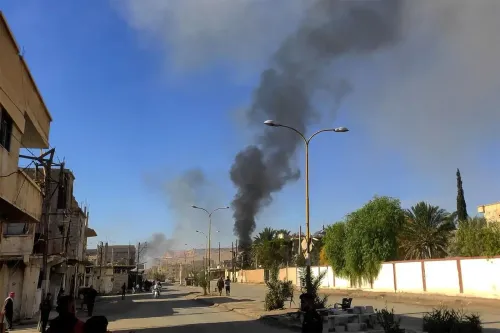
Two explosions rocked central Damascus on Tuesday, 8 July, injuring 18 people — including four police officers — while French President Emmanuel Macron was in the Syrian capital on a landmark diplomatic visit. Interior authorities confirmed the blasts posed no threat to Macron's residence or the visit, which continued as scheduled.
How the Blasts Unfolded
According to a statement carried by Syrian state media, security forces detected two improvised explosive devices (IEDs) during field operations. Both detonated while personnel were preparing to defuse them. Interior chief Anas Khattab said the first explosion occurred at 10:15 a.m. local time (0715 GMT), with a second following approximately eight minutes later.
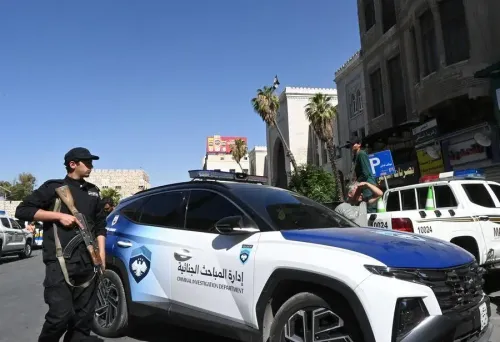
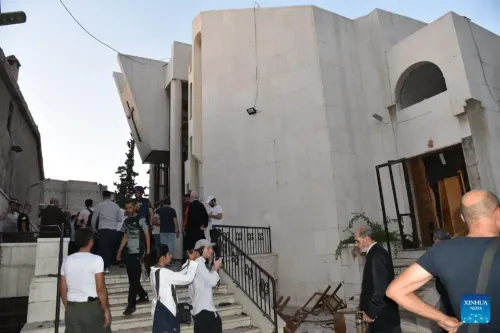
Preliminary investigations indicate one device was concealed inside a parked vehicle, while the second was hidden in a roadside garbage container near the building housing the tourism authorities. Macron's motorcade was reportedly about 10 km from the blast site at the time. Special units subsequently swept the surrounding area and found no additional devices, though several roads remained closed as security forces analysed surveillance footage.
Casualties and Injuries
Of the 18 injured, the majority sustained minor wounds, according to Khattab. However, four individuals were undergoing surgery as of Tuesday. The injured were described as largely security personnel. The blasts occurred outside the security perimeter designated for the French president's residence.
Macron's Visit Proceeds — Historic Significance
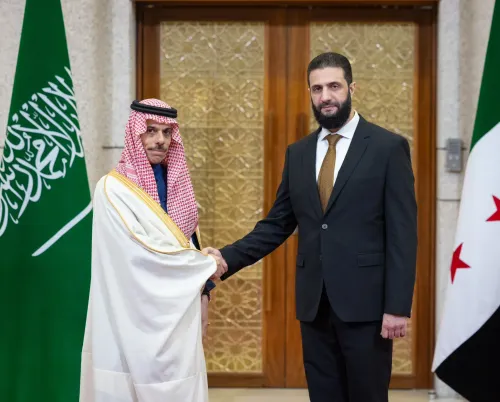
The explosions did not derail what is the first visit by a French president to Syria since 2009. Shortly after the blasts, interim Syrian leader Ahmad al-Sharaa received Macron at the People's Palace in Damascus for talks on bilateral ties and regional developments. The visit later included a Syrian-French business forum, at which both leaders launched joint economic committees and signed memorandums of understanding and investment agreements spanning ports, aviation, energy, water, healthcare, digital infrastructure, and manufacturing.
Macron stated that France is prepared to support Syria's reconstruction and banking reforms, and emphasised that facilitating the voluntary return of Syrian refugees and advancing Syria's economic recovery are among the cooperation priorities.
A Capital Under Persistent Threat
Tuesday's explosions are the latest in a series of security incidents that have rattled Damascus in recent weeks. Less than a week earlier, a cafe bomb near the Palace of Justice in central Damascus killed at least nine people and wounded 20 others. In May, a car bomb outside the defence authorities killed one soldier and injured at least 18 people — again after security forces had attempted to defuse a nearby device.
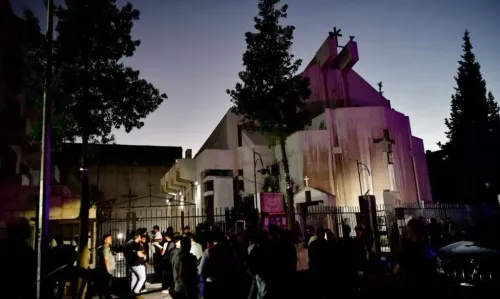
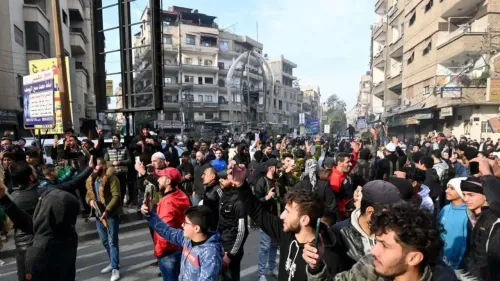
The pattern points to a deliberate targeting of security and administrative zones in the capital. Observers in Damascus noted unusually light traffic and fewer pedestrians on Tuesday evening, as many residents chose to stay indoors following the blasts.
What Comes Next
Security forces are continuing search operations and analysing surveillance footage linked to the vehicle used in the attack. The frequency of IED incidents in central Damascus raises questions about the durability of the security arrangements underpinning Syria's post-conflict transition — and whether the diplomatic momentum from Macron's visit can be sustained against a backdrop of recurring violence.
Point of View
Even if investigators have not yet attributed responsibility. What is striking is how quickly both governments moved to contain the narrative: the visit proceeded, the business forum ran, agreements were signed. But the pattern of IED attacks in Damascus — a cafe, a defence building, now a tourist-authority street — suggests a deliberate campaign against the capital's administrative and security geography. France's willingness to push through reflects a strategic calculation that engagement cannot wait for perfect stability. The harder question, which Tuesday's events underscore, is whether Syria's interim authorities can secure the capital while simultaneously managing a complex diplomatic reopening.
NationPress
6 Oct 2026
Frequently Asked Questions
What happened in Damascus on 8 July 2025?
Two improvised explosive devices detonated in central Damascus on 8 July, injuring 18 people including four police officers. Security forces had detected the devices during field operations, and both exploded while personnel were preparing to defuse them.
Was French President Macron in danger during the Damascus blasts?
Macron was not in immediate danger. Authorities confirmed his motorcade was approximately 10 km from the blast sites, and the explosions occurred outside the security perimeter designated for his residence. The visit continued as scheduled.
What is the significance of Macron's visit to Syria?
It is the first visit by a French president to Syria since 2009, making it a major diplomatic milestone. Macron met interim Syrian leader Ahmad al-Sharaa and signed investment agreements spanning ports, aviation, energy, water, healthcare, digital infrastructure, and manufacturing.
How many people were injured in the Damascus explosions?
Eighteen people were injured, the majority sustaining minor wounds. Four individuals required surgery, according to Interior chief Anas Khattab. The injured were described as largely security personnel.
Is this the first recent bombing in Damascus?
No. Less than a week before the 8 July blasts, a cafe bomb near the Palace of Justice killed at least nine people and wounded 20. In May, a car bomb outside the defence authorities killed one soldier and injured at least 18, following a similar attempted defusal of a nearby device.