275 Indians missing in Nepal floods as forensic team works on 3,000 samples
Synopsis
More than a month after Nepal's devastating flash floods, 275 Indian nationals are still unaccounted for — and a joint Indo-Nepali forensic team is racing through 3,000 DNA samples in Kathmandu to identify victims. With nine IAF relief flights dispatched and a 54-member rescue and forensic team on the ground, this is one of the most intensive bilateral disaster responses between the two neighbours in recent memory.
Key Takeaways
275 Indian nationals remain missing following flash floods in Nepal that struck on 26 August .
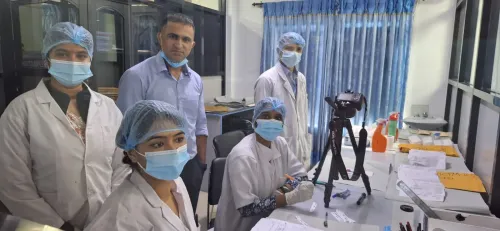
An Indian forensic team is working with Nepali experts in Kathmandu , processing 3,000 samples and completing 1,200 DNA profiles so far.
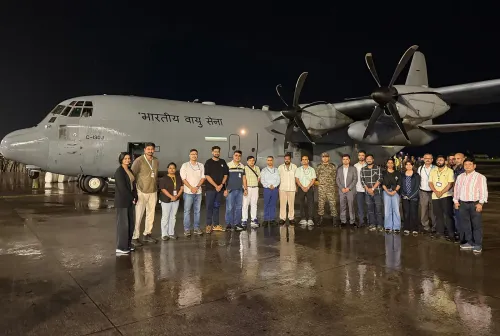
India sent a 54-member team to Nepal — including 30 tunnel rescue experts , 19 forensic experts , and a 5-member medical team .
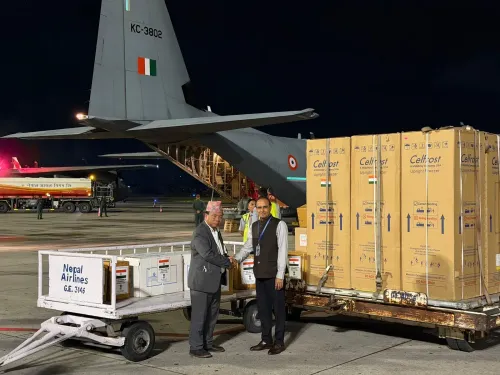
An Indian Air Force flight carrying 11 tonnes of supplies landed in Kathmandu on Saturday, marking India's ninth special relief flight.
MEA spokesperson Randhir Jaiswal confirmed India is awaiting further information from Nepali authorities on the missing nationals.
As many as 275 Indian nationals remain unaccounted for following the devastating flash floods in Nepal, the Ministry of External Affairs (MEA) confirmed on Tuesday, 22 September, adding that an Indian forensic team is actively working alongside Nepali counterparts in Kathmandu to identify victims through DNA analysis.
State of the Search and Forensic Work
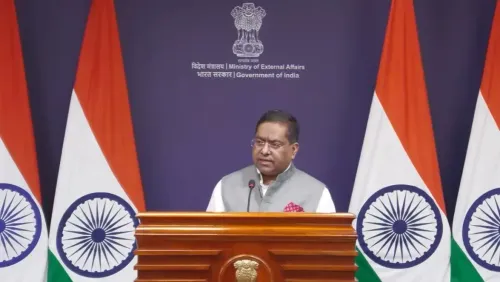
MEA spokesperson Randhir Jaiswal, speaking at the weekly media briefing, said the forensic team is processing samples across several laboratories in Kathmandu. 'We have a forensic team in Nepal which is working in Kathmandu in several laboratories along with their Nepali colleagues. They have been working on 3,000 samples, of which they have been able to arrive at 1,200 DNA profiles, so the work is going on,' Jaiswal said.
He noted that in addition to the 275 missing Indian nationals, several members of the Indian diaspora and persons of Indian origin are also unaccounted for. India is awaiting further updates from Nepali authorities on the status of the missing.
India's Relief and Rescue Response
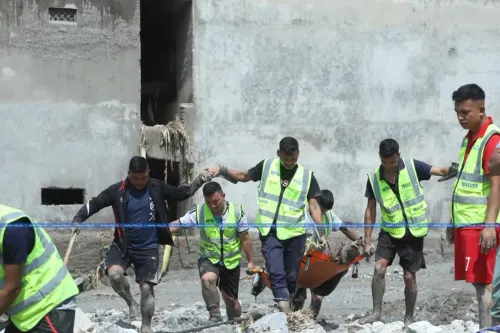
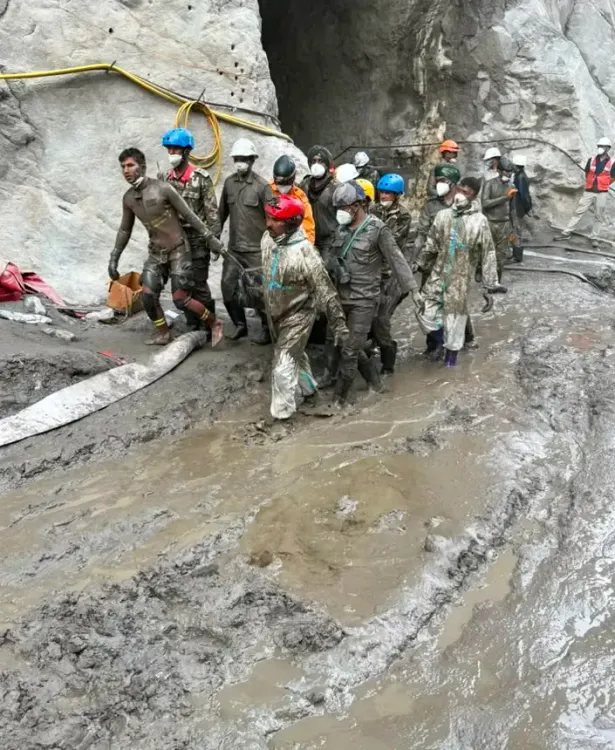
India dispatched a 54-member team to Nepal following the disaster, comprising 30 tunnel rescue experts, 19 forensic experts, and a five-member medical team. Some team members continue to operate on the ground while others have returned home, according to Jaiswal.
An Indian Air Force (IAF) flight carrying 11 tonnes of supplies landed in Kathmandu on Saturday, bringing the total number of special relief flights India has sent to nine since the floods struck on 26 August. These flights have transported relief material, equipment, and expert personnel.
What the Government Said
Jaiswal emphasised that India's assistance has been calibrated to requests from Kathmandu. 'When this incident happened, since then, we have provided assistance from our side based on the requests received from them. This included relief material, as well as the rescue teams that we sent there,' he said. He added that the Government of Nepal is currently assessing the overall situation.
Broader Context and What Comes Next
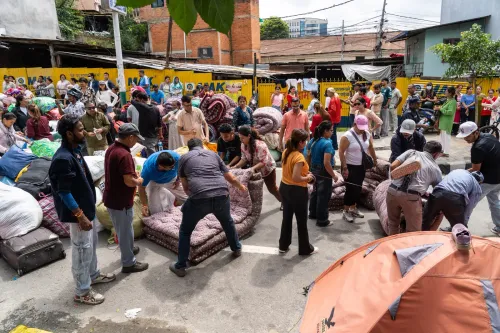
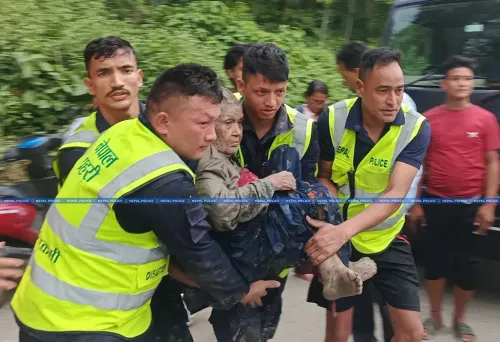
The Nepal flash floods, which struck on 26 August, caused widespread destruction across several districts, displacing thousands and triggering one of the most significant bilateral humanitarian responses between India and Nepal in recent years. This is not the first time Indian nationals have been caught in Nepal's flood-season disasters, given the large cross-border movement of workers, pilgrims, and tourists during the monsoon months.
Notably, the scale of forensic work — 3,000 samples being processed — underscores both the death toll and the challenge of identification in mass-casualty events involving multiple nationalities. The completion of DNA profiling will be critical before the final count of Indian casualties can be confirmed. India and Nepal are expected to continue close coordination as the Nepali government concludes its damage assessment in the weeks ahead.
Point of View
000 samples, only 1,200 profiles completed — is the real story here. Weeks after the floods, India still cannot confirm how many of its nationals have died, which points to both the scale of the disaster and the limits of cross-border disaster identification infrastructure. India's nine relief flights and a 54-member expert team signal strong bilateral intent, but the absence of a confirmed casualty figure will continue to unsettle families. The larger question is whether the India-Nepal disaster-response framework, however robust in intent, needs a standing forensic-identification protocol rather than one assembled in the aftermath of each crisis.
NationPress
22 Sept 2026
Frequently Asked Questions
How many Indians are missing in the Nepal floods?
As of 22 September, 275 Indian nationals are confirmed missing following the flash floods that struck Nepal on 26 August. Additionally, several members of the Indian diaspora and persons of Indian origin are also unaccounted for, according to the MEA.
What is the Indian forensic team doing in Nepal?
An Indian forensic team is working alongside Nepali experts in multiple laboratories in Kathmandu, processing 3,000 samples to identify flood victims through DNA analysis. So far, 1,200 DNA profiles have been completed, and work is ongoing.
What relief has India sent to Nepal after the floods?
India has dispatched nine special flights — including an Indian Air Force flight carrying 11 tonnes of supplies that arrived on Saturday — along with a 54-member team of tunnel rescue experts, forensic specialists, and medical personnel since the disaster struck on 26 August.
When did the Nepal flash floods occur?
The devastating flash floods in Nepal struck on 26 August, causing widespread destruction and triggering a major bilateral humanitarian response from India. The Government of Nepal is currently conducting a comprehensive assessment of the damage.
Who confirmed the update on missing Indians in Nepal?
MEA spokesperson Randhir Jaiswal provided the update during the weekly media briefing on Tuesday, 22 September, confirming both the missing persons count and the progress of the joint forensic identification effort in Kathmandu.