Qatar Ras Laffan explosion: 54 injured, 18 missing at Barzan gas facility
Synopsis
An explosion at Qatar's Barzan gas supply facility — part of the world's largest LNG export hub at Ras Laffan — has left 54 injured and 18 workers missing. The blast struck during restart operations following earlier regional conflict disruptions, raising urgent questions about infrastructure safety and the vulnerability of global gas supply chains.
Key Takeaways
An explosion struck the Barzan gas supply facility at Ras Laffan , Qatar, on Sunday night, 22 June .
At least 54 people were injured and 18 workers remain missing, according to Qatar's Interior Ministry .
QatarEnergy confirmed the blast occurred during efforts to restart the terminal following earlier regional disruptions.
The Barzan facility has a production capacity of nearly 1.4 billion standard cubic feet of gas per day, serving domestic power and desalination needs.
ExxonMobil holds a minority stake in the jointly operated complex and had not issued a detailed public response at the time of reporting.
Authorities are investigating the cause; it has not been confirmed whether the explosion was accidental or linked to external factors.
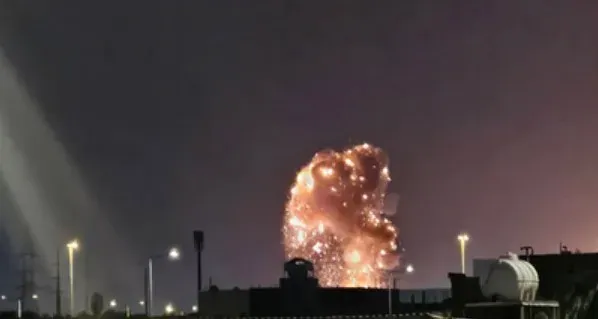
An explosion tore through the Barzan gas supply facility at Ras Laffan Industrial City in Qatar on Sunday night, 22 June, injuring at least 54 people and leaving 18 workers missing, according to official reports. The blast struck one of the world's most strategically critical energy hubs as technical teams were working to restore operations following earlier regional disruptions.
How the Explosion Unfolded
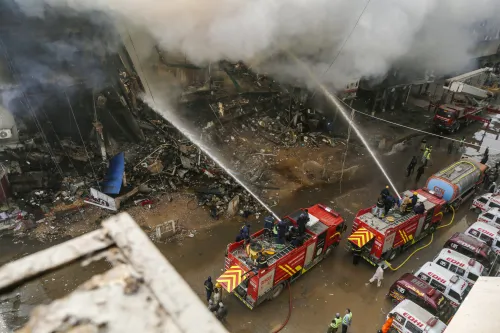
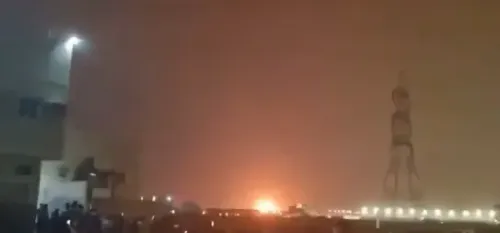
State energy company QatarEnergy confirmed that the incident occurred while crews were in the process of restarting sections of the export terminal. That restart effort, officials said, triggered the explosion and subsequent fire at the Barzan facility late on Sunday. Emergency response teams were rapidly deployed to the site as flames spread through the complex.
Qatar's Interior Ministry later confirmed casualty figures significantly higher than those initially reported, with at least 54 injured and search-and-rescue operations still active for 18 missing workers hours after the blast. Authorities have not yet confirmed whether the explosion was accidental or linked to external factors.
What the Barzan Facility Does
The Barzan gas supply facility carries a production capacity of nearly 1.4 billion standard cubic feet of sales gas per day. Its output is primarily channelled toward domestic electricity generation and powers the desalination plants that supply drinking water across the arid Gulf state — making it a critical piece of Qatar's national infrastructure, not merely an export asset.
The broader Ras Laffan complex is jointly operated by QatarEnergy and international partners, including a minority stake held by energy major ExxonMobil, which had not issued a detailed public statement as of the time of reporting.
Regional Context and Prior Disruptions
The explosion comes amid a period of heightened instability in the region. The Ras Laffan complex had reportedly been affected during recent regional conflict, with earlier accounts of missile strikes causing damage and forcing partial operational shutdowns. Officials said Sunday's blast occurred specifically as teams were attempting to restore those disrupted operations — raising questions about the safety protocols governing restart procedures under such conditions.
Notably, this is not the first time Gulf energy infrastructure has come under stress during periods of geopolitical tension, but an incident of this scale at Ras Laffan — the backbone of global liquefied natural gas supply — is particularly significant.
Global Energy Market Implications
Ras Laffan is the world's largest LNG export hub, and Qatar is among the top three LNG exporters globally. Any prolonged disruption to output could reverberate through energy markets in Asia and Europe, both of which depend heavily on Qatari gas supplies. The scale of infrastructure damage remains unclear pending the ongoing investigation and assessment by authorities.
Investigation and Search Operations
Authorities have launched a formal investigation into the cause of the explosion. Emergency and security teams are continuing search-and-rescue operations at the site. Officials have not yet attributed the blast to any specific cause — accidental or otherwise — and further updates are expected as the situation develops.
Point of View
And the fact that casualty figures were 'significantly higher than initially reported' suggests initial information management was incomplete. Ras Laffan is not just Qatar's asset; it is a linchpin of European and Asian energy security. If the damage proves structural rather than superficial, the ripple effects on spot LNG prices and long-term supply contracts could be substantial. The silence from ExxonMobil, a co-operator with global disclosure obligations, is also notable and warrants follow-up.
NationPress
22 Jun 2026
Frequently Asked Questions
What happened at Qatar's Ras Laffan gas facility?
An explosion struck the Barzan gas supply facility within the Ras Laffan Industrial City in Qatar on Sunday night, 22 June, injuring at least 54 people and leaving 18 workers missing. QatarEnergy confirmed the blast occurred during efforts to restart the terminal following earlier disruptions linked to regional conflict.
How many people were injured or missing in the Ras Laffan explosion?
Qatar's Interior Ministry confirmed at least 54 people were injured and 18 workers remain missing following the explosion. The casualty count was reportedly higher than figures initially disclosed, and search-and-rescue operations were still ongoing hours after the blast.
What is the Barzan gas facility and why does it matter?
The Barzan facility is a major component of Qatar's gas infrastructure with a production capacity of nearly 1.4 billion standard cubic feet of sales gas per day. It primarily powers Qatar's domestic electricity generation and desalination plants, and sits within Ras Laffan — the world's largest LNG export hub.
Was the explosion at Ras Laffan accidental or caused by an attack?
Authorities have launched an investigation but have not yet confirmed the cause. Officials have not stated whether the blast was accidental or linked to external factors, and no group has claimed responsibility as of the time of reporting.
Could the Ras Laffan explosion affect global energy supplies?
Potentially, yes. Ras Laffan is the backbone of global LNG supply, and Qatar is one of the world's top LNG exporters. A prolonged disruption could affect gas markets in Asia and Europe, both of which rely heavily on Qatari exports. The full scale of infrastructure damage remains unclear pending the ongoing assessment.