69 arrested as anti-immigrant protests turn violent in Eastern Cape
Synopsis
At least 69 people face public violence charges after anti-immigrant unrest swept through Jeffreys Bay and the Kouga region of South Africa's Eastern Cape, with 23 foreign-owned spaza shops looted and displaced foreign nationals moved to temporary shelters — even as Pretoria battles a diplomatic misinformation campaign portraying it as a 'pariah state' over its immigration policies.
Key Takeaways
69 suspects aged 18–52 were arrested on public violence charges following anti-immigrant unrest in Jeffreys Bay and the Kouga region on 17 July 2025 .
At least 23 foreign-owned spaza shops were looted during Thursday's violence; shops remained closed Saturday as a precaution.
Three injured people were referred for medical treatment; several foreign nationals were placed in temporary shelters.
All suspects are expected before the Humansdorp Magistrate's Court on Monday, 21 July ; further arrests are possible as investigators probe protest leaders.
The South African government separately rejected a misinformation campaign portraying it as a 'pariah state' over its handling of illegal migration, according to Presidential Spokesperson Vincent Magwenya .
South African police arrested 69 people after an anti-immigrant protest erupted into violence in Jeffreys Bay and the broader Kouga region of Eastern Cape Province on Thursday, 17 July 2025, with at least 23 foreign-owned spaza shops looted during the unrest. The arrests were confirmed on Saturday, 19 July, as authorities reported a return to calm in the area.
Arrests and Charges
The South African Police Service (SAPS) said the 69 suspects, aged between 18 and 52, were arrested on charges of public violence. All remain in custody and are expected to appear before the Humansdorp Magistrate's Court on Monday, 21 July. Several foreign nationals displaced during the violence were placed in temporary shelters for their safety, while three injured individuals were referred for medical treatment.
Police Response and Ongoing Investigation
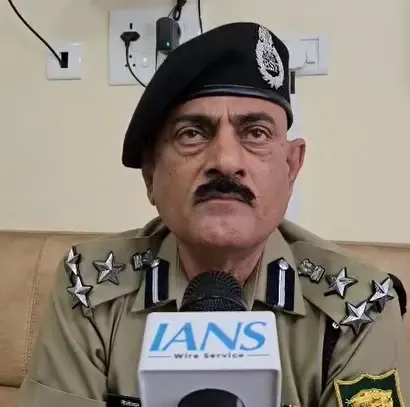
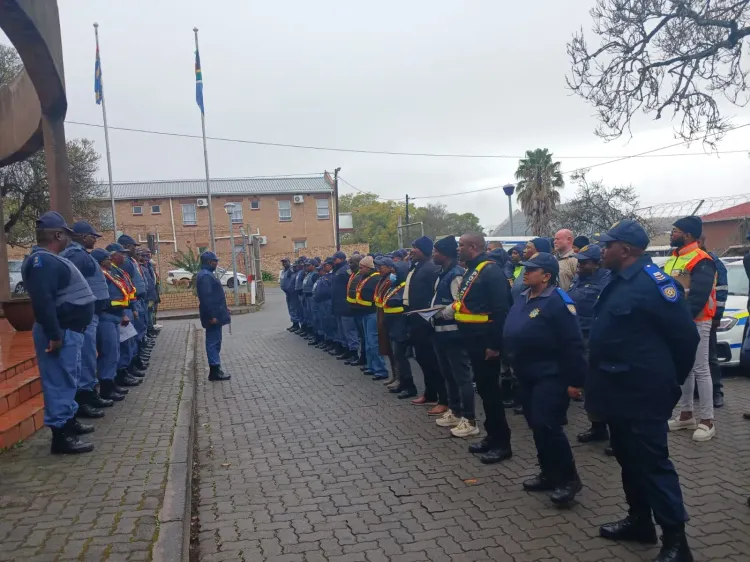
Eastern Cape Provincial Commissioner Vuyisile Ncata instructed the district to intensify search-and-seizure operations to recover looted property. Investigators are also probing the role of protest leaders in instigating Thursday's violence, with further arrests possible as the inquiry continues.
'We are satisfied with the current calm, but we will not let our guard down. I call on community leaders to continue engaging residents and to cooperate with police in handing over any looted goods. Lawlessness will not be tolerated, and those who break the law will face the full might of justice,' Ncata said.
As a precautionary measure, foreign-owned spaza shops in the Kouga region remained closed on Saturday, according to SAPS.
South Africa Pushes Back on 'Pariah State' Narrative
The violence comes amid a broader diplomatic row. On Wednesday, 16 July, the South African government rejected what it described as a sustained misinformation campaign portraying the country as isolated from the rest of Africa over its handling of illegal migration.
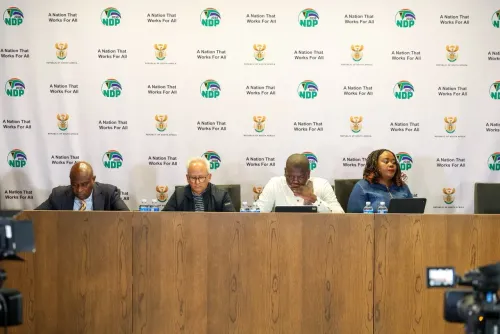
Speaking at a media briefing at the Union Buildings in Pretoria, Presidential Spokesperson Vincent Magwenya said the campaign — observed over the past two months — sought to cast South Africa as a 'pariah state' deserving referral to international courts. He said the effort persisted despite repeated official statements condemning vigilantism against foreign nationals and reaffirming the government's constitutional obligations.
'Even ordinary diplomatic exchanges over meetings have been deliberately misrepresented to create an impression that South Africa is being isolated,' Magwenya said.
Context: Rising Tensions Over Illegal Migration
Anti-immigrant sentiment in South Africa has intensified in recent years, with foreign-owned informal shops — known locally as spaza shops — frequently targeted during episodes of unrest. Critics argue that high domestic unemployment, housing shortages, and perceived competition from foreign traders fuel periodic outbursts of xenophobic violence. The Kouga incident is the latest in a pattern of such episodes that authorities have repeatedly struggled to contain.
With the Humansdorp court appearance set for Monday and investigations into instigators ongoing, the situation in the Eastern Cape remains closely watched.
Point of View
But the cycle of looting, arrest, and return to calm has repeated itself enough times to raise questions about whether law enforcement alone can break it. Pretoria's simultaneous battle against a 'pariah state' narrative suggests the international optics are now as much a concern as the domestic security situation. The real policy gap is structural: without credible progress on unemployment and township economic inclusion, spaza shops will continue to serve as lightning rods.
NationPress
17 Oct 2026
Frequently Asked Questions
How many people were arrested after the Eastern Cape anti-immigrant protests?
South African police arrested 69 people on charges of public violence following anti-immigrant unrest in Jeffreys Bay and the Kouga region on 17 July 2025. The suspects, aged between 18 and 52, are expected to appear before the Humansdorp Magistrate's Court on Monday, 21 July.
What happened to foreign nationals during the Eastern Cape unrest?
Several foreign nationals were displaced by the violence and placed in temporary shelters for their safety. Three people who sustained injuries during the unrest were referred for medical treatment, according to the South African Police Service.
What are spaza shops and why were they targeted?
Spaza shops are small informal convenience stores, many of which are owned by foreign nationals in South African townships and peri-urban areas. At least 23 such shops were looted during the Kouga unrest, reflecting a pattern of economic resentment that has repeatedly targeted foreign-owned informal traders during episodes of anti-immigrant violence in South Africa.
What is South Africa's government saying about the broader anti-immigration protests?
Presidential Spokesperson Vincent Magwenya said on 16 July that a two-month-long misinformation campaign was attempting to portray South Africa as a 'pariah state' deserving referral to international courts. The government has maintained it condemns vigilantism while affirming its responsibility to enforce immigration laws under the Constitution.
Could more arrests follow the Eastern Cape violence?
Yes. Eastern Cape Provincial Commissioner Vuyisile Ncata confirmed that investigators are probing the role of protest leaders in instigating Thursday's violence, and further arrests remain possible as the investigation continues. Search-and-seizure operations to recover looted goods are also ongoing.