Cyril Ramaphosa urges rule of law amid South Africa migration crackdown
Synopsis
South African President Cyril Ramaphosa has drawn a hard line: crack down on illegal migration, yes — but vigilante violence and document checks by private citizens will not be tolerated. With Ghana pushing for an African Union debate in June, Pretoria is caught between domestic pressure and its pan-African identity.
Key Takeaways
President Cyril Ramaphosa issued a rule-of-law warning on 11 May amid intensifying anti-illegal migration protests across South Africa.
Violent protests and vigilante document checks have been reported in Johannesburg , Pretoria , and Durban since late April .
Ramaphosa acknowledged migration strains on healthcare, housing, and municipal infrastructure in poor communities.
South Africa rejected accusations of xenophobia, calling recent incidents isolated .
Ghana has requested an African Union debate on the matter at the Mid-Year Coordination Summit in June 2025 .
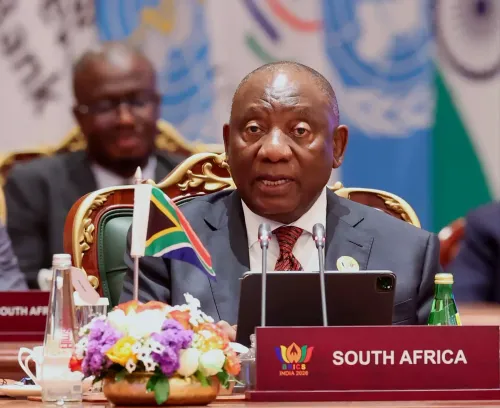
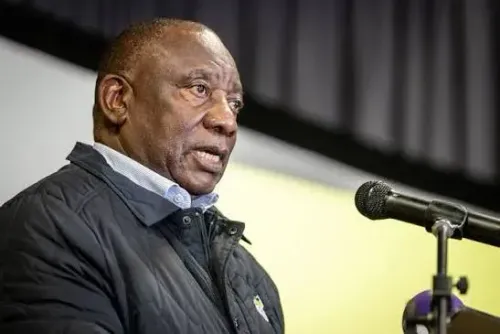
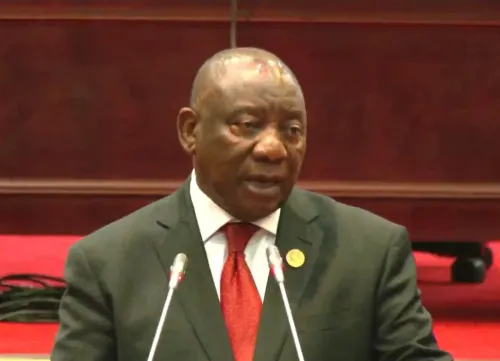
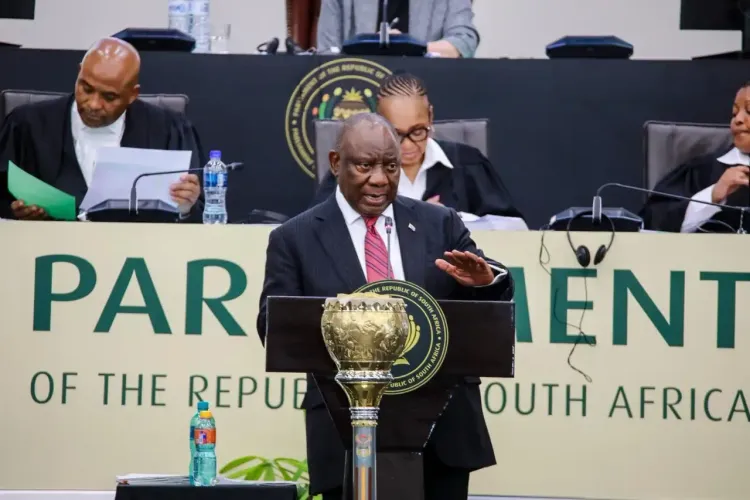
South African President Cyril Ramaphosa on Monday, 11 May urged both citizens and foreign nationals to respect the rule of law as his government intensifies efforts to address illegal migration. Writing in his weekly newsletter, Ramaphosa condemned recent violent protests and criminal acts targeting foreign nationals in parts of the country, warning that such conduct would not be tolerated.
Ramaphosa's Key Message
The President drew a sharp distinction between legitimate public concern over undocumented migration and the vigilante conduct seen in recent weeks. He described those involved in the violence as "opportunists who are exploiting the legitimate grievances, particularly those of the poor, under the false guise of 'community activism."
Ramaphosa specifically flagged incidents in which individuals were unlawfully checking identification documents and searching private property — duties reserved exclusively for state authorities. "Such lawlessness will not be tolerated, regardless of who the perpetrators or victims are," he said.
Anti-Migration Protests Across Major Cities
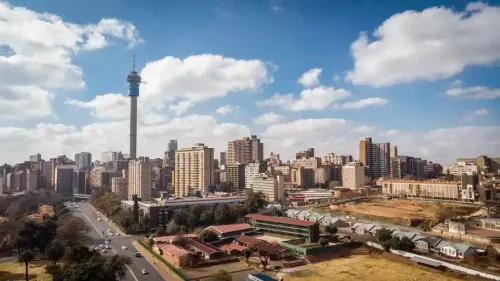
From late April, anti-illegal migration marches have swept through several South African cities, including Johannesburg, Pretoria, and Durban. Some groups have demanded that undocumented migrants leave the country, with a handful of incidents descending into violence and property searches by private individuals.
Notably, this is not the first time South Africa has faced such tensions. The country has a documented history of xenophobic violence, including major episodes in 2008 and 2019, making the current crackdown politically sensitive both domestically and across the African continent.
Government Acknowledges Migration Pressures
Ramaphosa acknowledged that undocumented migration places real strain on public services — including healthcare, housing, and municipal infrastructure — particularly in poorer communities. He also noted that some employers exploit undocumented migrants by paying wages below legal standards, a practice he said fuels tensions with local communities.
"In tackling illegal migration, we are balancing our constitutional and international obligations with safeguarding national security," the President said. "Our demonstrated commitment to deepening African integration and solidarity should not be undermined by isolated acts of criminality."
Diplomatic Fallout and African Union Scrutiny
South Africa on Friday rejected accusations that the country is xenophobic, describing recent incidents as isolated while reaffirming its openness to diplomatic engagement with African nations on migration issues. The statement came after Ghana requested that the African Union debate the matter at the upcoming African Union Mid-Year Coordination Summit in June, describing the incidents as "xenophobic attacks" against African nationals.
Ramaphosa was unequivocal in his closing position: "We must make it clear that there is no place in South Africa for xenophobia, ethnic mobilisation, intolerance, or violence." With the AU summit approaching, Pretoria faces growing pressure to demonstrate that its crackdown on illegal migration does not come at the cost of its pan-African commitments.
Point of View
And the government's belated crackdown now risks being read internationally as capitulation to mob pressure. With Ghana forcing an AU debate in June, Pretoria's pan-African credentials are on the line — and a vague rejection of xenophobia without concrete enforcement data is unlikely to satisfy either domestic critics or continental partners.
NationPress
23 Sept 2026
Frequently Asked Questions
What did President Cyril Ramaphosa say about illegal migration in South Africa?
Ramaphosa urged citizens and foreign nationals to respect the rule of law, condemned vigilante violence targeting foreign nationals, and warned that unlawful conduct — including private document checks — would not be tolerated. He also acknowledged that undocumented migration strains public services in poor communities.
What triggered the anti-migration protests in South Africa?
Anti-illegal migration marches began in late April 2025 across Johannesburg, Pretoria, and Durban, with some groups demanding undocumented migrants leave the country. Some protests turned violent, with individuals unlawfully searching property and checking identification documents.
Is South Africa being accused of xenophobia?
Yes. Ghana has formally requested that the African Union debate what it calls 'xenophobic attacks' against African nationals in South Africa at the upcoming AU Mid-Year Coordination Summit in June 2025. South Africa has rejected the characterisation, describing the incidents as isolated.
What is the African Union's role in this issue?
Ghana has asked the African Union to place the treatment of African nationals in South Africa on the agenda of the Mid-Year Coordination Summit scheduled for June 2025. South Africa says it remains open to diplomatic dialogue with African countries on migration issues.
How has South Africa historically dealt with xenophobic violence?
South Africa has faced recurring episodes of xenophobic violence, including major outbreaks in 2008 and 2019. The government has consistently condemned such violence while struggling to address the underlying pressures of undocumented migration on public services and local labour markets.