ANC unveils 2026 local election manifesto, pledges water, jobs and anti-graft push
Synopsis
The ANC launched its 2026 local government election manifesto in Diepsloot on Sunday, with Ramaphosa doubling down on anti-corruption rules and promising 10,000 labour inspectors — but with municipal service failures mounting, the real question is whether voters will trust the pledges this time.
Key Takeaways
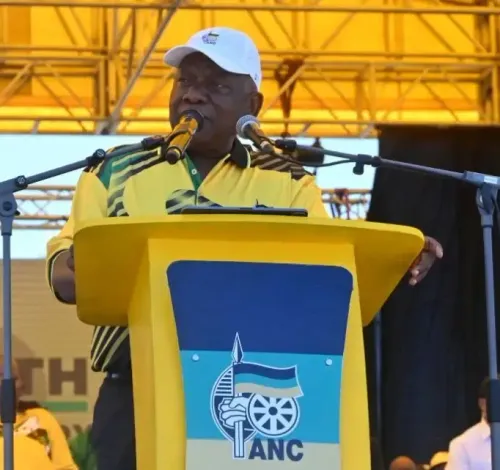
ANC President Cyril Ramaphosa launched the party's 2026 local government election manifesto in Diepsloot , north of Johannesburg, on Sunday .
The manifesto targets improved water and electricity supply, job creation, safer communities, and stronger anti-corruption enforcement.
The step-aside rule — requiring ANC members facing criminal charges to vacate positions — was reaffirmed as a central anti-graft commitment.
The government plans to deploy 10,000 labour inspectors to enforce compliance and verify legal employment at companies.
Municipalities are to be turned into 'engines of development' through investment attraction and small business financial support.
South Africa goes to local government polls on November 4 , with service delivery credibility a key battleground issue.
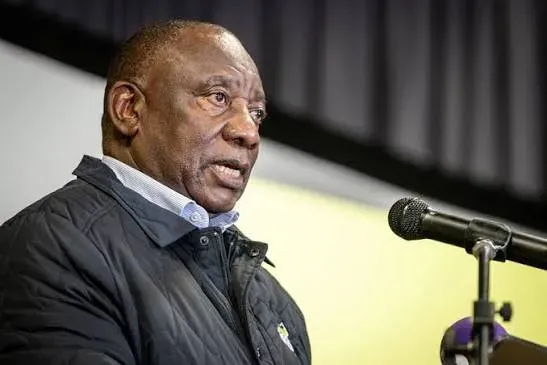
African National Congress (ANC) President Cyril Ramaphosa on Sunday launched the ruling party's manifesto for South Africa's November 4 local government elections in Diepsloot, north of Johannesburg, committing to stronger municipal governance, reliable basic services, economic growth, and a sharper crackdown on corruption. The manifesto sets the ANC's agenda for what analysts consider a critical test of the party's standing at the grassroots level.
Key Pledges in the Manifesto
Ramaphosa outlined five core priorities: improving the provision of water, electricity, and other basic services; strengthening local governance; promoting economic growth and job creation; building safer communities; and fighting corruption. He said municipalities would be transformed into 'engines of development' by attracting investment and creating jobs, with national and provincial governments providing financial support to small businesses to help them start or sustain operations.
Consultation and Drafting Process
According to Ramaphosa, the manifesto was shaped through nationwide consultations that included input from the Congress of South African Trade Unions, the South African National Civic Organization, lawyers' organisations, and residents of informal settlements. The breadth of consultation, the ANC argues, gives the document a grassroots mandate — though opposition parties are expected to contest that claim ahead of the November poll.
Anti-Corruption Measures
Ramaphosa highlighted the party's integrity commission and step-aside rule, under which ANC members facing criminal charges — including corruption — in court are required to relinquish their positions until their cases are concluded. The rule has been a flashpoint within the ANC in recent years, with several senior members contesting its application. Ramaphosa's renewed emphasis on it signals the party is leaning into accountability as an electoral message.
Safety, Immigration and Labour Compliance
On public safety, Ramaphosa said law enforcement agencies would work alongside Community Policing Forums to combat crime in streets, communities, and on public transport. Local authorities would also assist in enforcing immigration laws, and the government plans to deploy 10,000 labour inspectors to visit companies, verify legal employment status, and ensure regulatory compliance — a notable commitment that links safety policy directly to economic governance.
What Comes Next
With the November 4 local government elections approaching, the ANC faces pressure from opposition parties and civil society groups who argue that service delivery failures — particularly in water and electricity supply — have worsened under ANC-run municipalities. The manifesto's credibility will hinge on whether its pledges translate into measurable improvements before and after polling day.
Point of View
Electricity and safety are precisely the areas where ANC-run councils have drawn the most criticism. Reaffirming the step-aside rule is politically shrewd, but the rule's contested application within the party undermines its credibility as an anti-corruption signal. The 10,000 labour inspectors pledge is specific enough to be tracked — which makes it either a genuine accountability anchor or an easy target for opposition scrutiny if left unimplemented. Voters in informal settlements, who were cited as manifesto consultees, will be the sharpest judges of the gap between promise and delivery.
NationPress
8 Oct 2026
Frequently Asked Questions
What is the ANC's 2026 local government election manifesto about?
The ANC's 2026 local government election manifesto, launched by President Cyril Ramaphosa in Diepsloot on Sunday, commits the party to improving water and electricity supply, strengthening municipal governance, creating jobs, building safer communities, and fighting corruption. It sets the ANC's agenda for the November 4 local government elections.
Where and when was the ANC manifesto launched?
The manifesto was launched on Sunday in Diepsloot, north of Johannesburg, by ANC President Cyril Ramaphosa. It covers the party's priorities for South Africa's November 4, 2026 local government elections.
What is the ANC's step-aside rule?
The step-aside rule requires ANC members who face criminal charges — including corruption — in court to relinquish their party positions until their cases are concluded. Ramaphosa reaffirmed the rule as part of the party's anti-corruption commitment in the manifesto launch.
How many labour inspectors does the ANC plan to deploy?
The ANC has pledged to employ 10,000 labour inspectors to visit companies, ensure regulatory compliance, and verify that employees are legally in the country. The move is framed as part of a broader safety and economic governance agenda.
Who was consulted in drafting the ANC manifesto?
According to Ramaphosa, the manifesto was developed through nationwide consultations with the Congress of South African Trade Unions, the South African National Civic Organization, lawyers' organisations, and residents of informal settlements.