South Africa local elections 2026: Tensions, troops, and 136,790 candidates
Synopsis
South Africa goes to the polls on 4 November with 510 soldiers deployed in KwaZulu-Natal, dozens arrested after anti-immigrant violence in Soweto and Durban, and 136,790 candidates on the ballot. The elections are shaping up as a referendum on three decades of post-apartheid governance — and a stress test for the country's democratic institutions under acute social pressure.
Key Takeaways
South Africa's local elections are scheduled for 4 November 2026 , with 136,790 candidates contesting 10,526 council seats .
Anti-immigrant protests in Soweto and Durban earlier in October triggered public violence, with police arresting dozens.
President Cyril Ramaphosa deployed 510 SANDF soldiers to KwaZulu-Natal from 9 October to 30 November .
Authorities have sought a court order to ban planned demonstrations in Durban on public safety grounds.
The IEC has certified candidates across 8 metropolitan, 44 district, and 205 local municipalities .
Immigration, crime, and unemployment have become the dominant issues of the local election campaign.
South Africa is heading into its local elections on 4 November under a cloud of social unrest, with anti-immigrant protests, public violence arrests, and a military deployment in KwaZulu-Natal raising serious concerns about public security in the run-up to polling day. The vote will see 136,790 certified candidates contest 10,526 council seats across the country.
Unrest in Soweto and Durban
Recent outbreaks of violence in Johannesburg's Soweto township and Durban, triggered earlier this month by protests against irregular immigration, have brought long-simmering tensions to the surface. Police have arrested dozens of individuals on charges related to public violence, property damage, and unlawful gatherings. In KwaZulu-Natal Province, concerns remain particularly acute, with reports of threats against foreign nationals and commercial establishments.
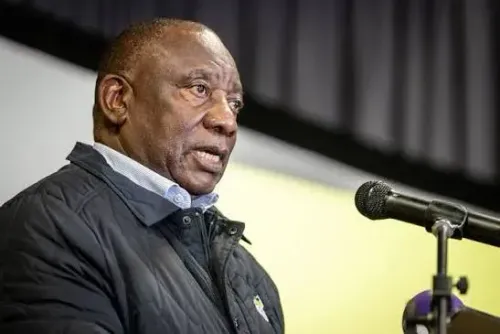
In response, South African President Cyril Ramaphosa authorised the deployment of 510 soldiers of the South African National Defence Force (SANDF) to the province from 9 October to 30 November to support police operations. Authorities have also sought a court order to block planned demonstrations in Durban, citing alleged threats to public safety.
Deeper Roots: Poverty, Services, and Immigration
More than three decades after the end of apartheid, many low-income communities across South Africa continue to face limited access to housing, education, healthcare, and basic services. In neighbourhoods where competition for employment and business opportunities is fierce, irregular migration has increasingly become a focal point of public frustration.
Anti-immigrant groups argue that undocumented foreign nationals place additional strain on employment, public services, and community resources — claims that rights advocates contest, noting that structural failures in service delivery predate recent migration trends. Residents in several townships have also voiced dissatisfaction over unreliable water and electricity supplies, deteriorating roads, inadequate sanitation, poor waste management, and delayed housing provision.
Elections at the Centre of the Storm
Against this charged backdrop, immigration, crime, and unemployment have emerged as dominant campaign themes ahead of the local elections. Political parties face the difficult challenge of addressing legitimate public grievances without stoking hostility toward minority communities or eroding the country's constitutional protections.
The Independent Electoral Commission (IEC) has continued preparations despite the unrest. According to the IEC, the 136,790 certified candidates will contest seats across 8 metropolitan municipalities, 44 district municipalities, and 205 local municipalities nationwide.
What Happens Next
With polling day on 4 November, security deployments remain in place across KwaZulu-Natal. The outcome of the elections — particularly at the municipal level — is expected to reflect voter frustration with service delivery failures and could reshape the balance of power in several key urban centres. How elected councils respond to immigration and infrastructure grievances will be closely watched in the weeks that follow.
Point of View
The legitimacy of outcomes — and the councils elected — will be contested before the first council meeting is held.
NationPress
30 Oct 2026
Frequently Asked Questions
When are South Africa's local elections in 2026?
South Africa's local elections are scheduled for 4 November 2026. The Independent Electoral Commission (IEC) has certified 136,790 candidates to contest 10,526 council seats across the country's metropolitan, district, and local municipalities.
Why did South Africa deploy soldiers to KwaZulu-Natal before the elections?
President Cyril Ramaphosa authorised the deployment of 510 South African National Defence Force soldiers to KwaZulu-Natal from 9 October to 30 November 2026 to assist police operations. The move followed anti-immigrant protests and outbreaks of violence in Durban and surrounding areas that raised fears of further unrest against foreign nationals.
What sparked the anti-immigrant protests in Soweto and Durban?
Protests against irregular immigration earlier in October triggered unrest in Johannesburg's Soweto township and in Durban. Demonstrators argued that undocumented foreign nationals strain employment, public services, and community resources — grievances that have intensified against a backdrop of high unemployment and deteriorating municipal services.
Who is contesting the South Africa local elections?
A total of 136,790 candidates have been certified by the IEC to contest seats across 8 metropolitan municipalities, 44 district municipalities, and 205 local municipalities. Immigration, crime, and unemployment have emerged as the leading campaign issues.
How do the current tensions connect to South Africa's post-apartheid history?
More than 30 years after apartheid ended, many low-income communities still lack reliable access to housing, education, healthcare, and basic infrastructure. Chronic service delivery failures have created conditions in which competition for scarce resources — and resentment toward perceived outsiders — can escalate quickly, particularly ahead of high-stakes electoral cycles.