South Africa 2026 Local Government Elections: 29.2 million voters urged to participate
Synopsis
With 29.2 million registered voters set to head to the polls on 4 November, South Africa's 2026 Local Government Elections are drawing a full government mobilisation — from a ministerial appeal on citizen participation to security deployments in high-risk provinces. The dual push on turnout and zero-tolerance law enforcement underscores both the democratic stakes and the logistical scale of the exercise.
Key Takeaways
29.2 million registered voters are being urged to participate in South Africa's 2026 Local Government Elections on 4 November 2026 .
Minister Velenkosini Hlabisa issued a public appeal stressing that local government decisions directly shape residents' services, neighbourhoods, and quality of life.
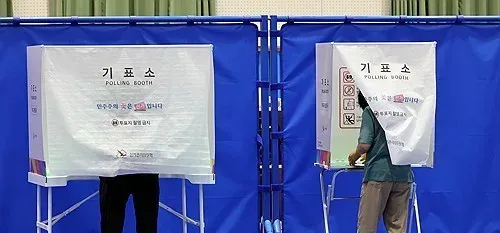
More than 2.65 million voters approved for special voting can cast ballots on Monday and Tuesday via IEC home visits and designated stations.
Deputy National Police Commissioner Tebello Mosikili confirmed nationwide security deployments, with KwaZulu-Natal and Gauteng receiving prioritised tactical capacity.
Authorities have warned of a zero-tolerance policy on voter intimidation, obstruction of polling stations, and illegal gatherings on election day.
Officials have called on media and the public to curb misinformation and refrain from using social media to incite violence.
The South African government has called on the country's 29.2 million registered voters to participate in the 2026 Local Government Elections scheduled for 4 November 2026, urging communities to exercise their democratic rights and hold municipal leadership accountable. The appeal comes as the country prepares for one of its most consequential electoral cycles at the local governance level.
Minister's Appeal to Voters
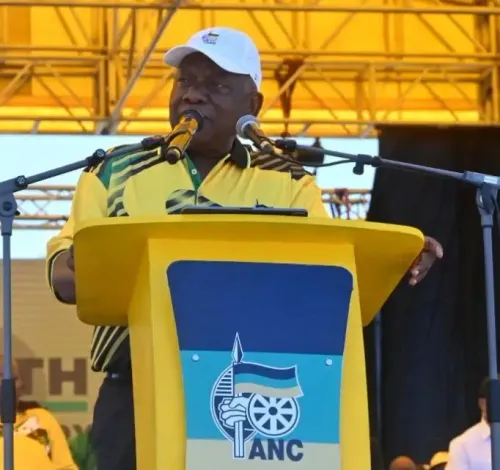
Minister of Cooperative Governance and Traditional Affairs Velenkosini Hlabisa released a media statement on Sunday urging all registered voters to turn out on election day. 'I urge you not to underestimate the power of your vote. A stronger local government begins with active citizen participation. Through voting, communities have the opportunity to shape the leadership and direction of their municipalities and ensure that local government remains accountable to the people it serves,' Hlabisa said.
He emphasised the direct impact of local governance on residents' everyday lives. 'The decisions made at the local government level directly affect the services residents receive, the development of their neighbourhoods, and the quality of life of future generations,' he added. Hlabisa noted that the success of the next term of local government would hinge not only on elected leaders and municipal administrations, but equally on communities' active participation and oversight.
Special Voting for 2.65 Million Approved Voters
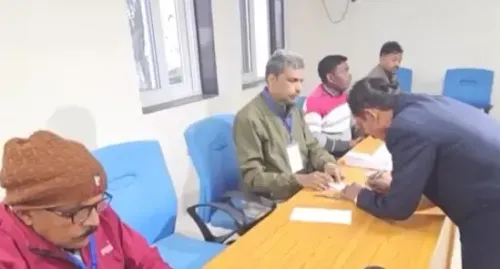
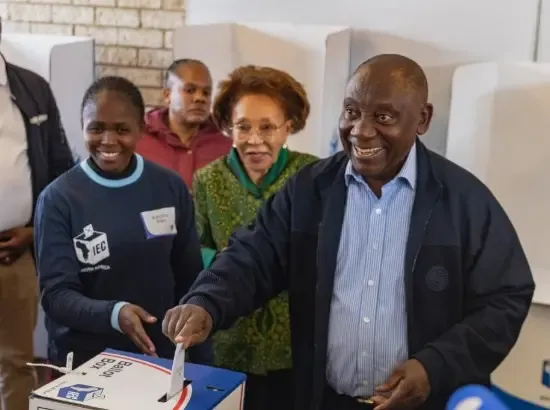
Hlabisa also encouraged more than 2.65 million voters who have been approved for special voting to cast their ballots on Monday and Tuesday, ahead of the main election day. Independent Electoral Commission (IEC) officials are set to visit homes and designated stations to facilitate the special voting process for those who cannot attend regular polling stations.
Security Deployment Across High-Risk Areas
Addressing the media in Pretoria on Sunday night alongside security cluster representatives, Deputy National Police Commissioner Tebello Mosikili confirmed that operational personnel had already been deployed nationwide. Security force deployments are categorised by risk level across voting stations, with high-risk areas in KwaZulu-Natal and Gauteng receiving prioritised tactical capacity.
Mosikili, who also serves as co-chairperson of the National Joint Operational and Intelligence Structure, warned that law enforcement would maintain a zero-tolerance approach toward illegal activity. 'No individual or organisation has the right to obstruct voting stations, threaten electoral officials, intimidate voters, or undermine another person's democratic rights,' she said, stressing that no marches, demonstrations, or illegal gatherings would be permitted on voting day.
Curbing Misinformation Around Election Day
Mosikili further urged media outlets to rigorously verify information before publishing, and called on the public to refrain from circulating unverified content or using social media platforms to incite violence. The warning reflects growing concerns about the role of misinformation in destabilising electoral processes — a pattern observed in several recent African electoral cycles. With 4 November approaching, the government's dual focus on turnout and security signals both the scale of the exercise and the vulnerabilities it must manage.
Point of View
Corruption scandals, and coalition instability since the 2021 polls. The government's unusually emphatic turnout appeal, paired with an early and visible security mobilisation in KwaZulu-Natal and Gauteng, suggests authorities are wary of both low participation and the kind of post-election unrest that scarred parts of the country in 2021. What mainstream coverage tends to underplay is the tension between encouraging turnout and suppressing political gatherings on election day — a line that, in contested municipalities, can be difficult to hold. Whether the IEC's special voting mechanism meaningfully expands access for the 2.65 million approved voters, or becomes a logistical bottleneck, will be a quiet but telling indicator of institutional readiness.
NationPress
2 Nov 2026
Frequently Asked Questions
When are South Africa's 2026 Local Government Elections?
The main voting day for South Africa's 2026 Local Government Elections is 4 November 2026. Special voting for the more than 2.65 million approved voters takes place on Monday and Tuesday, with IEC officials facilitating the process at homes and designated stations.
How many registered voters are there for the 2026 South African municipal elections?
South Africa has 29.2 million registered voters eligible to participate in the 2026 Local Government Elections. The government has made a public appeal urging all of them to cast their ballots on election day.
Who is overseeing voter appeals and election security?
Minister of Cooperative Governance and Traditional Affairs Velenkosini Hlabisa has led the government's voter turnout appeal. Security oversight is being managed by Deputy National Police Commissioner Tebello Mosikili, who co-chairs the National Joint Operational and Intelligence Structure and confirmed nationwide deployment of security personnel.
Which provinces are considered high-risk for the 2026 elections?
KwaZulu-Natal and Gauteng have been identified as high-risk areas and are receiving prioritised tactical security capacity. Voting stations across the country are categorised by risk level to guide the deployment of security resources.
What restrictions apply on voting day in South Africa?
Authorities have confirmed a zero-tolerance policy on illegal activity, including obstruction of voting stations, voter intimidation, threats against electoral officials, and illegal gatherings. No marches or demonstrations will be permitted on 4 November 2026.