South Africa rejects US visa restrictions on officials over race policies
Synopsis
Pretoria has pushed back hard against Washington's latest move — visa restrictions targeting South African officials over alleged race-based discrimination. With the US citing threats to Afrikaners and South Africa calling it a mischaracterisation driven by fringe groups, the row signals a deepening diplomatic rift that began when Trump ordered Afrikaner resettlement in early 2025.
Key Takeaways
South Africa formally rejected US visa restrictions on its officials on 16 September 2026 .
Minister Ronald Lamola called the US move a mischaracterisation aligned with 'fringe groups' rather than genuine minority representation.
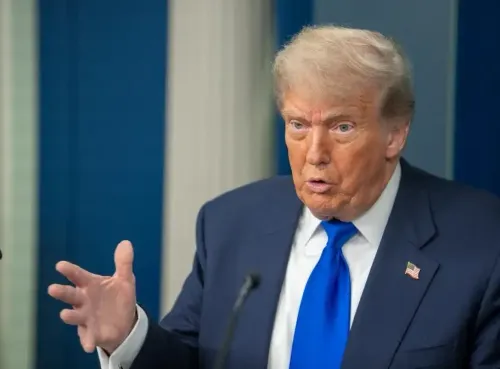
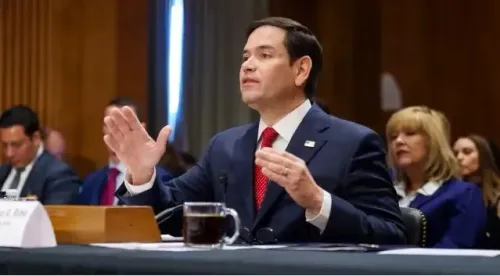
US Secretary of State Marco Rubio announced the restrictions on Tuesday , citing concerns over discrimination against Afrikaners and other minorities.
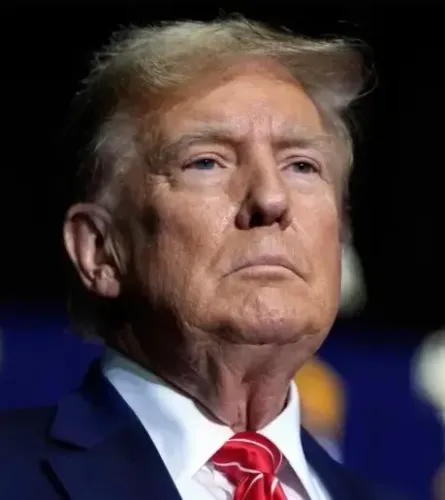
President Donald Trump had ordered facilitation of Afrikaner resettlement as refugees in February 2025 , deepening the bilateral rift.
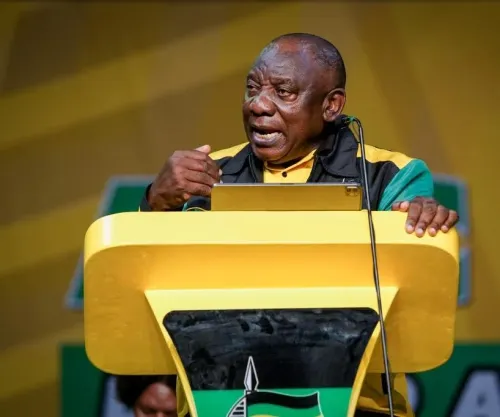
Pretoria insists the dispute can only be resolved through 'constructive engagement through state actors,' rejecting unilateral measures.
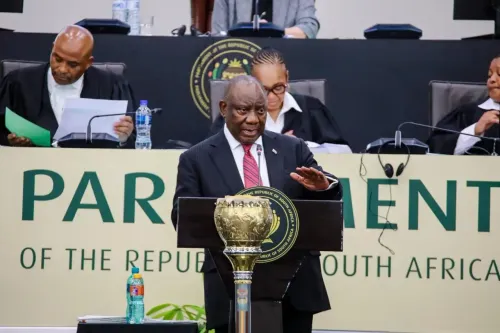
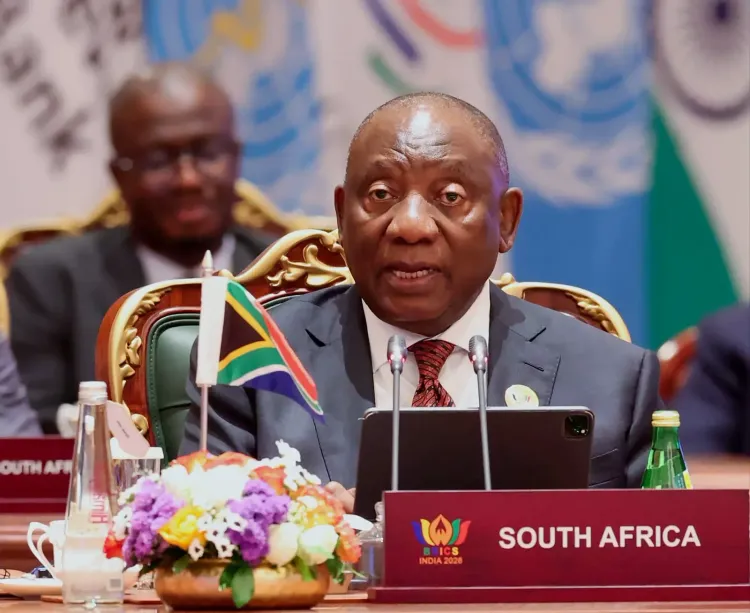
South Africa on Wednesday, 16 September 2026, formally rejected the United States' newly announced visa restrictions, with the government in Pretoria asserting that the move mischaracterises its domestic policies and undermines bilateral diplomatic efforts. The rejection came hours after US Secretary of State Marco Rubio unveiled a policy targeting South African officials allegedly involved in 'race-based discrimination.'
Pretoria's Official Response
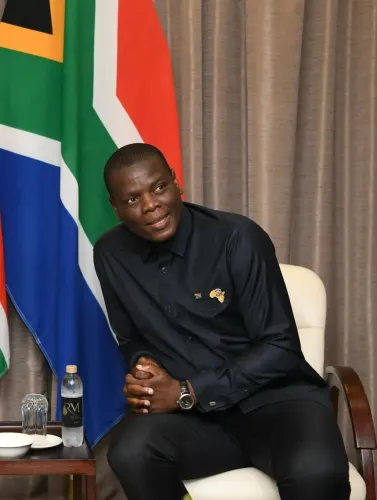
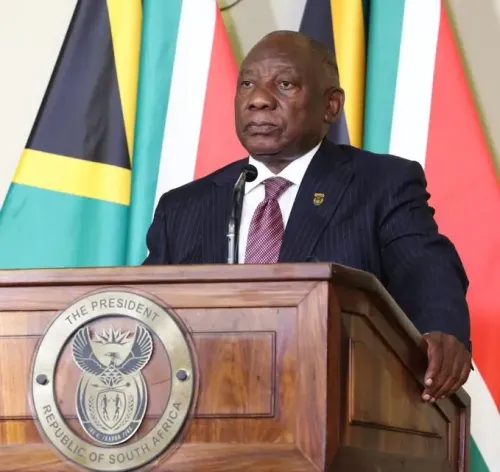
South African Minister of International Relations and Cooperation Ronald Lamola issued a pointed statement, saying the US announcement 'once again aligns with the mischaracterization of South Africa's domestic policies by fringe groups who wrongly portray themselves as representatives of minorities and Afrikaners in general.' Lamola maintained that while Washington may hold differing views on South African governance, Pretoria expects its sovereignty, democracy, and Constitution to be respected.
'We remain committed to addressing these challenges through our constitutional institutions, democratic processes and the rule of law, with the objective of building a more equal and inclusive society for all South Africans,' Lamola said.
What Washington Said
In his statement on Tuesday, Secretary Rubio said the United States remains 'gravely concerned about racially motivated crime and government-sponsored discrimination occurring against the Afrikaners and other minority populations in South Africa.' He specifically cited 'race-based discriminatory legislation, threats of land expropriation without compensation, and incitement of racial violence through dehumanizing chants and slogans' as areas of concern.
Afrikaners are a white ethnic group in South Africa, descended primarily from Dutch, French, and German settlers who arrived at the Cape from the 17th century onward.
Background: A Deepening Bilateral Rift
This latest escalation is part of a wider deterioration in US–South Africa relations that gained pace in early 2025. In February 2025, shortly after beginning his second term, US President Donald Trump ordered the US government to facilitate the resettlement of Afrikaners from South Africa as refugees, citing alleged racial discrimination and persecution — a move Pretoria rejected at the time as unwarranted interference.
The South African government has consistently denied claims that it is confiscating land or mistreating minority populations, describing such portrayals as politically motivated distortions. Notably, the US position has drawn criticism from a range of international observers who argue it echoes pressure tactics rather than constructive diplomacy.
The Diplomatic Path Forward
Minister Lamola stressed that 'challenges in our bilateral relations with the United States can only be resolved by constructive engagement through state actors on both sides of the diplomatic channel, not unilateral acts.' He noted that ongoing bilateral discussions on these matters demonstrate the importance both nations attach to finding a lasting resolution.
How Washington responds to Pretoria's formal rejection — and whether the visa restrictions are implemented as announced — will be closely watched by African diplomatic circles and international observers alike.
Point of View
And correctly identifies the structural problem: bilateral disputes settled through unilateral announcements, rather than state-to-state channels, tend to harden positions rather than resolve them. What is missing from Washington's framing is any acknowledgement that South Africa's constitutional framework — however contested — is a functioning democracy with its own accountability mechanisms. The risk is that continued US pressure, divorced from diplomatic process, pushes Pretoria further toward BRICS partners and away from Western-aligned institutions at a moment when that realignment has real geopolitical consequences.
NationPress
16 Sept 2026
Frequently Asked Questions
Why did South Africa reject US visa restrictions?
South Africa rejected the US visa restrictions, calling them a mischaracterisation of its domestic policies influenced by fringe groups. Minister Ronald Lamola said Pretoria expects its sovereignty, democracy, and Constitution to be respected, and urged resolution through bilateral diplomatic engagement rather than unilateral action.
What did US Secretary of State Marco Rubio announce?
Rubio announced on Tuesday a policy to impose visa restrictions on South African officials alleged to be involved in race-based discrimination. He cited concerns over discriminatory legislation, threats of land expropriation without compensation, and incitement of racial violence against Afrikaners and other minority populations.
Who are the Afrikaners and why are they central to this dispute?
Afrikaners are a white ethnic group in South Africa, primarily descended from Dutch, French, and German settlers who arrived at the Cape from the 17th century onward. The US has repeatedly cited their alleged mistreatment as the basis for its pressure on Pretoria, a claim the South African government disputes.
How did the US–South Africa tensions begin escalating?
Tensions accelerated in February 2025 when President Donald Trump, early in his second term, ordered the US government to facilitate the resettlement of Afrikaners from South Africa as refugees, citing alleged racial discrimination. South Africa rejected that move as interference, setting the stage for the current diplomatic standoff.
What is South Africa's position on resolving the dispute?
South Africa maintains that bilateral differences can only be resolved through constructive state-to-state diplomatic engagement, not unilateral acts. Minister Lamola has said both countries must engage through official diplomatic channels, and that Pretoria remains committed to addressing domestic challenges through its own constitutional institutions.