Why has the US Excluded South Africa from the 2026 G20 and Invited Poland?

Synopsis
The US has decided to exclude South Africa from the 2026 G20 Leaders’ Summit in Miami, criticizing the ANC-led government for its actions against US interests. Instead, Poland will be welcomed as a participant, reflecting its position among the world's largest economies. This shift highlights the current geopolitical landscape and the changing dynamics within the G20.
Key Takeaways
The US has excluded South Africa from the 2026 G20 Leaders’ Summit.
The exclusion stems from accusations against the ANC-led government of sabotaging economic objectives.
Poland has been invited to join the G20, reflecting its economic progress.
The US will focus on innovation, energy security, and regulatory reform.
The G20 Leaders’ Summit will take place in Miami in December 2026.
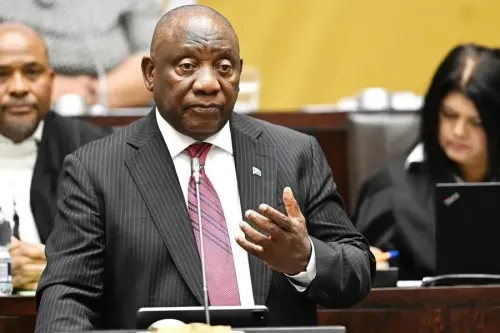
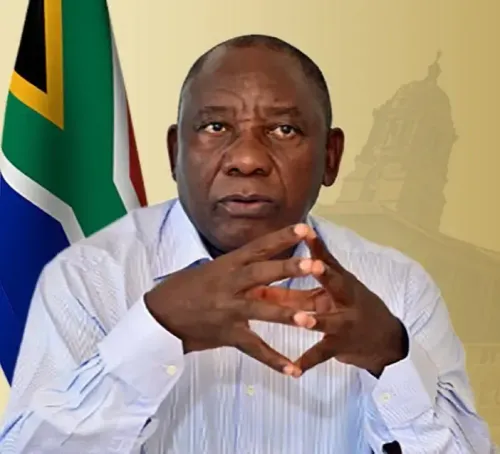
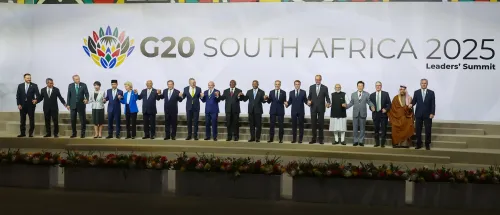
Washington, Dec 5 (NationPress) The United States, which took on the presidency of the Group of 20 as of December 1, announced that it will not include South Africa in the upcoming 2026 G20 Leaders’ Summit in Miami. This decision stems from allegations against the ANC-led government of undermining the forum's economic objectives, exhibiting hostility towards the US, and engaging in sabotage.
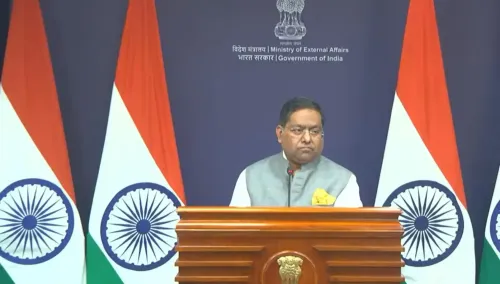
New Delhi is anticipated to monitor these developments closely, especially following India’s own recent presidency and its ongoing influence on G20 initiatives.
Elaborating on the US strategy for the 2026 cycle, Secretary of State Marco Rubio stated that the G20's focus will revert to essential objectives centered on economic growth.
In a post published on Substack, Rubio emphasized that the United States plans to underscore “innovation, entrepreneurship, and perseverance” during the celebration of America’s 250th anniversary, aiming to prioritize “eliminating regulatory obstacles, securing energy supply chains, and fostering new technologies and innovations.”
The initial Sherpa and Finance Track meetings are set to occur in Washington on December 15–16, culminating in the G20 Leaders’ Summit in Miami in December 2026.
Rubio confirmed that the US will extend invitations to “friends, neighbors, and partners of America,” including Poland, which he noted has now joined the ranks of the world’s 20 largest economies. He argued that Poland’s inclusion reflects its successful adoption of reforms and a forward-looking vision.
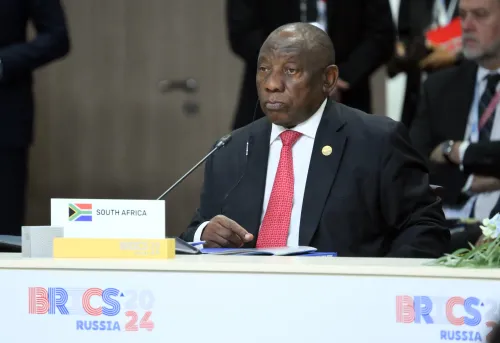
In stark contrast, he directed a broad critique at South Africa’s governance, claiming that post-Mandela, the government has shifted from reconciliation to policies focused on redistribution that deter investment and have driven many talented South Africans abroad. He stated that “racial quotas have crippled the private sector, while corruption has bankrupted the state,” thus placing the country outside the group of the 20 largest industrialized economies.
Rubio accused the ANC of targeting minorities and the United States, alleging a troubling trend of racism and violence against its Afrikaner population. He pointed to South Africa’s connections with Iran, its engagement with Hamas sympathizers, and its proximity to “America’s greatest adversaries.”
He remarked that South Africa’s presidency of the G20 this year has “damaged the G20’s reputation” by promoting “spite, division, and radical agendas,” including an excessive focus on climate change, diversity and inclusion, and aid dependency. He accused Pretoria of disregarding US concerns, obstructing inputs from Washington and other nations, and “doxing US officials involved in negotiations.”
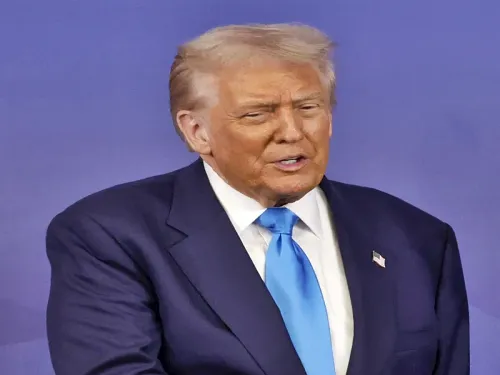
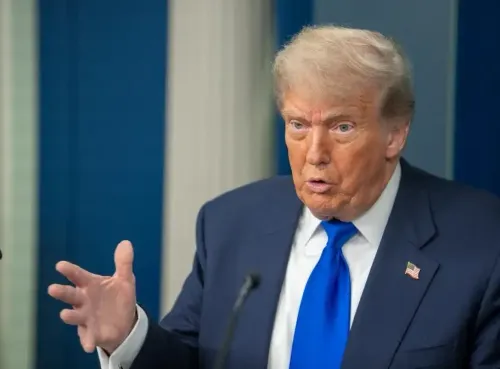
“For these reasons,” Rubio concluded, “President Trump and the United States will not be inviting the South African government.” He added that the US “stands with the people of South Africa, but not with its radical ANC-led leadership.”
A media note from the State Department reaffirmed the US presidency and reiterated its commitment to economic growth, energy security, and technological innovation. The G20 Leaders’ Summit is scheduled for Miami in December 2026.
Established in 1999 and elevated to a leaders’ level in 2008, the G20 comprises advanced and major emerging economies that drive global economic growth. The last time the US hosted the G20 was in 2009 when global leaders convened in Pittsburgh to coordinate responses to the financial crisis.
India, which successfully navigated the 2023 G20 to achieve consensus amidst geopolitical tensions, has prioritized inclusive growth, digital innovation, resilient supply chains, and development financing—areas that align with several US priorities for 2026. New Delhi is expected to observe the US presidency closely, particularly as Washington reshapes membership participation and reorients the forum towards advanced technology governance.
Point of View
This decision reflects the US's strategic recalibration in international relations. While the exclusion of South Africa may seem harsh, it underscores the importance of aligning with nations that share mutual values and economic goals, particularly as the geopolitical landscape evolves. The invitation extended to Poland signals a shift towards fostering relationships with reform-minded countries.
NationPress
24 Oct 2026
Frequently Asked Questions
Why was South Africa excluded from the G20?
The United States excluded South Africa from the 2026 G20 Leaders' Summit due to allegations against the ANC-led government of sabotaging economic goals and exhibiting hostility towards the US.
What are the key priorities for the US presidency of the G20?
The US plans to focus on economic growth, energy security, and technological innovation during its presidency of the G20.
Which country has been invited to join the G20?
Poland has been invited to participate in the 2026 G20 Leaders' Summit, reflecting its status as one of the world's largest economies.
What criticisms were made about South Africa's leadership?
Critics, including US Secretary of State Marco Rubio, have pointed to policies that discourage investment, promote racial quotas, and foster corruption as detrimental to South Africa's economy.
When and where will the G20 Leaders' Summit take place?
The G20 Leaders' Summit is scheduled to be held in Miami in December 2026.