Is Putin’s Visit to New Delhi a Turning Point for India's Foreign Relations?
Synopsis
Putin's visit to India signifies a critical moment in the nation's foreign policy as it navigates the intricate balance between its strategic ties with Russia and the pressures from the United States. Can India maintain its deep-rooted relationship with Moscow amidst rising geopolitical challenges?
Key Takeaways
Putin's visit underscores India’s diplomatic balancing act.
India aims to maintain strong ties with Russia amidst US pressures.
Trade, defense, and energy remain critical discussion points.
US tariffs reflect growing tensions over Russian imports.
Geopolitical dynamics are shifting, placing India at a crossroads.
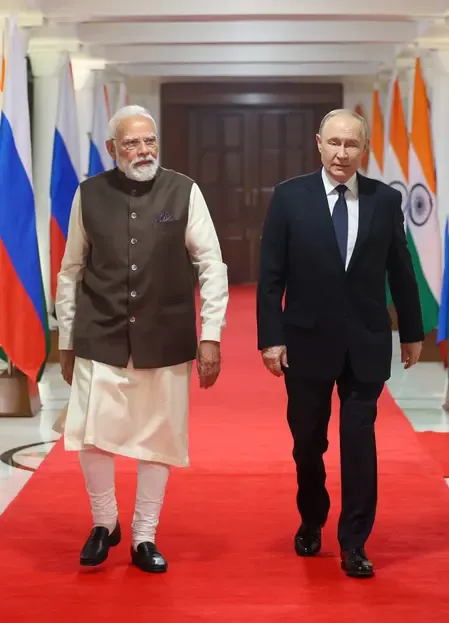
Washington, Dec 5 (NationPress) US media outlets have characterized Russian President Vladimir Putin’s visit to New Delhi as a crucial juncture in India’s diplomatic strategy, focusing on the Modi administration’s efforts to maintain its strong strategic alliance with Moscow while managing intense pressure from Washington.
Lalit K Jha
The Washington Post portrayed the visit as placing PM Modi in a “sensitive diplomatic situation,” noting that he must uphold his commitments to Russia “without aggravating President Donald Trump,” who has imposed penalties on India for its acquisition of Russian crude, accusing it of “aiding its ‘war machine’ in Ukraine.
According to the Post, Indian refiners have started decreasing their intake of Russian oil in light of tightening US and European sanctions, a transition analysts labeled a “significant setback” to Moscow’s wartime financial resources.
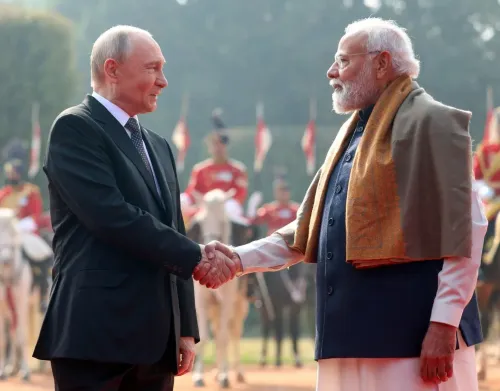
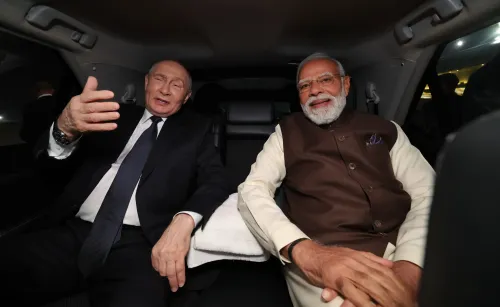
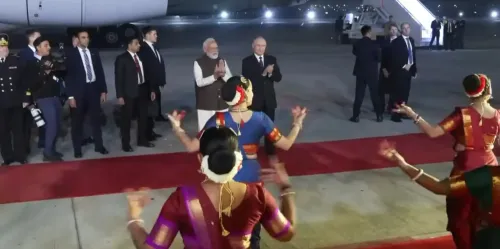
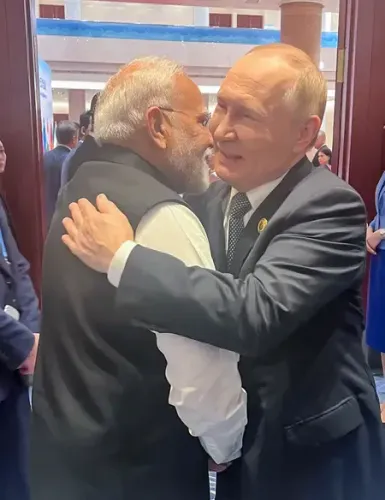
The New York Times emphasized the significance of PM Modi personally welcoming Putin on the tarmac, interpreting it as a gesture highlighting the “strong personal connection” between the two leaders amidst a tense geopolitical landscape.
It indicated that India is “searching for pathways to untangle its economic issues with the Trump administration,” which has accused New Delhi of financing Russia’s military actions through its low-cost crude imports.
The Times also referenced that topics such as trade, defense supplies, nuclear collaboration, fertilizer trade, and a proposed labor mobility agreement would feature prominently in the discussions.
The Wall Street Journal provided a pointed analysis, suggesting that Putin’s visit aims “to safeguard a partnership that serves as a vital economic and diplomatic lifeline for Moscow, yet has drawn the ire of the Trump administration.”
The Journal noted that Trump has levied 50 percent tariffs on Indian exports in retaliation for India’s substantial Russian oil purchases. Furthermore, it expects that India will reduce its Russian oil imports to approximately one million barrels a day this month, down from 1.8 million barrels a day in November, following new US sanctions on Rosneft and Lukoil.
Additionally, the Journal observed that Putin is anticipated to propose “affordable oil and advanced arms” to enhance bilateral relations, even as Indian officials have discreetly dampened expectations for major new defense agreements. Analysts highlighted by the paper indicated that India might leverage Russian proposals to negotiate better terms with Washington, especially given a US law that allows for sanctions against nations acquiring substantial defense equipment from Moscow.
Despite skepticism regarding immediate arms transactions, the Journal reported that “the trajectory of the relationship is on the rise,” with both nations aiming to broaden trade beyond just energy.
CNN spotlighted the Ukraine issue. Just prior to his arrival in Delhi, Putin informed India Today that Russia would “liberate Donbas and Novorossiya… by military or other means,” further stating: “We will conclude this endeavor when we attain the objectives outlined at the onset of the special military operation, upon liberating these territories.”
CNN linked these comments to his meeting in Moscow with US envoy Steve Witkoff and Jared Kushner earlier that week, noting that Trump later described the discussions as “a perfect meeting” but acknowledged that “it requires two to tango.”
Across leading US media, the visit is framed as a challenge for India to assert its strategic independence—endeavoring to maintain strong ties with Russia, its primary arms supplier, while solidifying a rapidly developing security alliance with the United States.
The Washington Post indicated that New Delhi seeks to convey to Moscow that “the fundamentals of the relationship remain robust,” even as India adapts to changes in the global energy market and US reprisals concerning Russian imports.
India and Russia have sustained a close strategic partnership since the Cold War, grounded in defense collaboration, energy trade, and multilateral alignment.
Russia continues to be India’s predominant source of military hardware, although New Delhi has diversified its procurement in recent years.
The United States, now India’s largest trading partner, has intensified strategic cooperation with New Delhi against the backdrop of China’s ascendancy.
Putin’s visit to India transpires amid escalated global tensions, with US–Russia confrontations over Ukraine and shifting oil dynamics placing India at the heart of a complex geopolitical recalibration.
Point of View
I believe that while maintaining ties with Moscow is crucial, India's growing partnership with the United States cannot be overlooked. This diplomatic engagement will define India's strategic autonomy in the years to come.
NationPress
23 Sept 2026
Frequently Asked Questions
Why is Putin visiting India?
Putin's visit to India is aimed at strengthening the strategic partnership between Russia and India amidst growing geopolitical tensions and pressure from the United States.
What are the implications of this visit for India's foreign policy?
This visit poses a significant challenge for India as it seeks to maintain its relationship with Russia while navigating the pressures from the United States regarding defense and energy purchases.
How is the US reacting to India’s ties with Russia?
The US has expressed concerns over India's imports of Russian oil, resulting in tariffs on Indian exports as part of its broader strategy to counter Russian influence.
What are the key topics expected to be discussed during Putin's visit?
Key topics include trade, defense supplies, nuclear cooperation, and potential agreements on labor mobility between India and Russia.
How does this visit affect India's relationship with the US?
India's strong ties with Russia complicate its relationship with the US, especially as India seeks to balance its strategic interests with both nations.