90 Americans missing in Nepal floods: Families urge Rubio to act
Synopsis
Ninety Americans — many of Indian origin — remain missing after Nepal's Rasuwa district was devastated by flash floods on 26 August. Their families have written directly to Secretary of State Marco Rubio, warning that the US response has not matched the scale of the crisis and demanding military helicopters, drones, satellite imagery, and cross-border coordination with China.
Key Takeaways
90 Americans remain unaccounted for after flash floods struck Nepal's Rasuwa district on 26 August ; only 5 have been rescued.
Families of 57 missing individuals — 31 Americans and 26 others — wrote to US Secretary of State Marco Rubio on 29 August .
Many of the missing are of Indian origin ; affected nationals include people from Australia, Canada, Britain, Singapore, France , and South Africa .
Most were travelling to or from Mount Kailash via the Gyirong border crossing; some were last known to be on the Chinese side of the border.
Families are demanding military helicopters, thermal drones, satellite surveillance, mobile-phone locators, and an urban search-and-rescue team pre-positioned in Kathmandu .
Missing Americans hail from 13 US states including California, Texas, New York , and Florida .
Families of 90 Americans unaccounted for after catastrophic flash floods struck Nepal's Rasuwa district on 26 August have formally appealed to US Secretary of State Marco Rubio, demanding an expanded rescue operation that includes military helicopters, drones, satellite imagery, and specialist search teams. Many of the missing are of Indian origin, and the affected groups included travellers from Australia, Canada, Britain, Singapore, France and South Africa.
What the Families Are Demanding
In a letter dated 29 August and signed by relatives and friends of 57 missing individuals — 31 Americans and 26 of other nationalities — the families told Rubio that Washington's response has fallen short of the scale the crisis demands. 'We are Americans, and we are asking our government to rescue our family members now,' the letter stated.
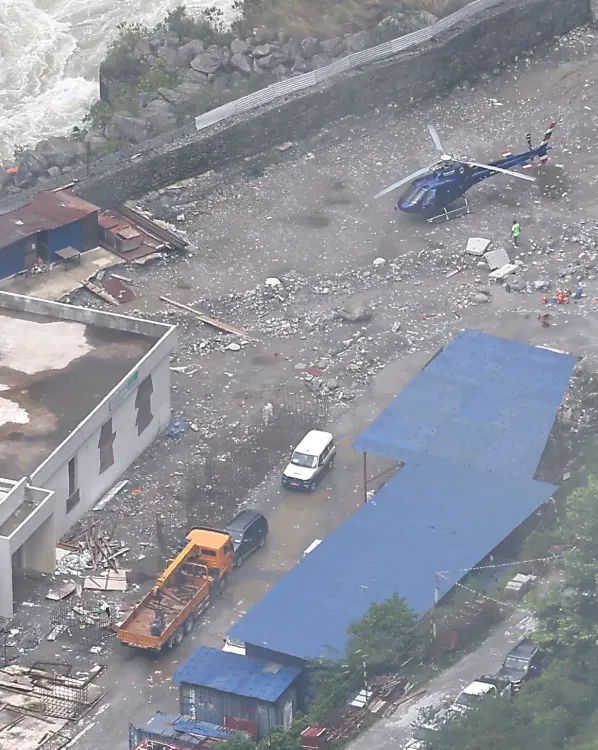
The families specifically requested that the US formally offer Nepal military helicopters capable of operating at high altitude, complete with crews, fuel, and ground support. They also called for drones fitted with thermal and infrared cameras, debris-detection technology, mobile-phone locating equipment, and temporary cellular coverage over the affected valley.
The Route and the Scale of the Disaster
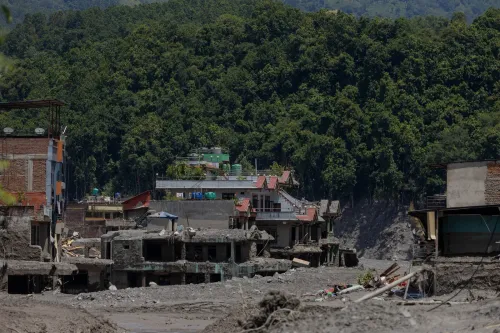
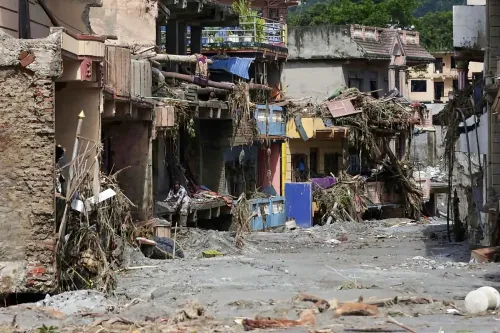
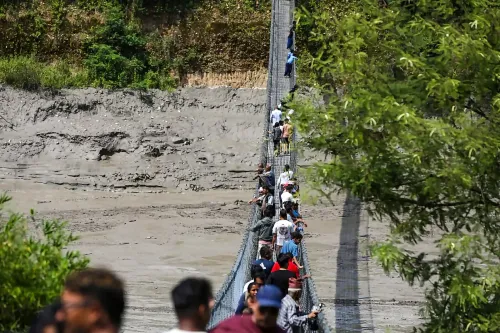
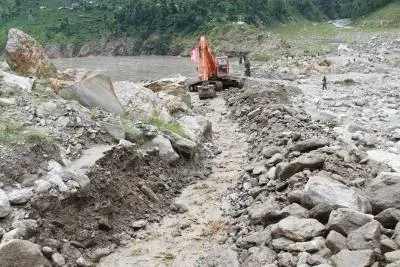
Most of the missing were travelling to or from Mount Kailash, the sacred pilgrimage site in Tibet, along a route that crosses the Nepal-China border at Gyirong. Flash floods swept through the Bhotekoshi and Trishuli valleys, engulfing pilgrims, guides, and support workers from India and several other countries. According to the letter, some travellers were last known to be on the Gyirong side of the border — in Chinese-administered territory — complicating rescue coordination.
The families asked Washington to seek consular access and information from China and to coordinate with Australia, the United Kingdom, India, and Singapore, whose nationals were travelling in the same tour groups. Only five Americans had been rescued as of the time the letter was written, according to information the families said they received from the US State Department.
Calls for Satellite Surveillance and Urban Search Teams
The letter requested US satellite surveillance of the corridor from Rasuwagadhi to Trishuli Bazar and Devighat, including radar imagery capable of penetrating cloud cover — a persistent obstacle in the monsoon-affected region. The families also asked that an urban search-and-rescue team be pre-positioned in Kathmandu for immediate deployment if Nepal accepted the assistance.
On the consular side, families sought a dedicated liaison for each affected household, US consular officers stationed at hospitals receiving survivors, and officers deployed closer to active rescue operations in Rasuwa.
Missing Americans Span 13 US States
The missing American citizens are residents of Illinois, Virginia, Texas, New York, New Jersey, California, Arizona, Florida, Michigan, Massachusetts, Maryland, Tennessee, and Ohio. While acknowledging the 'good faith of the people working on this,' the families were direct in their assessment: 'We are telling you that the urgency of the response has not matched what 90 missing Americans require.'
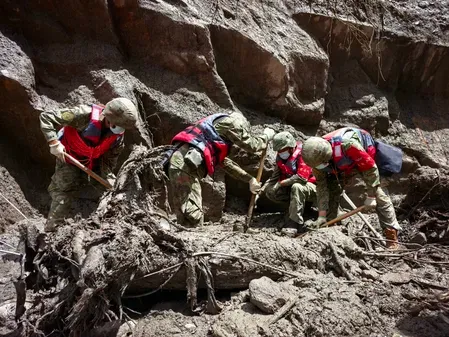
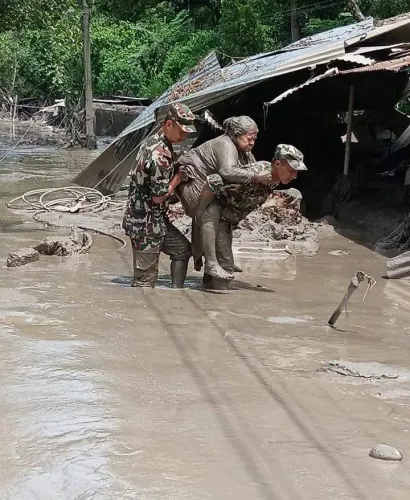
The families also praised the US Embassy in Kathmandu and Nepali soldiers and pilots involved in ongoing rescue operations, but argued the overall American effort remained inadequate given the number of lives at stake. With some missing persons potentially stranded in Chinese territory and cloud cover hampering aerial searches, the coming days will test the limits of multinational disaster diplomacy.
Point of View
Given the state of US-China relations. Washington's ability to project rapid humanitarian reach into a Himalayan corridor that China effectively controls will be the real test here — not the helicopters, which are logistically straightforward by comparison. If the response remains inadequate, this episode will resurface in congressional oversight hearings on State Department emergency capacity.
NationPress
19 Oct 2026
Frequently Asked Questions
How many Americans are missing after the Nepal floods?
According to information the families say they received from the US State Department, 90 Americans remain unaccounted for following flash floods that struck Nepal's Rasuwa district on 26 August. Five Americans had been rescued as of the time the families wrote their letter to Secretary Rubio.
Who are the missing people and where were they going?
Most of the missing were pilgrims, guides, and support workers travelling to or from Mount Kailash in Tibet via a route through Nepal that crosses the China border at Gyirong. The groups included nationals from the US, Australia, Canada, Britain, Singapore, France, and South Africa, with many of Indian origin.
What assistance have the families requested from the US government?
In a 29 August letter to Secretary of State Marco Rubio, families asked for US military helicopters capable of high-altitude operations, thermal and infrared drones, satellite surveillance of the Rasuwagadhi-to-Trishuli Bazar corridor, mobile-phone detection equipment, and an urban search-and-rescue team pre-positioned in Kathmandu.
Why is the rescue operation complicated?
Some missing travellers were last known to be on the Gyirong side of the Nepal-China border, meaning they may be in Chinese-administered territory. Monsoon cloud cover is also hampering aerial searches, and the remote, high-altitude terrain of Rasuwa district limits ground access.
Which countries are involved in the rescue effort?
Nepal's soldiers and pilots are conducting active rescue operations, supported by the US Embassy in Kathmandu. The families have asked Washington to formally coordinate with Australia, the United Kingdom, India, and Singapore — all of whose nationals were in the same tour groups — and to seek consular access and information from China.