CM Dhami: Uttarakhand govt vows zero tolerance for exam cheating mafia
Synopsis
Chief Minister Pushkar Dhami has reaffirmed his government's zero-tolerance stand against exam cheating networks in Uttarakhand, saying youth must not lose faith in the system. His remarks fit a wider North Indian pattern of states toughening anti-cheating enforcement to restore credibility in public recruitment.
Key Takeaways
CM Pushkar Dhami on 19 October 2026 publicly condemned the 'naqal mafia' (cheating mafia) that had undermined Uttarakhand's public examinations.
He stated the government had made a firm commitment to protect the futures of youth 'at any cost'.
Exam fraud had eroded young people's trust in the system, triggering paper-leak crises and forced re-examinations across the state.
Uttarakhand's stance mirrors an ongoing North Indian trend of states enacting stricter anti-cheating legislation and enforcement.
The credibility of upcoming state recruitment examination cycles will be the key test of the government's pledge.
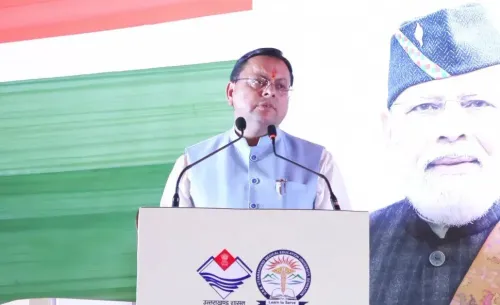
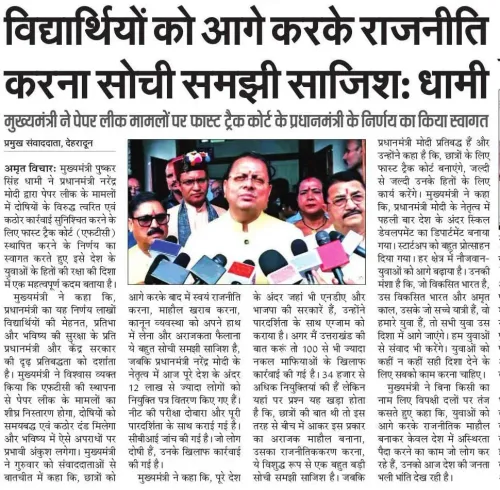
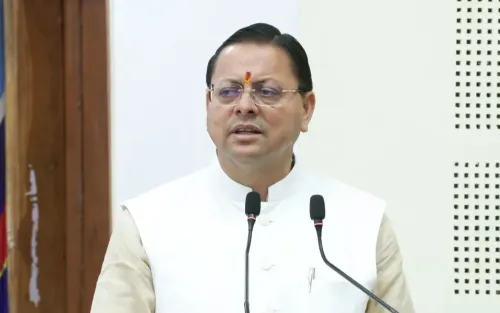
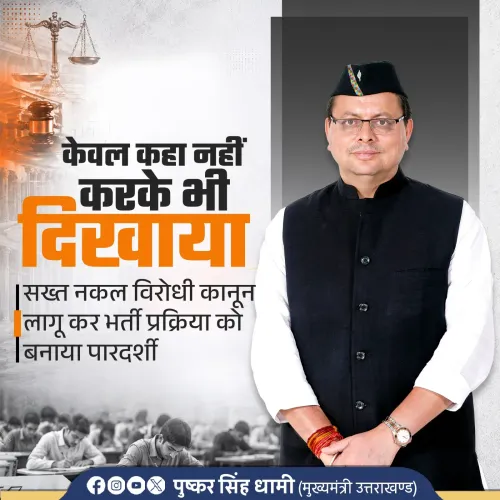
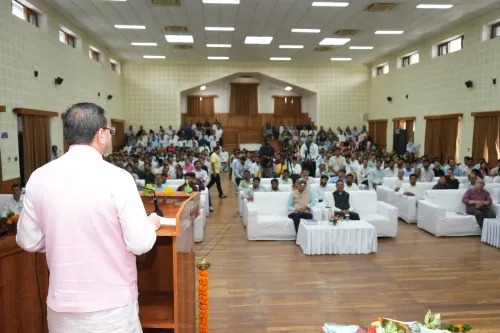
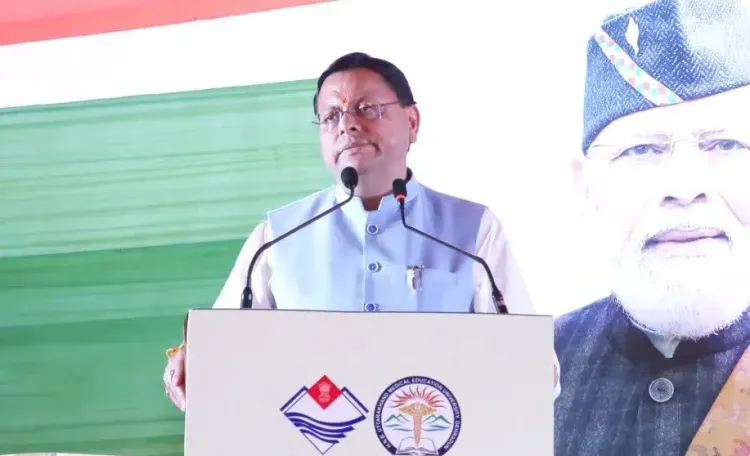
When paper leaks and exam fraud were quietly hollowing out the aspirations of Uttarakhand's youth, the state's young people were losing faith in the system itself. Chief Minister Pushkar Singh Dhami, speaking on Monday, 19 October 2026, drew a sharp line in the sand — his government, he declared, had made a solemn commitment that no one would be allowed to tamper with young people's futures at any cost.
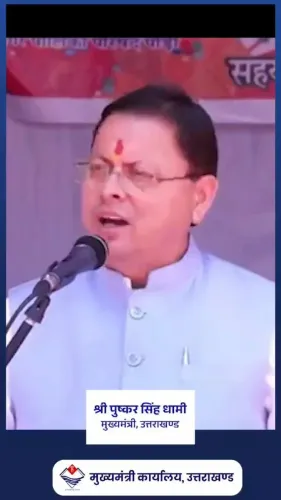
The Chief Minister's Office of Uttarakhand quoted CM Dhami directly: 'एक समय प्रदेश में नकल माफिया युवाओं के भविष्य के साथ खिलवाड़ कर रहे थे' — 'There was a time when cheating mafias in the state were playing with the futures of youth, causing young people to lose trust in the system. Our government resolved that no compromise would be made with youth futures at any price.'
When the 'naqal mafia' ran free in Uttarakhand
The phrase 'naqal mafia' — organised networks that leak question papers, impersonate candidates, or sell exam answers — became a damning shorthand for institutional failure across several North Indian states in recent years. Uttarakhand was not immune. Recruitment examinations for state government posts were repeatedly hit by leaks and irregularities, forcing cancellations, re-examinations, and legal battles that left thousands of qualified aspirants in limbo.
The political fallout was real: young job-seekers who had spent years preparing for competitive exams grew visibly disillusioned with both the examination system and the governments presiding over it. CM Dhami, who has governed the state since 2021, has consistently positioned tackling this crisis as a governance priority.
A pattern playing out across North India
Uttarakhand's stance mirrors a broader, hardening trend across Indian states. Uttar Pradesh and several other states have moved to enact or strengthen anti-cheating legislation, introduce biometric verification at exam centres, and arrest paper-leak kingpins under stringent provisions. The political calculation is straightforward: credibility in public examinations is credibility in governance itself.
For a state like Uttarakhand — with a large share of its educated youth dependent on government recruitment for employment — the integrity of examinations is not an abstract bureaucratic concern. It is an economic lifeline. Every cancelled exam, every compromised merit list, represents another cohort of aspirants losing months or years of preparation.
What the pledge means for upcoming recruitment cycles
The Chief Minister's statement comes ahead of what are expected to be significant state-level recruitment examination cycles. The signal from Lucknow Road, Dehradun — the seat of the Uttarakhand government — is one of zero tolerance: enforcement will be stringent, and political will, at least rhetorically, is firmly behind aspirants rather than operators.
Whether that commitment translates into new legislation, tougher penal provisions, or structural reforms to examination bodies will determine how the pledge is ultimately judged — not by headlines, but by the students waiting on their results.
Point of View
Giving the government a concrete villain to campaign against. Across North India, credibility in public recruitment has become a frontline governance issue, and states that visibly act are rewarded; those that don't face sustained street protests. The real test for Uttarakhand will come when the next round of recruitment results are declared — the pledge will be measured against outcomes, not rhetoric.
NationPress
19 Oct 2026
Frequently Asked Questions
What did CM Pushkar Dhami say about the naqal mafia in Uttarakhand?
CM Dhami stated that there was a time when cheating mafias were playing with the futures of youth in Uttarakhand, causing young people to lose trust in the system. He said his government had resolved to ensure no compromise would be made with youth futures at any cost.
What is the naqal mafia in Indian states?
The 'naqal mafia' refers to organised networks involved in leaking examination question papers, impersonating candidates, or selling exam answers — primarily targeting competitive government recruitment examinations. They have caused repeated exam cancellations and re-tests across several North Indian states.
Has Uttarakhand faced paper leak or exam fraud problems?
Yes, Uttarakhand has faced exam irregularities and leaks in state government recruitment examinations, forcing cancellations and re-examinations that left thousands of job aspirants in prolonged uncertainty.
What is Uttarakhand doing to stop exam cheating?
The CM Dhami-led government has publicly committed to zero tolerance for exam fraud. Broader state-level steps across North India have included anti-cheating legislation, biometric verification at exam centres, and arrests of those involved in paper-leak networks.
When did Pushkar Dhami become Chief Minister of Uttarakhand?
Pushkar Singh Dhami became Chief Minister of Uttarakhand in 2021 and has since identified youth employment and examination integrity as core governance priorities.