Will Afghanistan’s Trade Volume Through Iran Continue to Rise Amid US Sanctions?
Synopsis
As Afghanistan sees a dramatic rise in trade volume through its railway with Iran, looming US sanctions threaten to intensify Tehran's economic pressures. The potential fallout could destabilize Afghanistan further. How will this trade boom unfold amidst these geopolitical tensions? Explore the dynamics of this critical trade relationship.
Key Takeaways
Trade Volume Surge: Afghanistan's trade volume has increased fivefold via the Herat-Khaf railway.
US Sanctions Impact: Potential US sanctions on Iran could disrupt this trade and worsen Afghanistan's economic situation.
Key Imports: Major imports include cement, iron sheets, tiles, and diesel from multiple countries.
Corridor Development: The railway will eventually link five countries, enhancing regional trade.
Economic Interdependence: Afghanistan's economy is deeply intertwined with Iran, making it vulnerable to external pressures.
New Delhi, Jan 14 (NationPress) The potential for additional US sanctions against Iran could exacerbate Tehran's economic struggles and further destabilize Afghanistan, which has recently enjoyed a remarkable fivefold increase in the volume of commercial goods moving through its railway connection with Iran.
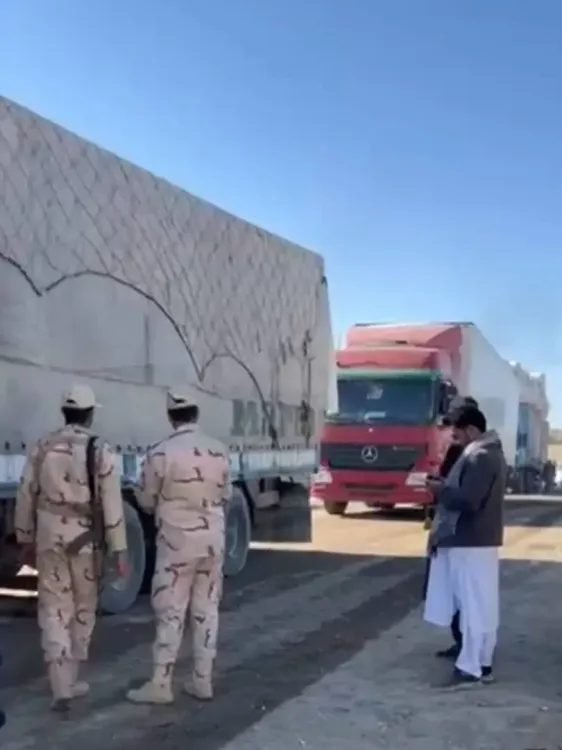
As reported by Afghanistan's Tolo News, local authorities in the western province of Herat have highlighted this significant boost in trade volume via the Herat–Khaf railway line. They indicated that an impressive 2,000 to 5,000 metric tons of goods from various nations flow into Afghanistan daily through this route.
Upon completion, this railway will create a corridor for five nations, linking Iran to Afghanistan, Tajikistan, Kyrgyzstan, and China. The railway line marked its first successful cargo trial from Iran to Afghanistan on May 9, 2023.
Ghulam Wali Mohammadi, head of the Rozanak station on the Herat–Khaf railway, informed Tolo News that “previously, we managed 10,000 to 15,000 tons of imports per month, but that number has now surged to 70,000 tons. These goods come to Rozanak station from several countries.” Key imports through the Herat–Khaf railway include cement, corrugated iron sheets, tiles, and diesel, primarily from Iran, Turkey, China, and the UAE.
The Herat Chamber of Commerce and Investment noted that the surge in commercial activity at Rozanak station has significantly benefited importers and traders. However, if Washington imposes further sanctions on Iran, it could disrupt trade, create energy shortages, and lead to an influx of refugees, complicating Kabul’s challenges.
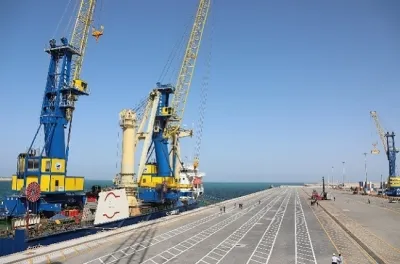
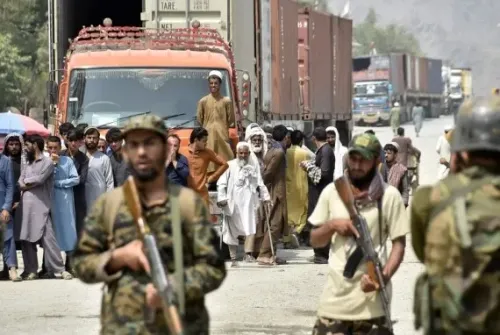
The repercussions of cautious withdrawal or significant reductions in operations by countries trading with or through Iran, utilizing its maritime and dry ports, will impact not only Afghanistan but also neighboring nations. Given that Afghanistan’s borders with Pakistan have been closed since October due to sporadic clashes, the country’s reliance on trade with Iran, coupled with its delicate economy and humanitarian requirements, means that sanctions aimed at Tehran will inevitably affect Kabul.
The United States has a history of employing sanctions to curb Iran's nuclear ambitions, regional interventions, and support for militant groups. Recent actions, including sanctions on Iranian oil networks and financial systems, have intensified economic pressure on Tehran. While these sanctions aim to limit Iran's military and political sway, their repercussions extend beyond Iranian borders, particularly into Afghanistan, which shares deep economic and cultural connections with its western neighbor.
Iran stands as a vital trading partner for Afghanistan, providing fuel, food, and construction materials. Additionally, informal cross-border trade often acts as a lifeline for Afghan communities, which may be jeopardized by increased enforcement.
Afghanistan imports a substantial share of its petroleum and electricity from Iran, and sanctions on Tehran’s energy sector can diminish supply, resulting in fuel price hikes and electricity shortages in urban areas during harsh winters.
Simultaneously, Iran’s weakened rial complicates cross-border transactions, impairing Afghan traders’ ability to manage payments, as sanctions on Iranian banks restrict financial flows, pushing Kabul’s businesses further into informal or illicit avenues.
Point of View
My unbiased perspective recognizes the complexities of Afghanistan's economic landscape, particularly its reliance on Iranian trade. While the surge in trade volume through the Herat-Khaf railway represents a crucial opportunity for Afghanistan, the potential impact of US sanctions on Iran poses significant risks not only to economic stability but also to the humanitarian situation in the region. It is vital for policymakers to consider these interdependencies in their decision-making processes.
NationPress
24 Oct 2026
Frequently Asked Questions
What is the current trade volume increase for Afghanistan?
Afghanistan has seen a fivefold increase in the volume of commercial goods transported through its Herat-Khaf railway link with Iran.
How do US sanctions impact Afghanistan?
US sanctions on Iran could disrupt trade with Afghanistan, leading to energy shortages and a potential influx of refugees, worsening Kabul's existing challenges.
What goods are primarily imported through the railway?
Key imports include cement, corrugated iron sheets, tiles, and diesel, mainly sourced from Iran, Turkey, China, and the UAE.
Why is the Herat-Khaf railway significant?
The Herat-Khaf railway serves as a vital connection for Afghanistan to global markets and is essential for trade with surrounding nations.
What are the risks of relying on Iranian trade?
Afghanistan's dependence on Iranian trade may expose it to economic instability if US sanctions lead to reduced supplies and increased prices.