Andy Burnham confirmed as Labour leader, set to become UK PM Monday
Synopsis
Andy Burnham has been confirmed as Labour leader without a membership ballot — 379 MPs backed him and no rival reached the threshold. The former Greater Manchester Mayor, who only returned to Parliament via the Makerfield by-election in June, is now set to enter Downing Street as Prime Minister as early as Monday. It is a rapid, almost frictionless transition that reflects both Burnham's regional appeal and the scale of dissatisfaction with Starmer's tenure.
Key Takeaways
Andy Burnham was confirmed as Labour Party leader on 17 July after securing nominations from 379 Labour lawmakers .
He was the only candidate to reach the required threshold, so no membership ballot was held.
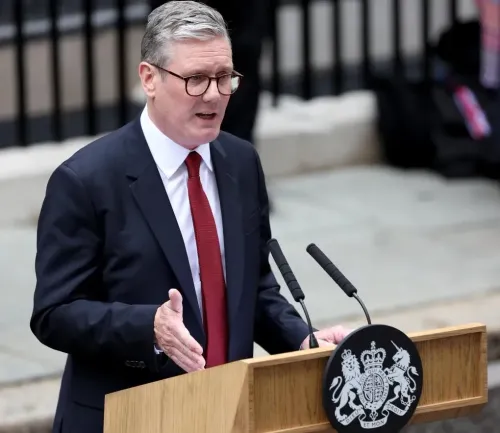
Burnham is expected to be appointed Prime Minister on Monday after Keir Starmer formally steps down.
Burnham returned to Parliament via the Makerfield by-election , result declared 19 June ; Starmer resigned the leadership on 22 June .
Starmer had led Labour to its first general election win in 14 years in July 2024 but faced growing criticism over government policies.
Burnham pledged to address centralisation of power and the privatisation of essential services since the 1980s .
Andy Burnham was confirmed as leader of Britain's Labour Party on Friday, 17 July, after securing nominations from 379 Labour lawmakers — the only candidate to clear the required threshold, making a membership ballot unnecessary. He is expected to be formally appointed Prime Minister as early as Monday, once Keir Starmer steps down in accordance with established constitutional procedure.
How Burnham Reached the Leadership
Burnham's path to the top was shaped by a pivotal by-election win. He returned to Parliament after triumphing in the Makerfield by-election, whose result was declared on 19 June. That victory triggered a surge in parliamentary support for his leadership bid. Starmer announced his resignation as Labour leader on 22 June, stating he would remain Prime Minister until his successor was formally chosen.
The confirmation was announced at the Trades Union Congress headquarters in central London by British Home Secretary Shabana Mahmood, who also chairs Labour's National Executive Committee. With no rival candidate reaching the required nomination threshold, Burnham was declared leader without a wider party membership vote.
What Burnham Said in His Speech
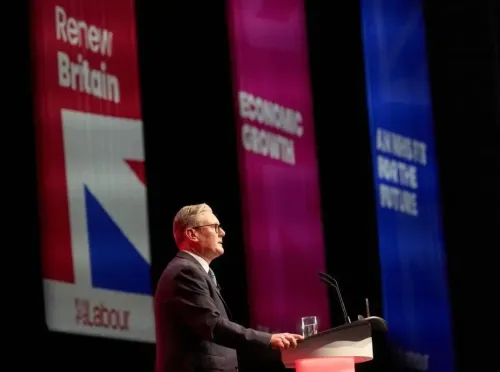
Speaking after his confirmation, Burnham struck a unifying note, declaring: 'I will be a leader for the north, the south, the east and the west.' He argued that Britain had taken a series of wrong turns since the 1980s, as political power became increasingly centralised while essential services — including housing, water, energy, and transport — were privatised.
Burnham contended that this concentration of power had driven up costs, funnelled wealth into fewer hands, and stripped many former industrial towns of the economic agency needed to rebuild. He also recalled collaborating with Starmer roughly a decade ago to draft the original version of the Hillsborough law following the second Hillsborough inquest, drawing on Starmer's legal background.
The Starmer Legacy and Labour's Transition
Starmer led Labour to a sweeping general election victory in July 2024 — the party's first in 14 years — ending a prolonged period in opposition. However, his tenure as Prime Minister drew mounting criticism over several policy decisions, contributing to internal pressure that ultimately led to his resignation announcement.
Burnham, a former Mayor of Greater Manchester and a long-standing figure in Labour politics, is widely seen as a voice for England's regions, particularly the north. His elevation marks a significant shift in the party's centre of gravity away from the metropolitan establishment.
What Comes Next
Burnham is expected to be formally appointed Prime Minister by Monday, subject to the completion of constitutional formalities. His immediate priorities are likely to include setting out his position on public ownership of key services — a theme central to his leadership pitch — and assembling a new cabinet. Political observers will watch closely whether he moves to reverse or revisit any of Starmer's contested policies.
Point of View
From by-election win to Downing Street in under two months, suggests the parliamentary party was eager for a clean break rather than a prolonged debate. Yet the very factors that made Burnham the consensus choice — his regional identity and critique of centralisation — set up a potential tension with a Labour government apparatus built around Starmer's priorities. Whether Burnham's 'north, south, east and west' framing translates into a genuine policy reorientation, or remains rhetorical positioning, will be the defining question of his early months in office.
NationPress
16 Oct 2026
Frequently Asked Questions
Who is Andy Burnham and why is he becoming UK Prime Minister?
Andy Burnham is a senior Labour politician and former Mayor of Greater Manchester who was confirmed as Labour Party leader on 17 July after winning nominations from 379 MPs unopposed. Under British constitutional convention, the leader of the party commanding a parliamentary majority is appointed Prime Minister, so Burnham is expected to enter Downing Street on Monday once Keir Starmer formally steps down.
Why did Keir Starmer resign as Labour leader?
Keir Starmer announced his resignation as Labour leader on 22 June, following mounting criticism of policies adopted by his government. He had led Labour to its first general election victory in 14 years in July 2024 but faced sustained internal and public pressure that prompted his decision to stand down.
How did Andy Burnham return to Parliament?
Burnham won the Makerfield by-election, whose result was declared on 19 June, returning him to the House of Commons. That victory significantly boosted his support among Labour MPs and positioned him as the frontrunner for the leadership.
Was there a Labour membership vote for the new leader?
No membership ballot was held. Burnham was the only candidate to reach the required nomination threshold of Labour lawmakers, so Home Secretary Shabana Mahmood, chairing the National Executive Committee, declared him leader directly at the Trades Union Congress headquarters in London.
What are Andy Burnham's key policy positions?
Burnham has argued that Britain took a series of wrong turns since the 1980s as power became centralised and services such as housing, water, energy and transport were privatised. He contends this concentrated wealth and left former industrial towns without the tools to rebuild, signalling a platform focused on devolution and public ownership of essential services.