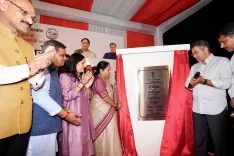
PM Modi Inaugurates 75 Amrit Bharat Stations Worth ₹1,570 Cr

Synopsis
Prime Minister Narendra Modi inaugurates 75 redeveloped railway stations across 20 states on 17 July 2026 under the Amrit Bharat Station Scheme, with a combined investment of ₹1,570 crore blending modern facilities with local heritage.
Key Takeaways
75 stations redeveloped under the Amrit Bharat Station Scheme are being inaugurated on 17 July 2026 by Prime Minister Narendra Modi .
The stations span 20 states , reflecting the pan-India scale of the redevelopment programme.
Total development cost stands at ₹1,570 crore across all 75 stations.
The Amrit Bharat Station Scheme was launched in February 2023 targeting more than 1,300 stations for phased upgrades.
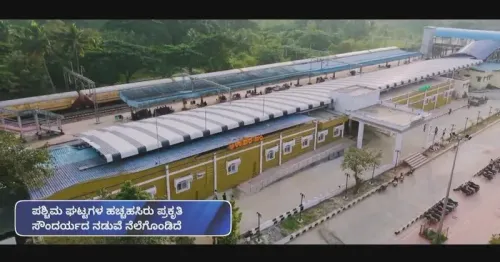
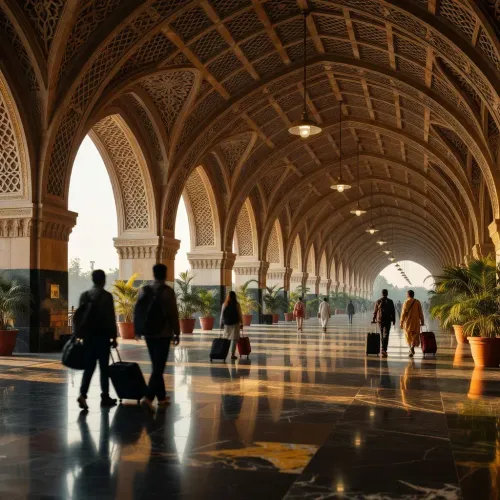
Redeveloped stations integrate modern passenger amenities with local cultural and architectural heritage elements.
The upgrades are aimed at improving connectivity, accessibility, and driving regional economic development.
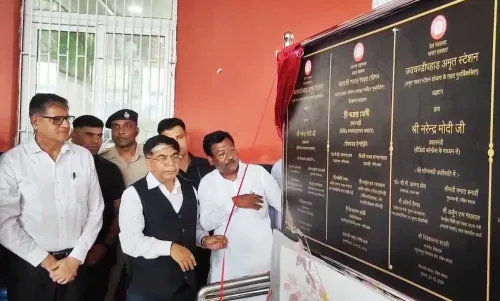
Union Consumer Affairs Minister Pralhad Joshi announced on Friday, 17 July 2026 that Prime Minister Narendra Modi will inaugurate 75 redeveloped railway stations across 20 states under the Amrit Bharat Station Scheme, developed at a combined cost of ₹1,570 crore.
Context
Joshi described the event as 'another milestone in India's railway transformation,' noting that the newly redeveloped stations blend modern amenities with local heritage while enhancing connectivity, accessibility, and passenger experience. The inaugurations are part of a single-day rollout spanning two dozen states, underlining the scheme's pan-India scope.
The minister's post on X on the morning of 17 July 2026 positioned the event within a broader narrative of infrastructure-led regional development, highlighting that the upgrades are designed to drive economic activity in the areas surrounding each station.
Policy Backdrop
The Amrit Bharat Station Scheme was formally launched in February 2023 with a target of redeveloping more than 1,300 stations across the country in phases. The programme is a flagship initiative of Indian Railways and emphasises the integration of contemporary passenger facilities with architectural and cultural motifs drawn from each station's local region.
The scheme sits within a sustained push by the central government to raise annual railway capital expenditure since 2014, with successive Union Budgets allocating record outlays to track upgrades, rolling stock, and station infrastructure. The cultural-heritage dimension of the redevelopments also aligns with broader government goals linking public infrastructure to tourism and regional identity.
Stakeholders and Impact
Railway passengers stand to benefit most immediately through improved waiting areas, better accessibility features, and enhanced amenities at the 75 newly inaugurated stations. Local communities and small businesses in the vicinity of upgraded stations are expected to gain from increased footfall and improved last-mile connectivity.
State governments across the 20 participating states are stakeholders in the rollout, as station redevelopments are often coordinated with local urban development and tourism plans. The ₹1,570 crore investment also represents direct capital infusion into regional construction and services ecosystems.
What's Next
With 75 stations inaugurated in this phase, attention will turn to the pace of work on the remaining stations within the 1,300-station target. Progress updates are expected to feature in the next Railway Budget presentation, which will set the tone for capital allocation in the subsequent financial year.
Observers will also watch whether the heritage-integration model adopted under the Amrit Bharat Station Scheme is extended or refined in future phases, particularly for smaller stations in Tier-2 and Tier-3 cities where the scheme's regional development rationale is most pronounced.
Point of View
Giving the ruling dispensation a visible, geographically distributed infrastructure achievement ahead of any electoral cycle. The Amrit Bharat Station Scheme's emphasis on local heritage motifs is not merely aesthetic — it serves a political-cultural function by anchoring a central government programme in regional identity, making it harder for state-level opposition to dismiss. At ₹1,570 crore for this tranche alone, the cumulative capital commitment across 1,300 stations signals that railway infrastructure has become a primary vehicle for central government visibility in smaller cities and towns. The real test of the scheme's legacy will be operational — whether upgraded stations sustain service quality and whether the promised regional development multiplier materialises in measurable economic indicators.
NationPress
15 Oct 2026
Frequently Asked Questions
What is the Amrit Bharat Station Scheme?
The Amrit Bharat Station Scheme is a flagship Indian Railways programme launched in February 2023 to redevelop more than 1,300 railway stations across India with modern passenger facilities and local heritage-inspired architecture.
How many stations are being inaugurated by PM Modi on 17 July 2026?
Prime Minister Narendra Modi is inaugurating 75 redeveloped railway stations on 17 July 2026 under the Amrit Bharat Station Scheme.
What is the cost of the 75 stations inaugurated under Amrit Bharat Station Scheme?
The 75 stations being inaugurated on 17 July 2026 were developed at a combined cost of ₹1,570 crore.
Which states are covered in the latest Amrit Bharat Station inauguration?
The 75 stations span 20 states across India, though the specific states were not individually listed in the ministerial announcement.
How many total stations are targeted under the Amrit Bharat Station Scheme?
The Amrit Bharat Station Scheme targets the redevelopment of more than 1,300 railway stations across India in multiple phases.