PM Modi Inaugurates 75 Redeveloped Stations Under Amrit Bharat Scheme

Synopsis
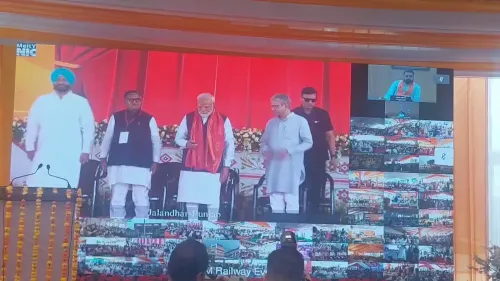
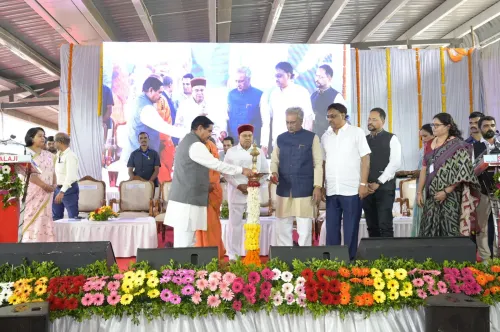
Prime Minister Narendra Modi on 17 July 2026 inaugurated 75 redeveloped railway stations across India under the Amrit Bharat Station Scheme via video conferencing, as announced by the Chief Minister's Office of Bihar. The move advances the central government's push to modernise over 1,300 stations by 2047.
Key Takeaways
PM Narendra Modi inaugurated 75 redeveloped railway stations across India on 17 July 2026 via video conferencing.
The stations were redeveloped under the Amrit Bharat Station Scheme , launched in February 2023 .
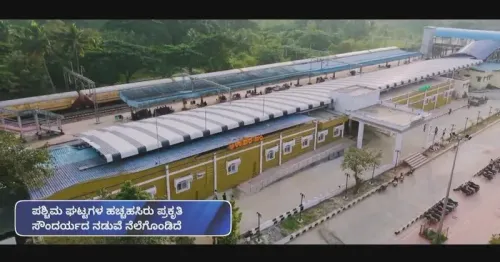
The scheme targets redevelopment of more than 1,300 stations into modern urban transit hubs with improved amenities and multimodal connectivity.
Bihar , served by the East Central Railway zone, is among the states with stations covered under the scheme.
The video-conferencing inauguration format reflects a pattern of simultaneous national-level rollouts used for multi-state infrastructure schemes.
Successive Union Budgets have allocated record capital expenditure to Indian Railways , with station redevelopment as a core priority.
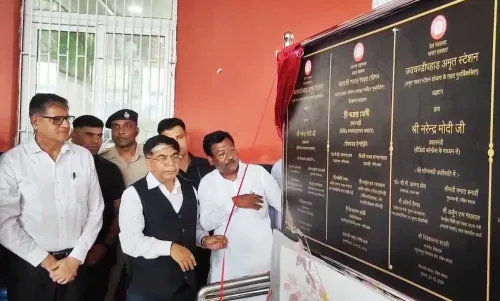
The Chief Minister's Office of Bihar announced on 17 July 2026 that Prime Minister Narendra Modi inaugurated 75 redeveloped railway stations across the country under the Amrit Bharat Station Scheme, doing so via video conferencing.
The official post from the Chief Minister's Office stated: 'माननीय प्रधानमंत्री श्री नरेन्द्र मोदी जी ने आज वीडियो कॉन्फ्रेंसिंग के माध्यम से अमृत भारत स्टेशन योजना के अंतर्गत देशभर के 75 पुनर्विकसित रेलवे स्टेशनों का लोकार्पण किया।' ['The Honourable Prime Minister Shri Narendra Modi Ji today inaugurated 75 redeveloped railway stations across the country under the Amrit Bharat Station Scheme via video conferencing.']
Context
The inauguration marks a significant milestone in Indian Railways' ongoing station redevelopment drive. The video-conferencing format allowed a simultaneous, nationally coordinated unveiling spanning multiple states and railway zones, a format the central government has used repeatedly for large-scale infrastructure rollouts. Bihar, served by the East Central Railway zone, is among the states with stations covered under the scheme.Policy Backdrop
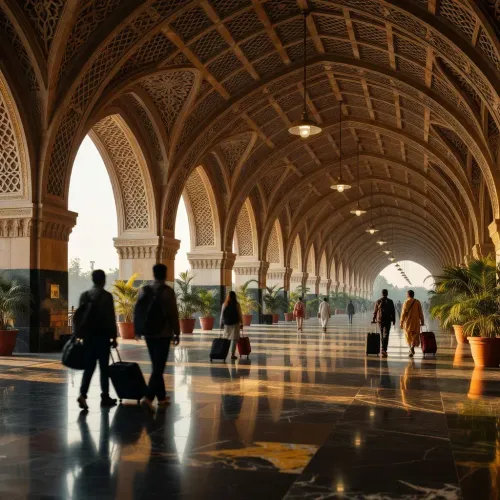
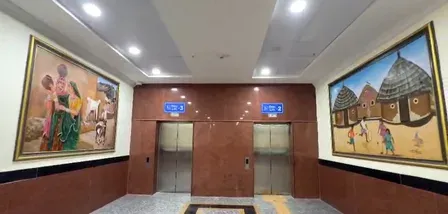
The Amrit Bharat Station Scheme was formally launched in February 2023, with an initial list of more than 1,300 stations identified for redevelopment into modern urban transit hubs. The vision involves improved passenger amenities, multimodal connectivity, and the incorporation of local cultural elements into station design. Union Budget 2023-24 allocated record capital expenditure for Indian Railways, with station redevelopment under the Amrit Bharat framework forming a core component. The scheme sits within the broader Amrit Bharat development vision targeting 2047, the centenary of India's independence.Stakeholders and Impact
The redevelopment directly benefits railway passengers and urban commuters who use these stations daily, as upgraded facilities are expected to improve safety, accessibility, and overall travel experience. Local vendors and small businesses operating near or within station precincts stand to gain from increased footfall and improved retail infrastructure. For Bihar specifically, modernised stations can serve as catalysts for economic activity in surrounding areas, linking rail infrastructure improvements to the state's broader development agenda.What's Next
Attention will now turn to the release of subsequent lists of stations to be taken up under the scheme, as well as ground-level assessments of footfall trends, retail revenue, and multimodal integration at stations already commissioned. State governments, including Bihar, are expected to coordinate with Indian Railways zones to maximise the developmental impact of the upgraded facilities. The pace of future inaugurations will signal the central government's timeline for completing the larger pipeline of stations slated for redevelopment.Point of View
Simultaneous infrastructure unveilings to project national momentum — with Bihar's Chief Minister's Office amplifying the event underscoring how state governments are co-branding federal infrastructure wins. The scheme's ambition to redevelop over 1,300 stations positions railway modernisation as a centrepiece of the 2047 development narrative, blending hard infrastructure with cultural identity through locally themed station designs. For Bihar, a state where railway connectivity is both an economic lifeline and a political touchstone, association with such milestones carries significant electoral and developmental weight. The pace of future inaugurations will be a key indicator of whether the scheme's execution matches its scale of ambition.
NationPress
17 Jul 2026
Frequently Asked Questions
What is the Amrit Bharat Station Scheme?
The Amrit Bharat Station Scheme is an Indian Railways initiative launched in February 2023 to redevelop more than 1,300 railway stations into modern urban transit hubs with improved passenger amenities, multimodal connectivity, and local cultural design elements.
How many stations did PM Modi inaugurate on 17 July 2026?
PM Modi inaugurated 75 redeveloped railway stations across the country on 17 July 2026 under the Amrit Bharat Station Scheme, doing so via video conferencing.
Which states are covered under the Amrit Bharat Station Scheme?
The scheme covers stations across multiple states and railway zones nationwide. Bihar, served by the East Central Railway zone, is among the states with stations included in the redevelopment programme.
Why did PM Modi use video conferencing for the inauguration?
The video-conferencing format allowed a simultaneous, nationally coordinated inauguration spanning stations across multiple states, a method the central government has used for large-scale infrastructure rollouts under various schemes.
What are the benefits of the Amrit Bharat Station Scheme for passengers?
The scheme aims to provide railway passengers and urban commuters with upgraded facilities including better amenities, improved safety, multimodal connectivity, and station designs reflecting local cultural heritage, alongside economic benefits for local vendors and surrounding communities.