Awami League leader dies in Chattogram jail; party alleges torture, denied treatment
Synopsis
A second Awami League leader has died in a Bangladeshi jail within days, with the party alleging torture and deliberate denial of medical care under the Anti-Terrorism Act. The deceased, Nur Islam, was re-arrested at the prison gate the day after being granted bail — a detail that underscores what rights observers say is a pattern of repeated detention targeting political opponents.
Key Takeaways
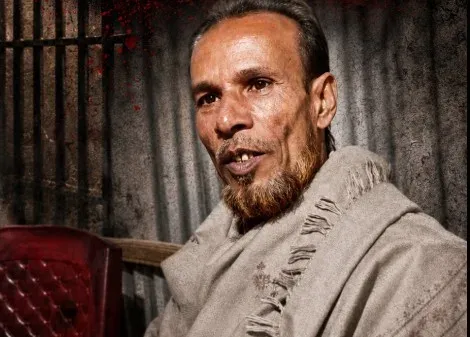
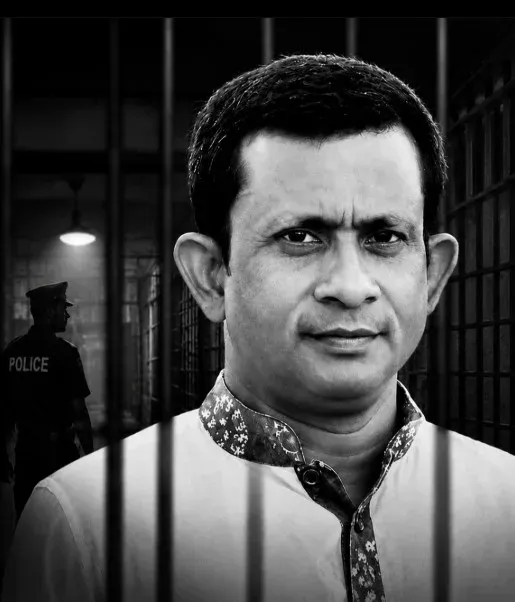
Nur Islam , 55, general secretary of the Awami League's Mirsarai Municipality unit, died on Wednesday afternoon at Chattogram Medical College Hospital after falling ill in custody.
He was held at Chattogram Central Jail under Bangladesh's Anti-Terrorism Act, 2009 and had not been convicted of any crime, according to the Awami League.
Nur Islam was granted bail on 31 August but was re-arrested at the prison gate the following day in a separate case.
His widow, Rokeya Akhter , alleged he died due to 'mental torture' and physical abuse in what she called a 'false case'.
The Awami League alleges he was denied proper medical treatment and subjected to torture; these claims have not been independently verified.
The party has called on the UN and global rights bodies to act, accusing them of silence over what it terms a pattern of custodial killings.
Another Awami League leader has died while in custody in Bangladesh, with Nur Islam, the 55-year-old general secretary of the Awami League's unit in Mirsarai Municipality, passing away on Wednesday afternoon after falling ill at Chattogram Central Jail, according to local media reports. The death adds to a rising count of custodial fatalities involving Awami League members across Bangladesh.
What Happened Inside the Jail
Nur Islam complained of chest pain on Wednesday afternoon and was first taken to the prison hospital by jail guards. As his condition worsened, he was transferred to Chattogram Medical College Hospital (CMCH), where doctors declared him dead on arrival.
Md Iqbal Hossain, senior jail superintendent of Chattogram Central Jail, confirmed the death and told Bangladeshi newspaper The Daily Star that Nur Islam had been sent to jail after being arrested under the country's Anti-Terrorism Act, 2009. 'As his condition deteriorated, he was later transferred to Chattogram Medical College Hospital (CMCH), where doctors declared him dead,' Iqbal said.
Family's Account: Repeated Arrests and Mental Toll
Speaking to Bangladeshi daily Prothom Alo, Rokeya Akhter, the widow of Nur Islam, said her husband had been arrested by Mirsarai police station in connection with a political case and remanded to prison through a court order. He was granted bail on 31 August, but was re-arrested at the prison gate the very next day in a separate case and taken back into custody.
Rokeya said the cycle of arrests severely affected her husband's mental health. 'Despite his involvement in politics, my husband never harmed anyone. He was already physically ill. He died due to mental torture and torture after being imprisoned in a false case. My two young children became orphans after losing their father,' Prothom Alo quoted her as saying.
Awami League Alleges Systematic Targeting
The Awami League described Nur Islam's death as a 'glaring indictment' of what it called an ongoing 'mass killing' of citizens affiliated with the party. It alleged that he had not been convicted of any crime but was held in Chittagong jail for over 30 days despite a critical health condition, and was denied proper medical treatment.
'No bail, denial of medical treatment and torture killing arbitrarily detained party activists inside jails, worst even rights abuses legitimised under extrajudicial ban on Awami League. While convicted terrorists and extremists are released from jail on bail, cops are now abusing the draconian anti-terror law to detain, torture and kill political dissenters in jail with impunity,' the party said in a statement.
Broader Context and International Silence
The Awami League further alleged that the 'deliberate killing of political activists inside prisons is going with impunity, instigated by the silence of the UN and global rights bodies.' The party's claims have not been independently verified, and Bangladeshi authorities have not issued a formal response to the allegations of torture or deliberate denial of treatment. This comes amid heightened political tensions in Bangladesh following a period of significant governmental transition, with the Awami League operating under what it describes as an extrajudicial ban. Rights groups have previously flagged concerns about conditions in Bangladeshi prisons, though the specific allegations in this case remain unverified beyond the party's own account.
Point of View
Regardless of where one stands on Bangladeshi politics. If verified, it points to a deliberate mechanism of re-detention that renders court-granted bail meaningless. The Awami League's broader claims of a systematic pattern remain unverified, but the frequency of custodial deaths among its members warrants independent investigation that neither Bangladeshi authorities nor international rights bodies appear to have initiated. The silence of multilateral institutions, if it persists, will itself become part of the story.
NationPress
3 Sept 2026
Frequently Asked Questions
Who was Nur Islam and why was he in jail in Bangladesh?
Nur Islam, 55, was the general secretary of the Awami League's unit in Mirsarai Municipality, Bangladesh. He was arrested by Mirsarai police in a political case and remanded to Chattogram Central Jail under the Anti-Terrorism Act, 2009, without having been convicted of any crime, according to the Awami League.
How did Nur Islam die in Chattogram Central Jail?
Nur Islam complained of chest pain on Wednesday afternoon and was taken to the prison hospital. As his condition worsened, he was transferred to Chattogram Medical College Hospital, where doctors declared him dead on arrival. The Awami League alleges he was denied proper medical treatment and subjected to torture.
Why was Nur Islam re-arrested after being granted bail?
Nur Islam was granted bail on 31 August but was re-arrested at the prison gate the following day in a separate case and returned to custody. His widow, Rokeya Akhter, said the repeated arrests severely damaged his mental health.
What has the Awami League alleged about custodial deaths in Bangladesh?
The Awami League has alleged a pattern of arbitrary detention, torture, and denial of medical treatment targeting its members under Bangladesh's Anti-Terrorism Act. It has accused the government of conducting what it calls a 'mass killing' of political activists inside prisons, and has called on the UN and global rights bodies to intervene. These allegations have not been independently verified.
Have international bodies responded to the allegations of custodial deaths in Bangladesh?
As of the time of this report, no formal response from the UN or major international rights bodies has been issued regarding the specific allegations of custodial deaths of Awami League members. The party has publicly criticised what it describes as the 'silence' of global rights institutions.