Afghan tribal clashes over Khost-Paktia border mountain enter fourth day

Synopsis
A generations-old land dispute in southeastern Afghanistan has reignited into a four-day armed confrontation between two tribes, with both sides reportedly using mortars and heavy weapons over a pine-nut-forested mountain. With over 250 lives lost across decades of conflict and Taliban forces now deployed, the episode exposes the fragile grip of authority in Afghanistan's border provinces.
Key Takeaways
Armed clashes between the Bori Khail and Giyan Khail tribes entered their fourth consecutive day on 3 August .
The disputed mountain lies between Spira district (Khost) and Giyan district (Paktika) in southeastern Afghanistan.
Both light and heavy weapons, including reportedly a mortar, have been used during the confrontation.
A local resident claimed around 80 people were killed or injured in earlier incidents; the figure is unverified.
Radio Hurriyat reported the broader dispute spans nearly 80 years and has killed more than 250 people from both sides — also unverified.
Taliban forces have been deployed to the area to separate the two sides and prevent further escalation.
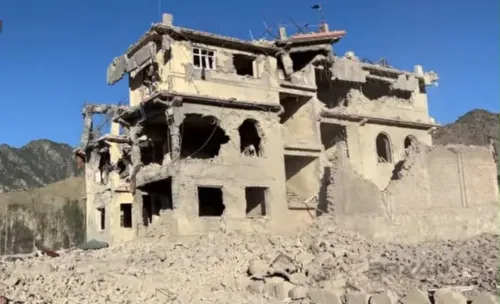
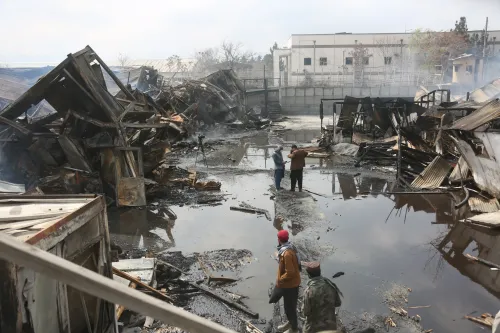
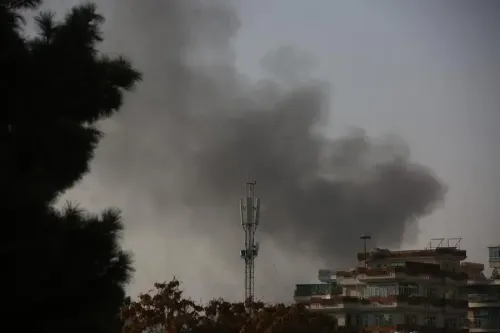
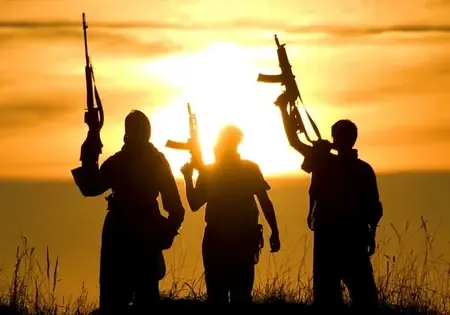
Armed clashes between two rival tribes over a disputed mountainous area on the border of Khost and Paktia provinces in southeastern Afghanistan entered their fourth consecutive day on Monday, 3 August, according to local media reports. Both light and heavy weapons have reportedly been deployed, raising alarm over a further escalation of what is a decades-old land dispute.
The Tribes and the Territory
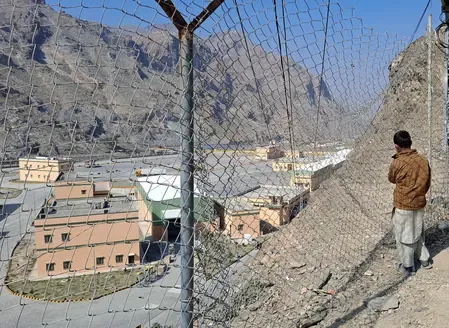
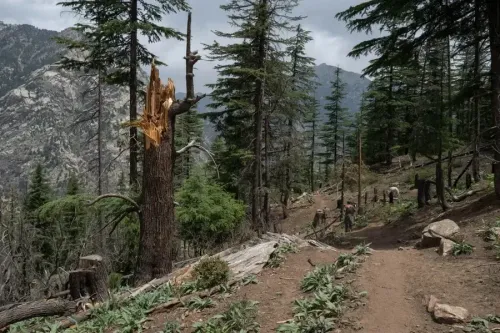
The confrontation pits the Bori Khail tribe of Khost's Spira district against the Giyan Khail tribe of Paktika's Giyan district. The disputed mountain sits between the two districts and is densely forested, with stands of commercially valuable pine nut trees that local residents say have sharpened competing claims over ownership, access, and grazing rights. According to local accounts, the territorial dispute has persisted across generations, with armed confrontations recurring over many decades.
Scale of the Violence
Shah Mir Khan, a resident of Spira district, said that earlier clashes over the same mountain had resulted in significant casualties, claiming that roughly 80 people had been killed or injured in previous incidents linked to the dispute. That figure could not be independently verified. Separately, Radio Hurriyat — a media outlet with close ties to the Taliban — reported that the broader, multi-generational dispute has continued for nearly 80 years and has claimed more than 250 lives from both communities over the decades. Those figures have also not been independently verified.
Footage and Taliban Deployment
Radio Hurriyat released footage purportedly showing a person firing a mortar towards opposition positions, though the authenticity of the video was not independently confirmed. The outlet also reported that Taliban forces have been deployed to the area in an effort to prevent further escalation and physically separate the two warring sides. It is not yet clear whether the deployment has succeeded in halting the fighting.
Roots of the Dispute
The conflict is rooted in competing historical ownership claims by the two communities. Local accounts indicate that tensions over the territory have been sustained for generations, frequently tied to control of natural resources — including forest land and grazing areas — rather than any single political trigger. This comes amid a broader pattern of intra-community land disputes in Afghanistan's southeastern provinces, where state authority has historically been weak and customary land records are contested.
What Happens Next
With Taliban forces now reportedly on the ground, the immediate question is whether the deployment translates into a durable ceasefire or merely a temporary pause. Given the depth of historical grievance and the economic stakes attached to the pine nut forests, analysts warn that without a formal mediation process and recognised land demarcation, armed flare-ups are likely to recur. The situation in Spira and Giyan districts will continue to be closely watched.
Point of View
And livelihood disputes in resource-scarce terrain have historically outlasted every political order in the region. The Taliban's decision to deploy forces is a signal of intent, but deployment alone has never resolved a dispute that customary law and colonial-era boundary ambiguity created. Without a credible land demarcation mechanism and a recognised arbitration process, the next flare-up is a matter of when, not if.
NationPress
3 Aug 2026
Frequently Asked Questions
Which tribes are involved in the Khost-Paktia clashes in Afghanistan?
The clashes are between the Bori Khail tribe from Khost's Spira district and the Giyan Khail tribe from Paktika's Giyan district. The two communities have competing historical claims over a forested mountain situated along the provincial border.
What is the disputed territory and why does it matter?
The disputed area is a mountainous, forested zone between Spira and Giyan districts, notable for its pine nut trees, which are a commercially valuable resource. Local residents say competing claims over ownership, grazing rights, and forest access have fuelled armed confrontations for generations.
How many people have been killed in this long-running dispute?
According to Radio Hurriyat, more than 250 people from both communities have died over the roughly 80-year history of the dispute. A local resident separately claimed around 80 people were killed or injured in earlier incidents. Neither figure has been independently verified.
What is the Taliban doing about the clashes?
Taliban forces have been deployed to the area, according to Radio Hurriyat, with the stated aim of separating the two sides and preventing further escalation. Whether the deployment has produced a ceasefire had not been confirmed as of the latest reports.
How long have the current clashes been going on?
The current round of armed clashes began at least four days before 3 August , when local media reported they were entering their fourth consecutive day. Both light and heavy weapons, including reportedly a mortar, have been used during this period.