Khost Residents Accuse Pakistan of Targeting Civilians Amidst Ongoing Conflict
Synopsis
Local residents in Khost are alarmed as they accuse Pakistani forces of attacking civilian homes. With violence escalating along the border, many are fleeing to safety. Will diplomatic efforts succeed in halting the conflict?
Key Takeaways
Residents in Khost accuse Pakistan of violence against civilians.
Many are fleeing their homes due to the escalating conflict.
Diplomatic talks are ongoing between Pakistan and the Taliban.
Peace jirga participants urge dialogue to resolve issues.
Call for an immediate ceasefire to reduce tensions.
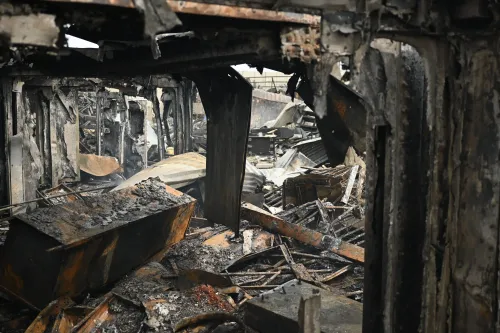
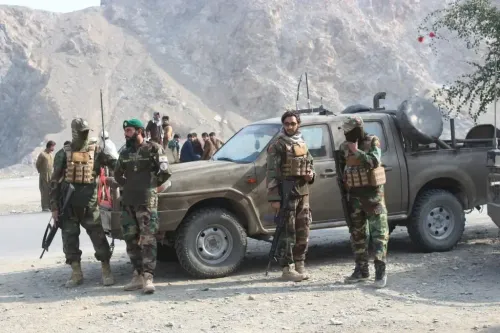
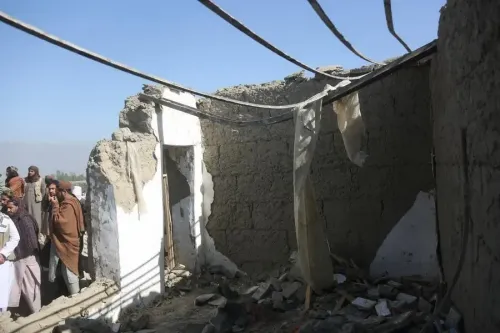
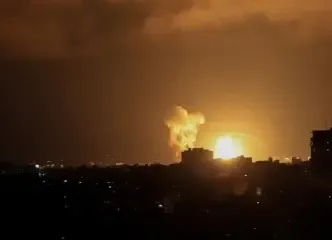
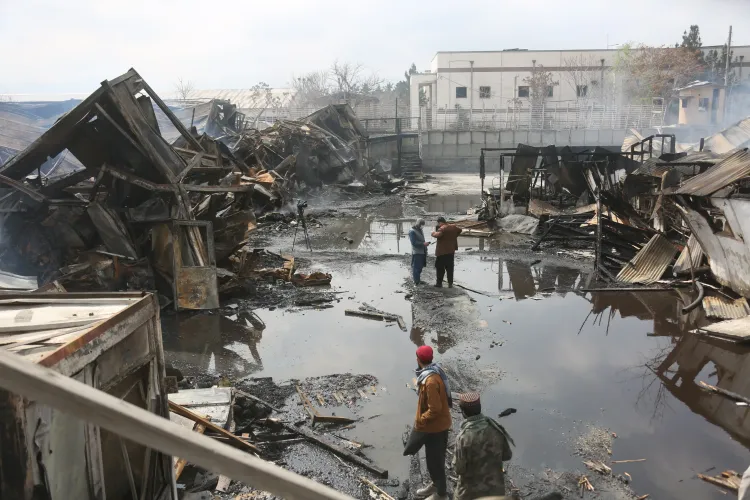
Kabul, April 3 (NationPress) Residents in Khost province of Afghanistan have voiced their outrage, accusing Pakistani forces of deliberately targeting civilian residences in the Tani district late on Thursday, as skirmishes continue along the Afghanistan-Pakistan border.
Sources indicate that numerous locals are fleeing their homes to evade the escalating violence, with reports of casualties emerging from the area, according to Khaama Press, a prominent news agency in Afghanistan. However, there have been no confirmed reports of deaths or injuries at this time.
Additionally, clashes were reported in the Gurbuz district of Khost, as reported by Khaama Press. This latest outbreak of violence intensifies the already strained relations between Islamabad and Kabul, which have deteriorated significantly over recent months due to Pakistani airstrikes that have resulted in civilian deaths in the war-torn region.
This escalation occurs despite ongoing discussions between representatives from Pakistan and the Taliban in China, where both parties are attempting to ease tensions and explore the possibility of a ceasefire. Nevertheless, the persistent violence on the ground raises skepticism about the effectiveness of diplomatic efforts to resolve the conflict between the two nations.
On Tuesday, participants at a 'Pakistan-Afghanistan Peace Jirga' convened in Peshawar urged both governments to halt the border confrontations and seek resolution through dialogue.
The jirga was organized under the auspices of the think-tank Aspire Khyber Pakhtunkhwa and the National Reform Movement (Qaumi Islahi Tehreek), drawing various political, religious leaders, business representatives, and media personnel, as reported by Pakistan's leading daily, Dawn.
During the discussions, they called upon Pakistan and Afghanistan to utilize diplomatic channels to resolve their disputes, emphasizing their shared religious and cultural heritage, traditions, and social values. They expressed concern that the ongoing conflict poses serious risks for the citizens of both countries and highlighted the potential dire consequences of the current volatile situation.
Following the discussions, the attendees issued a joint declaration, urging both nations to promptly declare and implement a ceasefire to de-escalate tensions.
"We agree, in line with universally accepted international principles, that our respective territories shall not be used against each other, nor shall we permit any such activities. We must ensure the implementation of this consensus with full state authority and capacity," the jirga stated, advocating for dialogue and diplomacy while underscoring that war is not a solution and that mutual respect and understanding are essential for lasting peace.
Point of View
It's crucial to report the concerns expressed by Afghan residents regarding the violence from across the border. The accusations against Pakistani forces highlight the urgent need for both nations to engage in constructive dialogue to prevent further civilian casualties and foster peace.
NationPress
19 Sept 2026
Frequently Asked Questions
What incidents are residents in Khost reporting?
Residents in Khost are reporting that Pakistani soldiers are targeting civilian houses amidst ongoing border skirmishes.
How have residents responded to the violence?
Many residents have begun evacuating their homes in search of safety due to the escalating violence.
What diplomatic efforts are currently underway?
Officials from Pakistan and the Taliban are engaged in talks in China to address tensions and explore a potential ceasefire.
What was discussed at the 'Pakistan-Afghanistan Peace Jirga'?
Participants urged both governments to stop border clashes and resolve their issues through dialogue, emphasizing common cultural ties.
What do the participants of the jirga call for?
They called for an immediate ceasefire and a commitment to resolving differences diplomatically.