ASEAN nations eye BRICS membership amid push for strategic autonomy: Report
Synopsis
The 18th BRICS Summit in New Delhi has triggered a wave of ASEAN interest in the grouping that goes beyond symbolism — Vietnam is a formal partner, Indonesia is a full member, Malaysia and the Philippines are deepening engagement, and India sees a strategic opening to shape BRICS before China does. The report frames this as the most significant non-Western diplomatic realignment since the 2022 BRICS expansion.
Key Takeaways
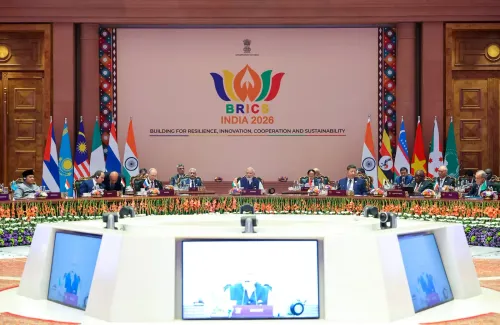
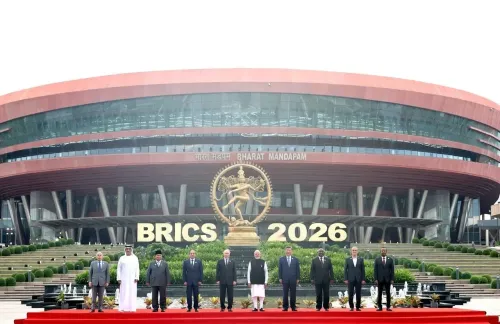
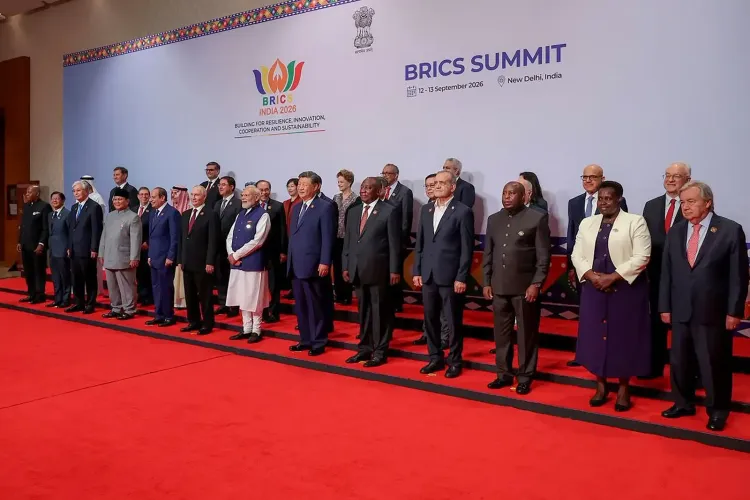
The 18th BRICS Summit was held in New Delhi on 12–13 September 2026 under India's chairship, themed 'Building for Resilience, Innovation, Cooperation and Sustainability'.
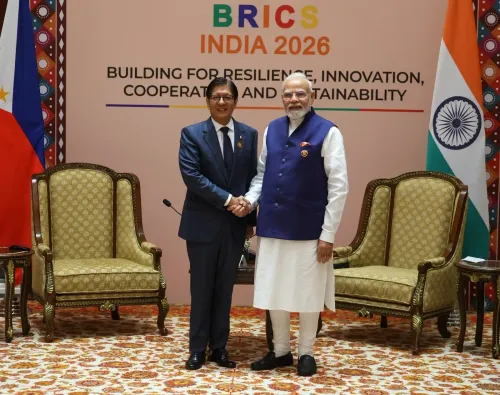
Filipino President Ferdinand Marcos Jr. attended as ASEAN Chair, pledging engagement on peace, inclusive growth and a rules-based order.
Vietnam became a BRICS partner country in 2025 ; PM Le Minh Hung attended the summit at PM Modi's invitation.
Malaysia is a BRICS partner state; Indian companies hold 293 manufacturing projects worth US$2.95 billion in Malaysia as of June 2026 , set to create 28,455 jobs .
Indonesia is the sole ASEAN full member of BRICS, viewing it as a platform to amplify the Global South's voice.
The report argues India's presence in BRICS can prevent the grouping from being dominated by any single power, while deepening ties with Southeast Asia.
Southeast Asian nations are showing deepening interest in BRICS as a platform for strategic autonomy and economic diversification, according to a report by India Narrative released on 27 September 2026. The analysis, prompted by the recently concluded 18th BRICS Summit held in New Delhi on 12–13 September 2026, argues that ASEAN countries increasingly see the grouping as a vehicle for broadening diplomatic and trade ties without aligning with a 'West versus the rest' divide.
Summit Context and ASEAN Engagement
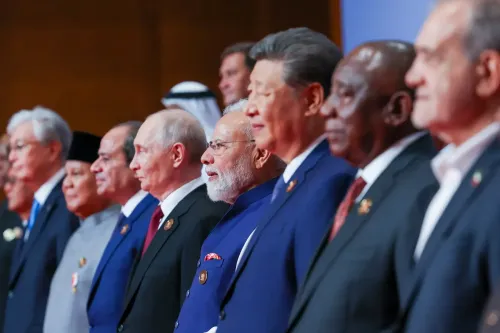
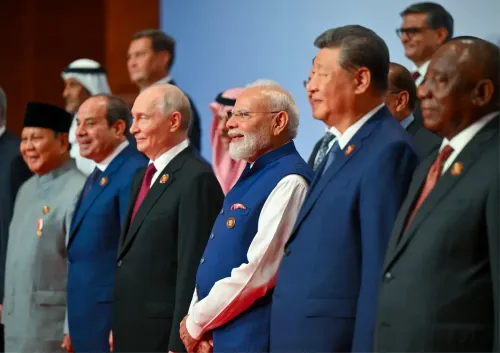
India hosted the 18th BRICS Summit under the theme 'Building for Resilience, Innovation, Cooperation and Sustainability', with cooperation across political-security, economic-financial, and cultural-people-to-people pillars at its core. The report notes that the summit brought renewed attention to BRICS's growing relevance among ASEAN nations, which have traditionally positioned themselves as a platform for small and middle powers emphasising consultation over coercion.
Filipino President Ferdinand Marcos Jr., attending as ASEAN Chair and an Outreach Country representative, said ASEAN nations would engage with BRICS on advancing peace, inclusive growth, sustainable development, and a rules-based international order. Notably, the Philippines is involved in a sovereignty dispute with China in the South China Sea, and the report suggests BRICS could offer Manila an additional diplomatic channel to broaden engagement while avoiding direct confrontation with Beijing.
Philippines and India: Defence and Strategic Ties
On the sidelines of the New Delhi summit, India and the Philippines held discussions on expanding their strategic partnership across defence, trade, space, and infrastructure. The Philippines had purchased the shore-based version of India's BrahMos anti-ship cruise missile in 2022, with deliveries of launch systems beginning in April 2024 — underscoring the growing defence dimension of bilateral ties.
Vietnam, Malaysia and Indonesia: Diverse Motivations
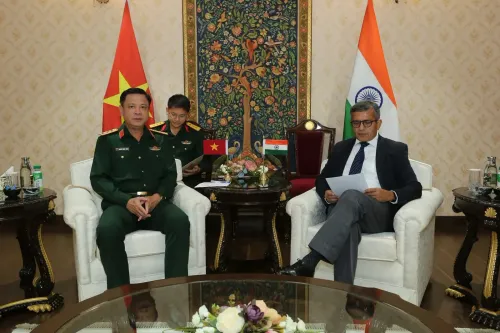
Vietnam, which became a BRICS partner country in 2025, sent Prime Minister Le Minh Hung to the New Delhi summit at Prime Minister Narendra Modi's invitation. According to the Vietnamese ambassador to India, Hanoi aims to use BRICS engagement to strengthen the voice of developing countries and diversify markets and partners, all while maintaining ties with China, the United States, Japan, and Europe. India and Vietnam also agreed to deepen defence and maritime cooperation on the summit's sidelines.
Malaysia, another BRICS partner state, views the grouping as a route to expand economic and diplomatic reach amid global uncertainty. The report highlighted that India is Malaysia's largest trading partner in Asia, with Indian companies holding 293 approved manufacturing projects in Malaysia worth US$2.95 billion as of June 2026, expected to create 28,455 jobs.
Indonesia, the sole ASEAN member of BRICS, regards the platform as a means to amplify the Global South's voice and promote more resilient global trade and supply chains.
India's Strategic Opportunity
The report argues that growing ASEAN interest in BRICS creates tangible opportunities for India to deepen economic and strategic ties with Southeast Asian economies. Crucially, it contends that India's active presence within BRICS could help ensure the platform remains a broad vehicle for Global South cooperation rather than becoming dominated by any single power — an implicit reference to China's growing weight in the grouping.
According to the report, India and ASEAN countries share an approach centred on strategic autonomy, diversification, and consultation. 'BRICS offers both India and Southeast Asia a platform to exercise their economic as well as strategic interests without conforming to a West vs rest binary, which thus attracts the ASEAN countries towards this non-Western association,' the report stated.
What This Means Going Forward
The convergence of ASEAN and BRICS interests points to a structural realignment in how mid-sized powers navigate great-power competition. With India holding the BRICS chairship and multiple ASEAN nations now formalising partner-country status, the next phase of BRICS expansion could see Southeast Asia emerge as its most consequential new constituency.
Frequently Asked Questions
Why are ASEAN countries showing interest in BRICS?
ASEAN nations are increasingly viewing BRICS as a platform to diversify economic and diplomatic partnerships and exercise strategic autonomy without aligning with a 'West vs rest' binary. The grouping is seen as offering developing nations a space to expand engagement with major emerging markets amid shifting global power dynamics.
What was the 18th BRICS Summit and where was it held?
The 18th BRICS Summit was held in New Delhi on 12–13 September 2026 under India's chairship, themed 'Building for Resilience, Innovation, Cooperation and Sustainability'. It brought together member states and several outreach countries, including ASEAN Chair the Philippines.
Which ASEAN countries are currently part of BRICS?
Indonesia is the sole full ASEAN member of BRICS. Vietnam and Malaysia are BRICS partner countries, with Vietnam formalising that status in 2025. The Philippines participated in the New Delhi summit as an Outreach Country under its ASEAN Chair role.
What is India's strategic interest in ASEAN engagement with BRICS?
According to the report, growing ASEAN interest in BRICS creates opportunities for India to deepen economic and strategic ties with Southeast Asian economies. India's presence is also seen as a counterbalance to ensure BRICS remains a broad Global South platform rather than being dominated by any single power.
How significant is the India–Philippines defence relationship discussed at the summit?
India and the Philippines discussed expanding their strategic partnership in defence, trade, space, and infrastructure on the summit's sidelines. The Philippines had purchased the shore-based BrahMos anti-ship cruise missile in 2022, with delivery of launch systems beginning in April 2024 — one of India's most significant recent defence exports.