Aurat March crackdown in Karachi labelled 'disgraceful assault' on democratic rights
Synopsis
For the eighth consecutive year, Aurat March organisers in Karachi faced state obstruction — this time escalating to the detention of activists, including dancer Sheema Kermani, outside the Karachi Press Club. Both Dawn and the HRCP have condemned the crackdown as a symptom of Pakistan's shrinking democratic space, exposing a sharp contradiction in the Sindh government's self-styled progressive identity.
Key Takeaways
Police in Karachi briefly detained Aurat March leaders, including activist Sheema Kermani , outside the Karachi Press Club on Tuesday .
Organisers faced NOC delays for the eighth consecutive year , with permission withheld until the last moment.
Leading Pakistani daily Dawn labelled the crackdown a "disgraceful assault" on democratic freedoms.
The Human Rights Commission of Pakistan (HRCP) called the arrests part of a "broader and deeply troubling pattern" of restricting public space.
Critics accused the Sindh ruling party of contradicting its invocation of Benazir Bhutto's democratic legacy.
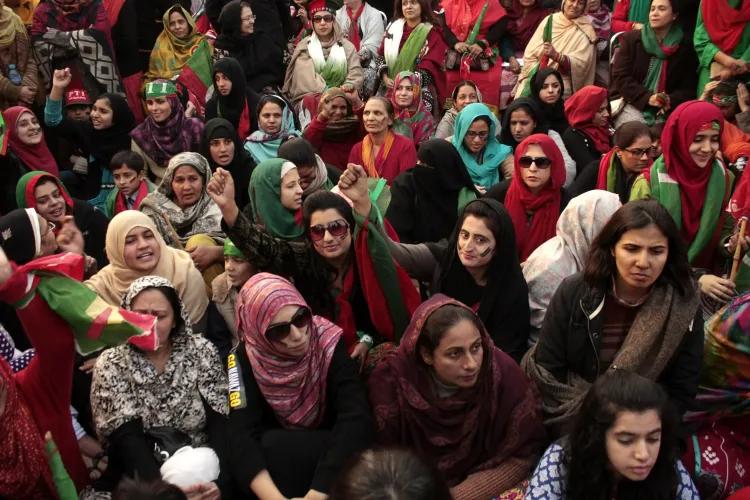
The Sindh government's handling of the Aurat March in Karachi has drawn sharp condemnation, with critics labelling it a "disgraceful assault" on democratic freedoms. The crackdown outside the Karachi Press Club — including the detention of activists attempting to hold a press conference — has been described not as law enforcement, but as the "suppression of peaceful civic activity."
What Happened Outside the Karachi Press Club
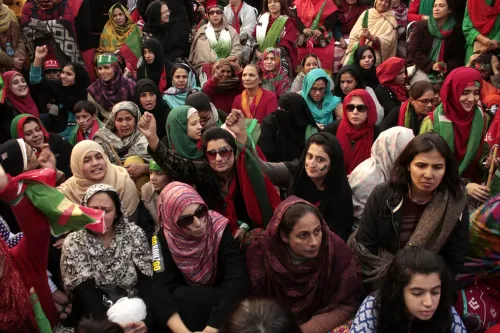
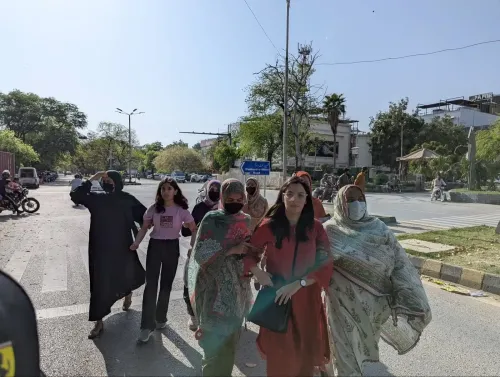
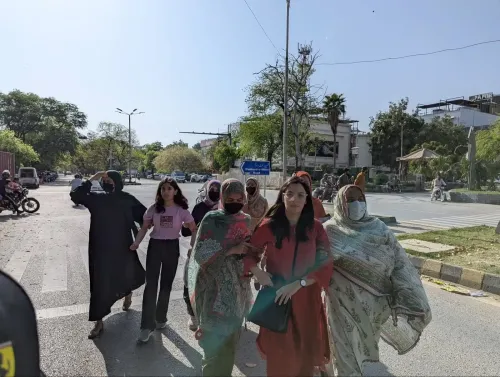
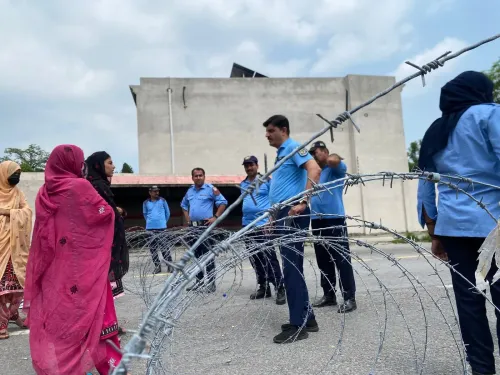
On Tuesday, police briefly arrested several Aurat March leaders and volunteers outside the Karachi Press Club, including veteran classical dancer and activist Sheema Kermani. The activists were reportedly dragged into police vans for attempting to hold a press conference — an act that critics argue falls well within constitutionally protected rights. Those detained were later released.
According to an editorial in leading Pakistani daily Dawn, Aurat March organisers faced delays and intimidation over the issuance of a No Objection Certificate (NOC) for their annual event for the eighth consecutive year. "Just days before the scheduled march, the authorities still had not granted permission," the newspaper noted, calling the sequence of events a deliberate tactic to frustrate organisers.
The Legal and Constitutional Debate
The editorial questioned under what law the government considered it illegal for organisers to address the media inside a press club. "Even under Section 144 restrictions, holding a press conference within the Karachi Press Club does not constitute unlawful assembly. Yet the police impeded access, detained activists — later released — and reportedly manhandled women demanding nothing more radical than constitutional rights," Dawn stated.
Critics have highlighted a recurring pattern surrounding Aurat March events — NOCs delayed until the last moment, confusion deliberately generated, and organisers made to feel that constitutional freedoms require prior state approval. This is the eighth year in a row that such obstacles have reportedly been placed before the march's organisers.
HRCP Condemns the Crackdown
The Human Rights Commission of Pakistan (HRCP) also condemned the arrests, stating that these are not isolated incidents but part of a "broader and deeply troubling pattern" of restricting public space in the country. "The rights to peaceful assembly and freedom of expression are constitutionally guaranteed. Preventing citizens, particularly women and marginalised groups, from even convening a press conference reflects an increasingly repressive approach to governance, where dissent is treated as a threat rather than a democratic necessity," the HRCP stated.
Political Contradictions Under the Spotlight
The Dawn editorial reserved particular criticism for the ruling party in Sindh, saying it was "especially shameful for a ruling party that endlessly invokes its progressive credentials and the democratic legacy of Benazir Bhutto." It argued that Sindh cannot claim to champion women in politics through speeches while suppressing their presence on the streets.
"The right to peaceful assembly and freedom of expression are constitutional guarantees. If the state now views even a women-led press conference as something to be feared, what does that say about the shrinking space for dissent in Pakistan's democracy?" the newspaper questioned.
What This Signals
The back-to-back condemnations from Dawn and the HRCP reflect growing concern over civil liberties in Pakistan, particularly for women-led movements. With the Aurat March now in its eighth year of facing institutional resistance, observers say the pattern points to a structural — not incidental — narrowing of democratic space. How the Sindh government responds to this scrutiny is likely to shape the political discourse around women's rights and civic freedoms in the country in the months ahead.
Point of View
Making the optics not just uncomfortable but politically self-defeating. The shrinking of civic space for women-led movements in Pakistan deserves far more sustained international scrutiny than it currently receives.
NationPress
22 Sept 2026
Frequently Asked Questions
What is the Aurat March and why was it in the news?
The Aurat March is an annual women's rights march held across Pakistani cities. It was in the news after Sindh police detained activists, including Sheema Kermani, outside the Karachi Press Club on Tuesday while they attempted to hold a press conference ahead of the march.
Who is Sheema Kermani?
Sheema Kermani is a veteran classical dancer and prominent activist in Pakistan who was among those briefly detained by police outside the Karachi Press Club during the Aurat March crackdown. She has been a long-standing voice for women's and cultural rights in the country.
What did the HRCP say about the Aurat March arrests?
The Human Rights Commission of Pakistan (HRCP) condemned the arrests, calling them part of a 'broader and deeply troubling pattern' of restricting public space. It stated that preventing citizens, particularly women, from convening a press conference reflects an increasingly repressive approach to governance.
Why is the Sindh government being singled out for criticism?
The Sindh government is under scrutiny because it is the ruling authority in Karachi and has been accused of delaying NOC approvals for Aurat March for eight consecutive years. Critics argue this is especially contradictory for a party that invokes progressive credentials and the legacy of Benazir Bhutto.
Is detaining activists outside a press club legal under Pakistani law?
According to Dawn's editorial, even under Section 144 restrictions, holding a press conference within the Karachi Press Club does not constitute unlawful assembly, making the detentions legally questionable. The HRCP also affirmed that peaceful assembly and freedom of expression are constitutionally guaranteed rights in Pakistan.